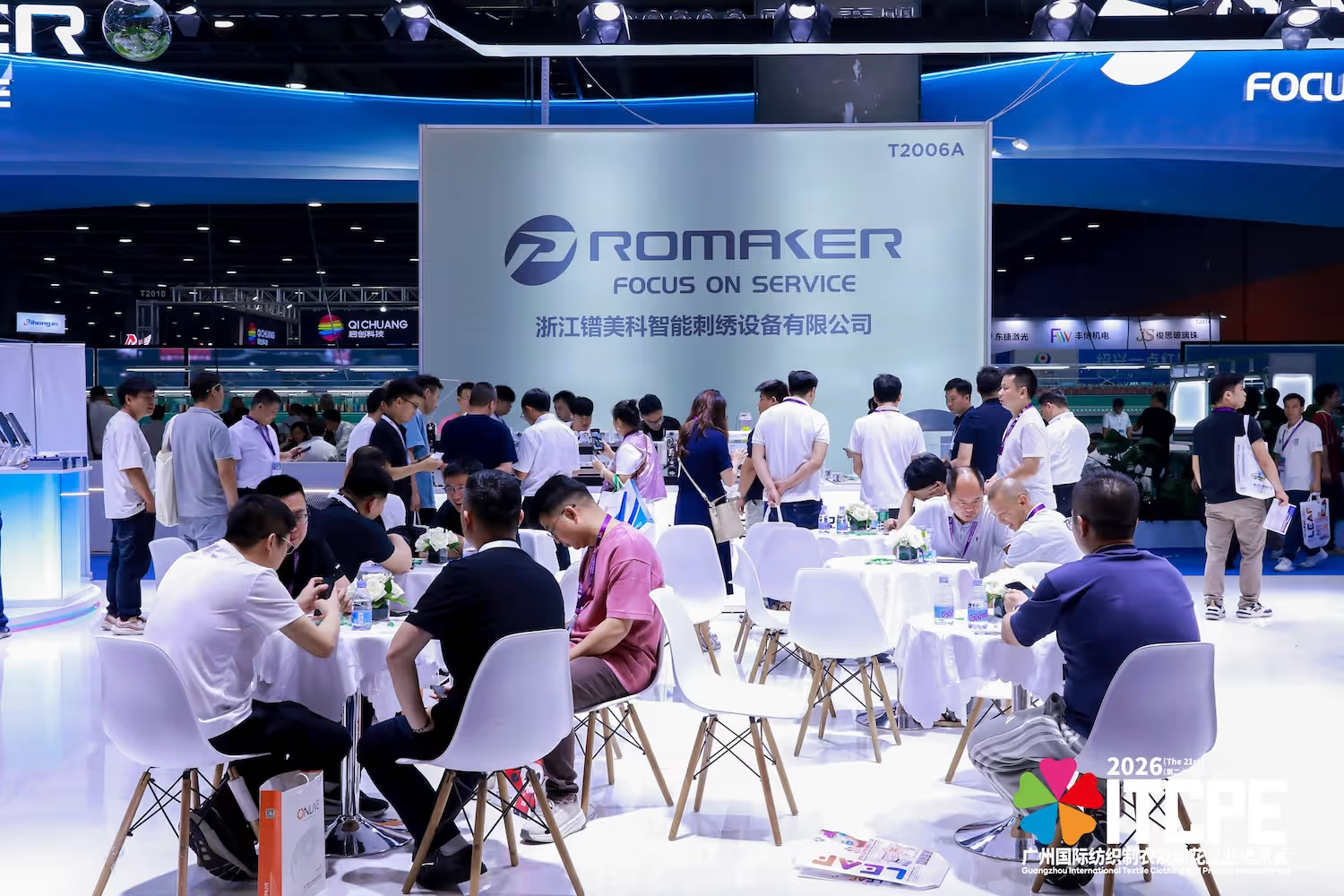
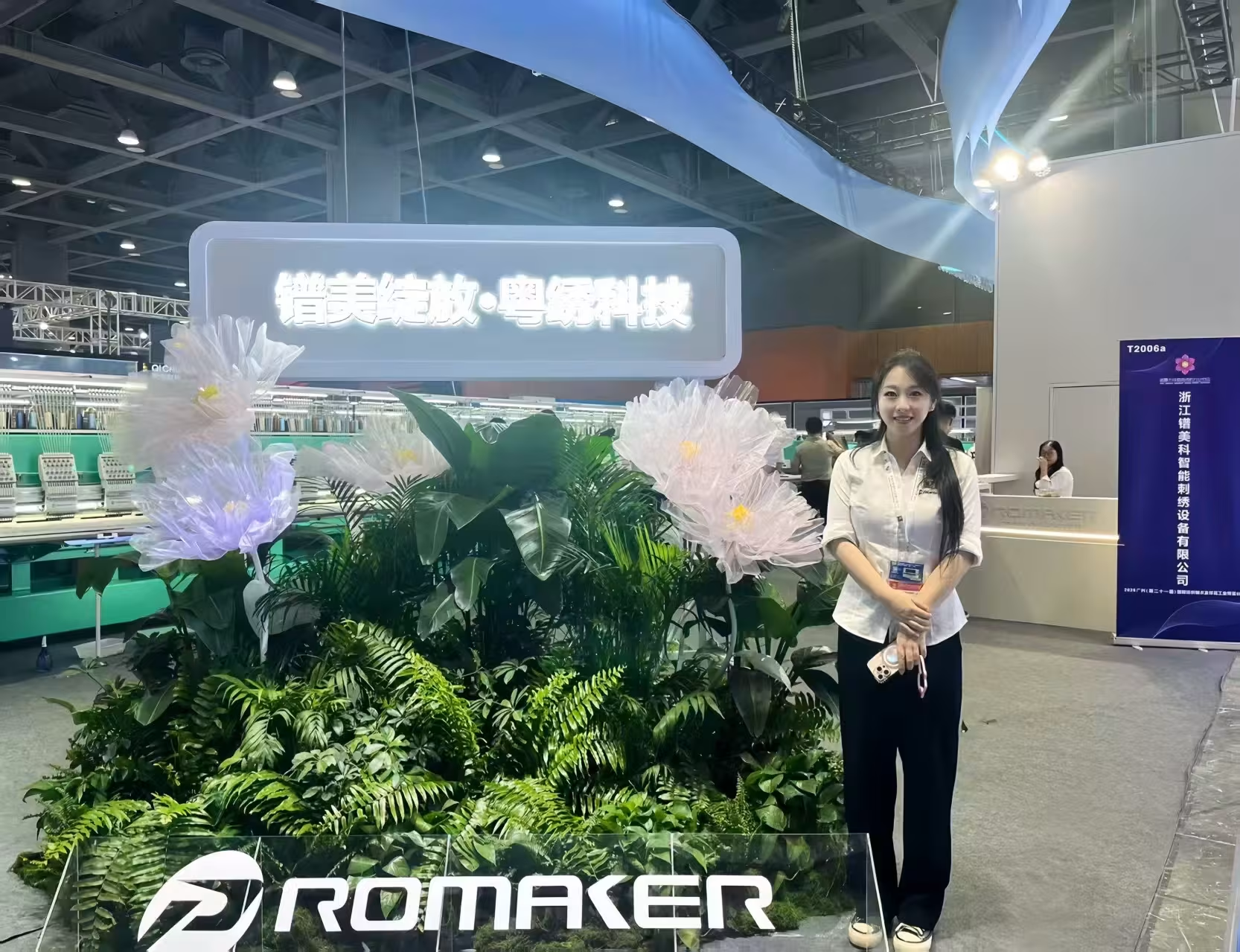
During my visit to ITCPE 2026 in Guangzhou, I had the opportunity to interview Ms. Stephanie Gu, Sales Manager of ZHEJIANG PROMAKER INTELLIGENT EMBROIDERY EQUIPMENT CO LTD, one of the active Chinese companies participating in this year’s exhibition. Our discussion provided valuable insights into the current transformation of the embroidery machinery sector, particularly in the areas of intelligent automation, AI-based positioning systems, and the future direction of global embroidery production.
As Editor of Kohan Textile Journal, I found the conversation especially informative because it reflected how Chinese embroidery machinery manufacturers are increasingly moving beyond traditional manufacturing and investing heavily in smart technologies, automation, and global market expansion. Ms. Gu also shared detailed perspectives about the growing importance of Middle Eastern and African markets, which are becoming major strategic targets for Chinese textile machinery companies.
In this interview, she explains PROMAKER’s latest intelligent embroidery technologies showcased at ITCPE 2026, discusses the company’s competitive advantages, and shares her views on the biggest transformations currently shaping the global textile and apparel industry.
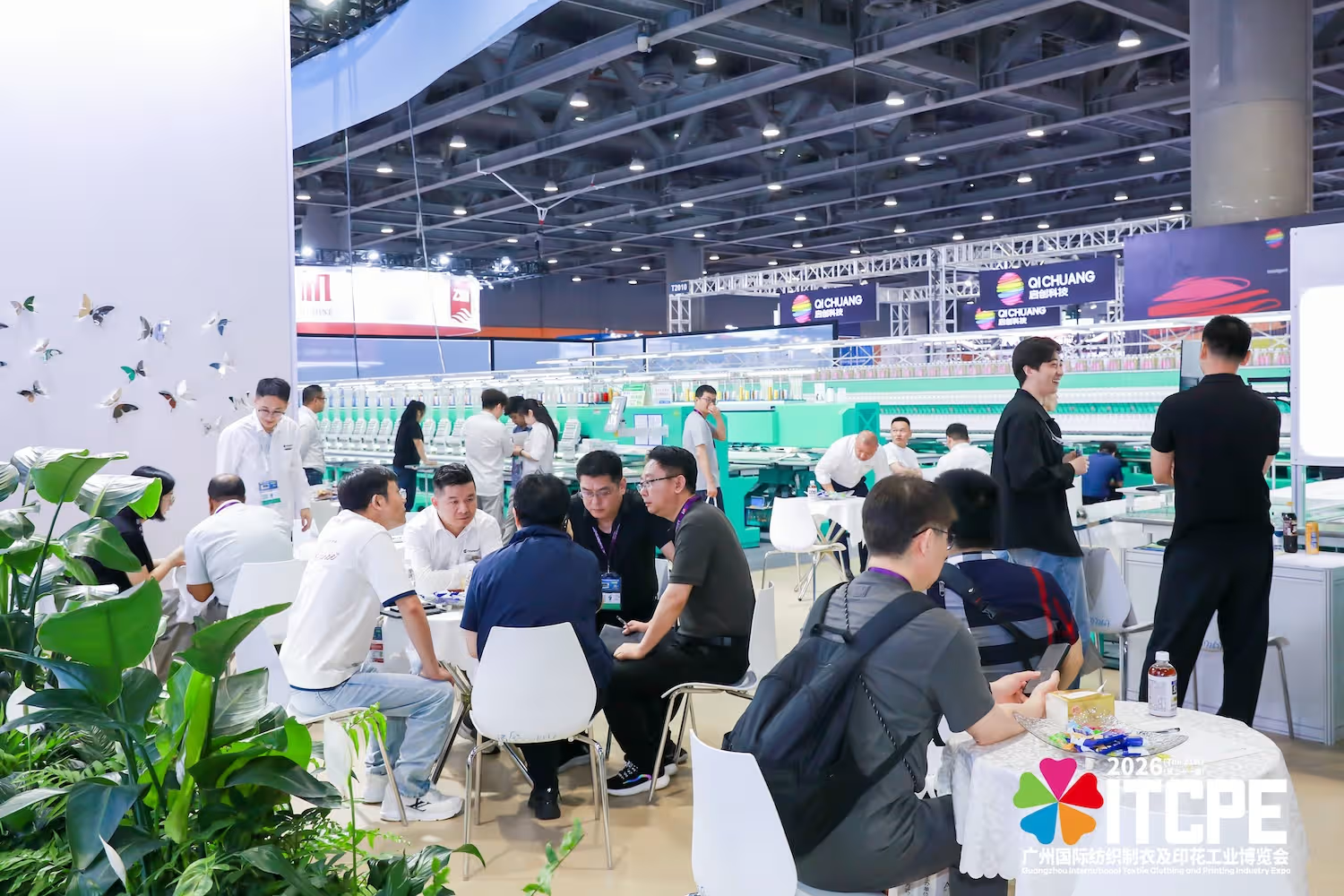
1. Could you please introduce the latest technologies and products your company displays at this exhibition?
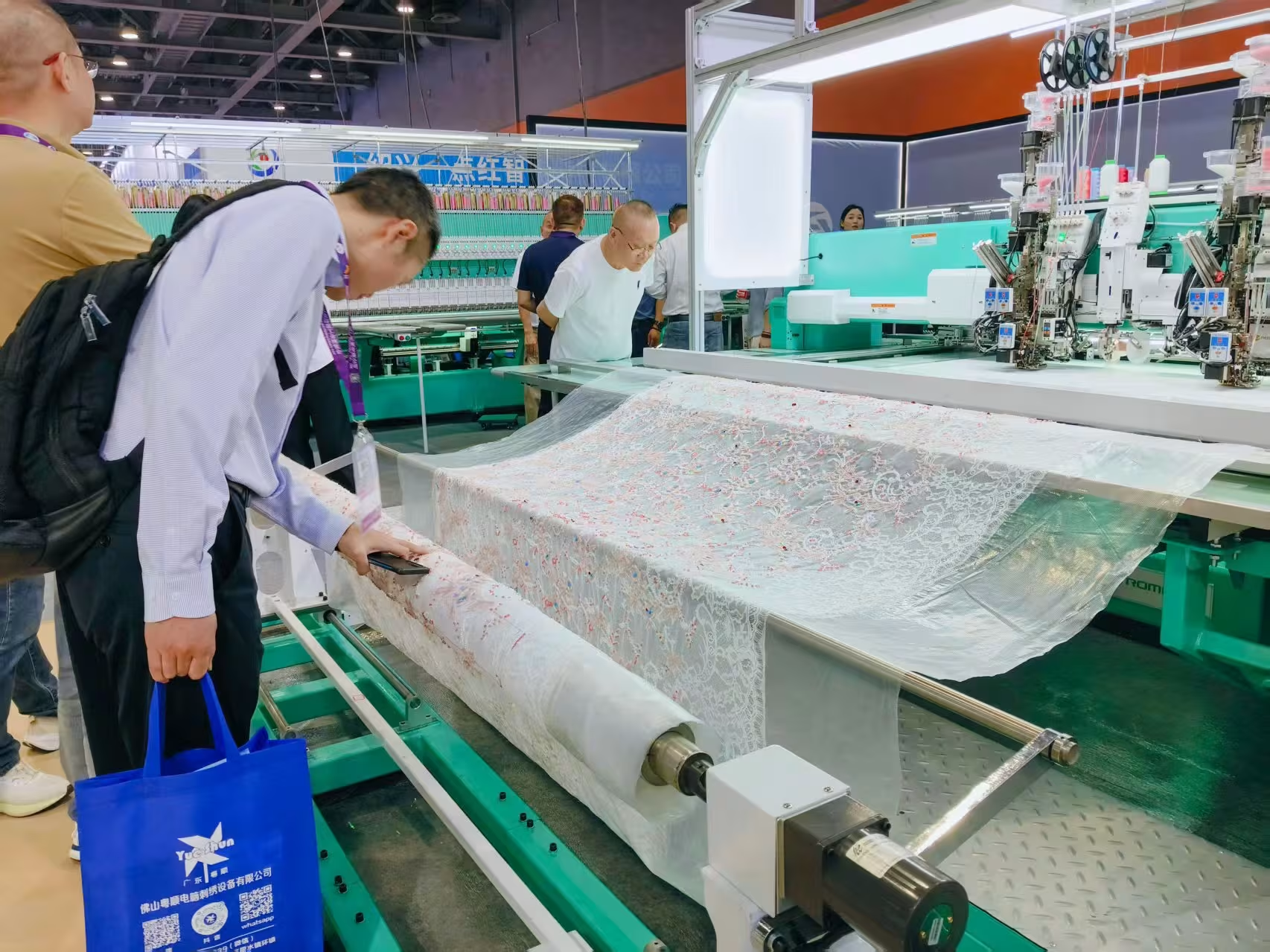
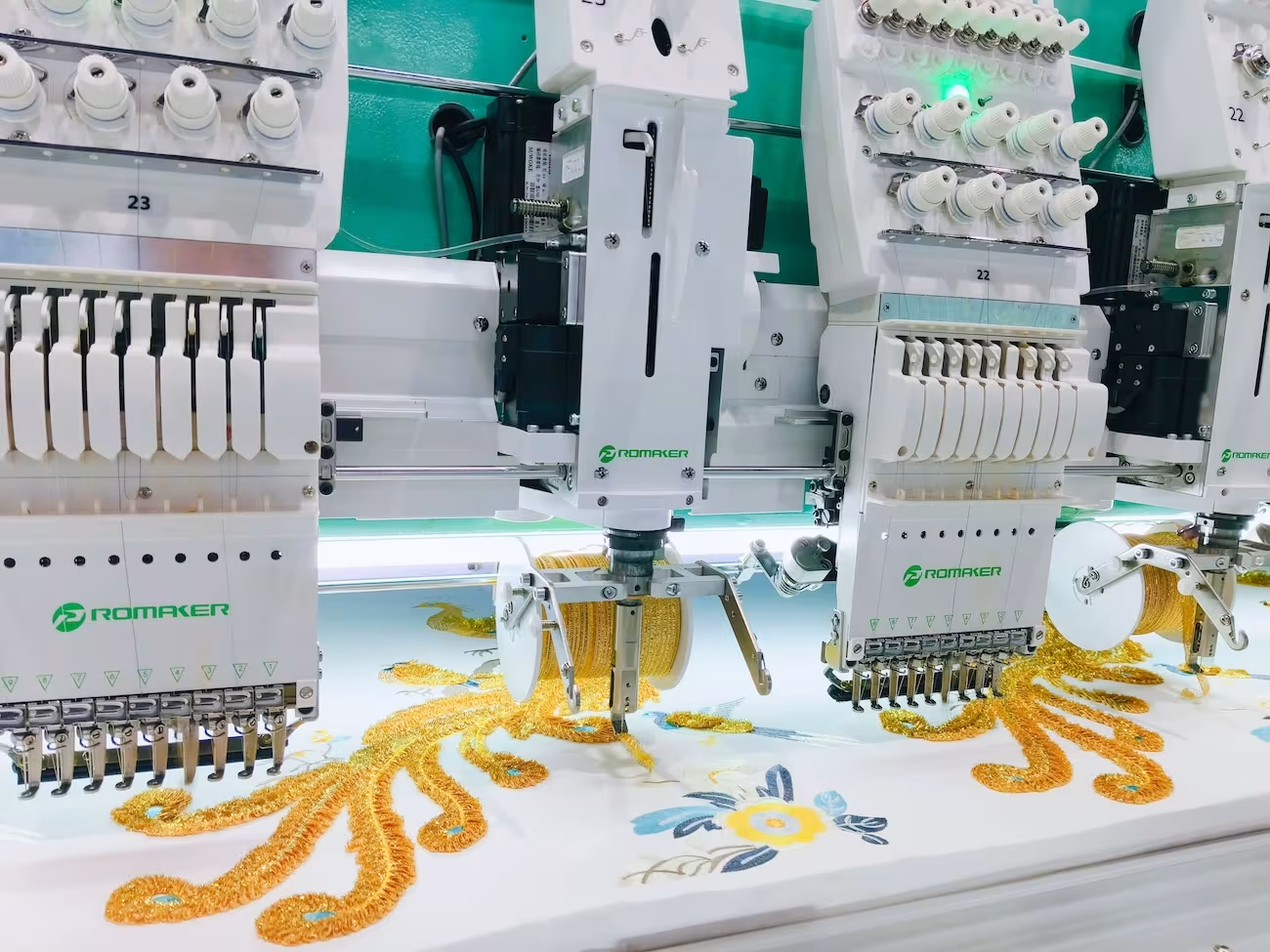
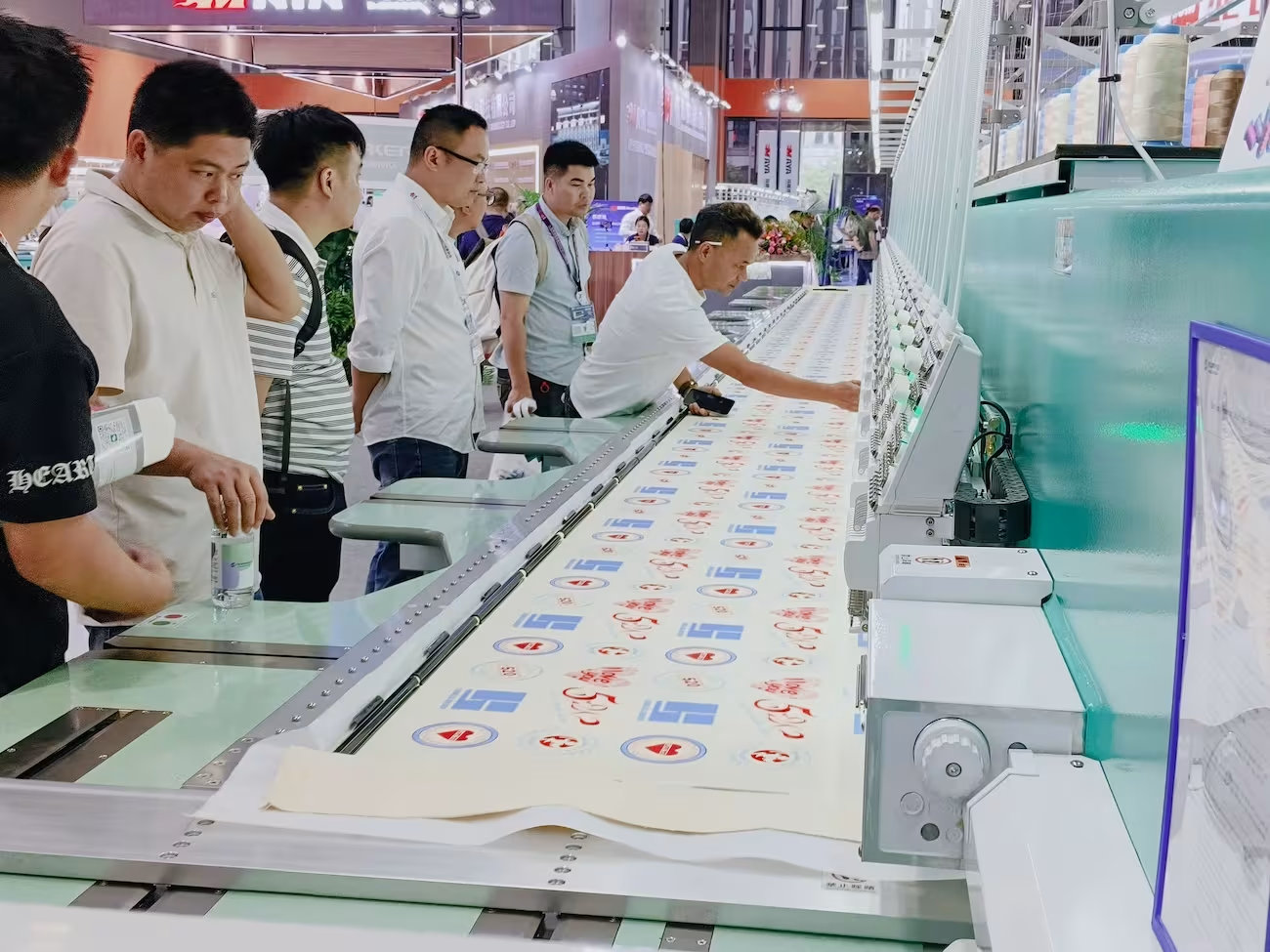
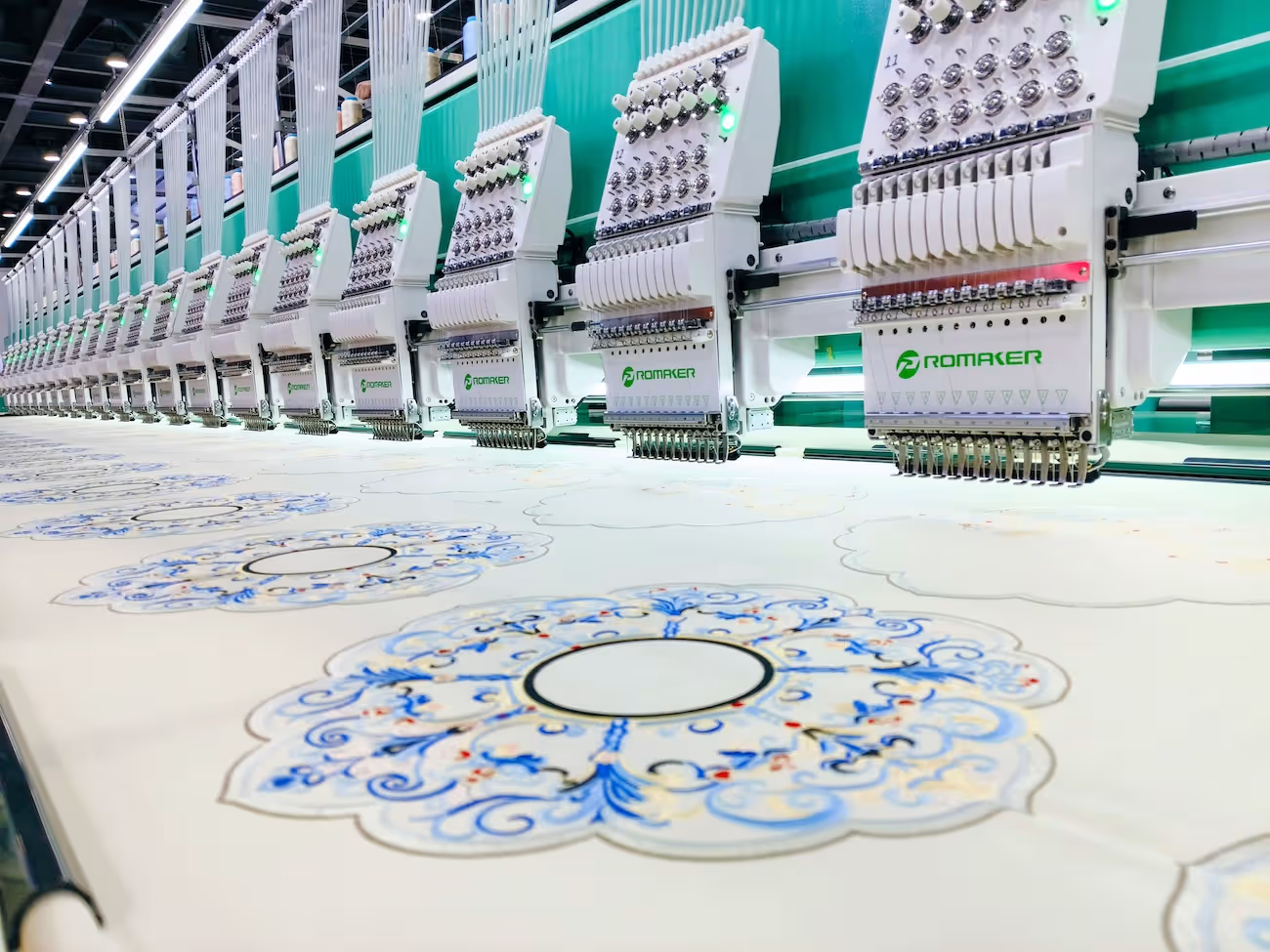
As a national-level specialized, sophisticated, unique and innovative enterprise focusing on intelligent embroidery, our newly developed intelligent high-precision positioning embroidery machine is designed to solve industrial pain points including inaccurate positioning, low efficiency and large deviation between printing and embroidery on printed fabrics.
- AI Visual Automatic Positioning
Equipped with high-definition cameras and AI algorithms, it automatically identifies patterns and positioning marks on printed fabrics with positioning accuracy up to 1mm. Manual fine positioning can be easily completed on the control panel to correct deviations according to pattern complexity and fabric irregularity. - Perfect Integration of Printing and Embroidery
One-time positioning realizes matched printing and embroidery, effectively eliminating misalignment, ghosting and fabric distortion, ideal for fashion apparel, garments, home textiles and high-grade fabrics. - High Speed & Stable Operation
Max running speed reaches 1200 RPM, maintaining low error rate during long-term continuous operation. - Near Full Automation
Built-in automatic thread trimming, automatic feeding, automatic frame clamping, fabric tensioning and automatic material collecting functions greatly reduce labor dependence. - Wide Compatibility
Supports positioning embroidery for flat embroidery, sequin embroidery, bead embroidery and tape embroidery for diversified production demands.
2. In the fierce market competition nowadays, what core advantages does your company have over peers?
Our company is located in Zhuji City, Zhejiang Province, China, home to the largest embroidery machine industrial cluster. We specialize in manufacturing a full range of intelligent computerized embroidery machines.
Our primary core strength lies in independent R&D and patented core technologies. We self-develop intelligent electronic control systems and servo direct-drive embroidery technology. Our machines feature more stable operation, higher speed and lower noise. Equipped with intelligent adaptive embroidery function, they can achieve precise embroidery on all kinds of fabrics and greatly reduce defective product rate.
In terms of products, we realize multi-process integration. A single machine supports various embroidery techniques. We have a complete product lineup covering small customized machines to large mass-production models. Custom modification is available to meet diverse domestic and overseas order demands.
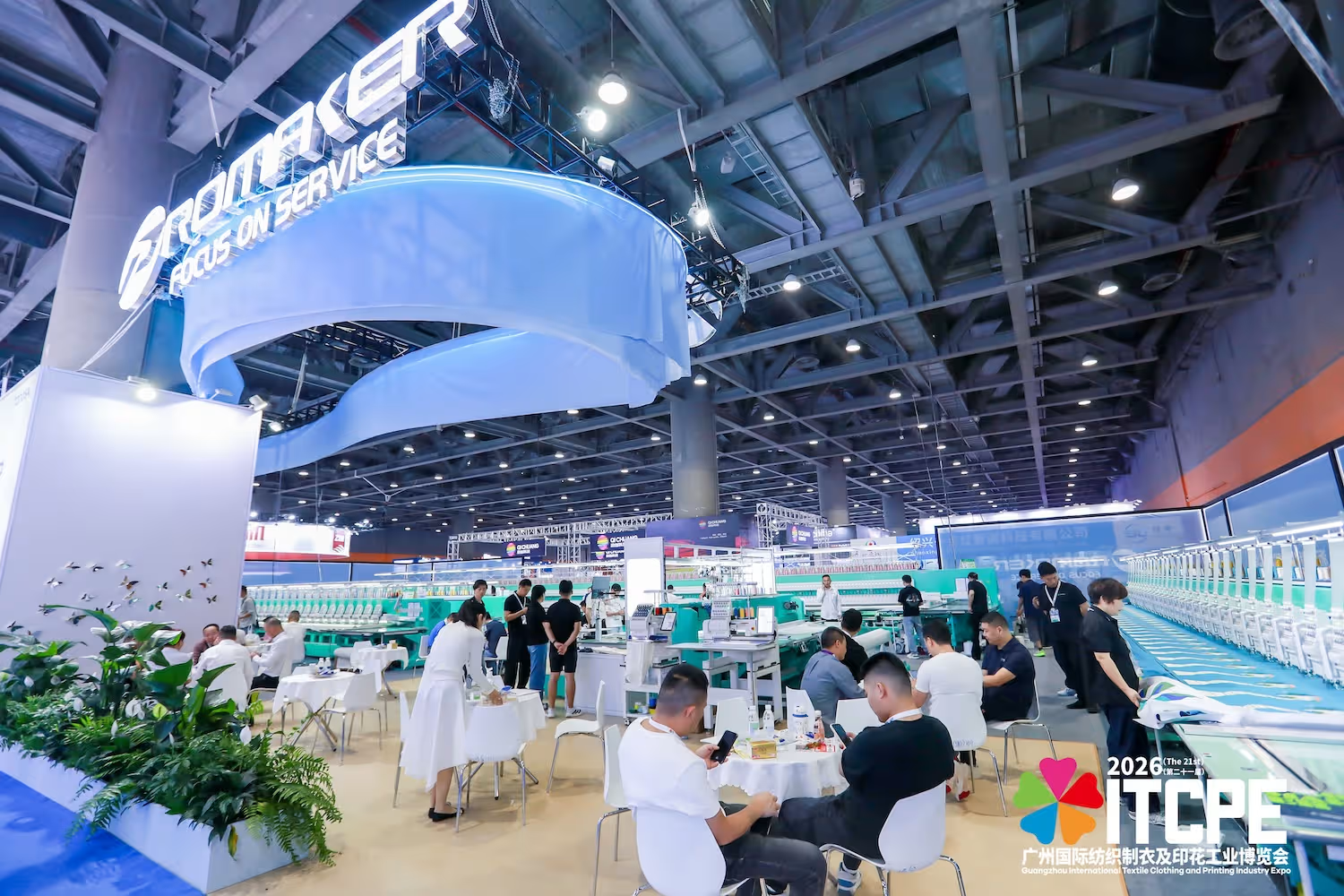
Adopting reinforced sturdy frames and precision-made core components, our machines boast outstanding durability. Strict full inspection is conducted before delivery, with service life reaching over ten years, far superior to ordinary equipment. Energy-saving design also helps clients cut production costs.
As a direct manufacturer, we offer more cost-effective products with identical quality, plus affordable and universal spare parts for easy later maintenance.
Our overseas agents provide on-site installation and operational training. We have established a comprehensive after-sales service system with faster response and superior warranty & technical support exceeding industrial standards.
In supply chain layout, we are deeply engaged in the textile & embroidery industrial chain. With self-owned production bases, we strictly control product quality and delivery schedule throughout the whole process, ensuring sufficient stock, fast shipment and stable bulk supply. We keep launching upgraded new products to help clients boost production efficiency and secure steady orders.
In short, we deliver better cost performance than high-end brands and more reliable quality than low-end brands. With leading independent technologies, complete machine models, flexible customization and worry-free after-sales service, we are a leading brand for cost-effective mass production in the embroidery industry.
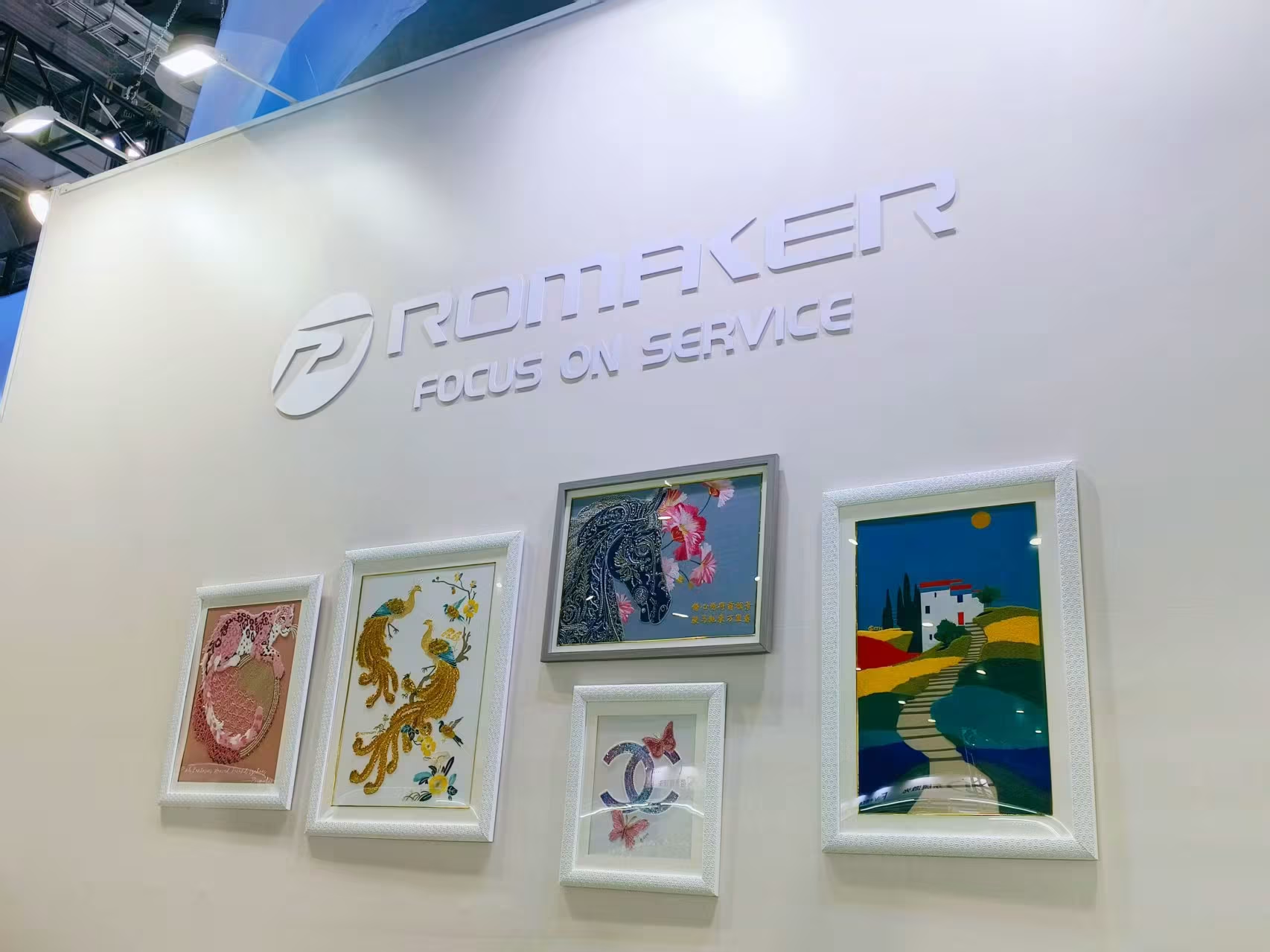
3. How important are markets such as the Middle East and Africa to your company’s future development layout? What is their particular value for domestic Chinese enterprises?
For Chinese textile machinery manufacturers, the Middle East and Africa are the most strategically vital emerging markets in the next decade. They serve as core hubs for overseas capacity layout, brand upgrading, easing domestic market competition and building a second business growth curve. For our company’s development in the next 3 to 5 years, these two regions are pivotal strategic markets that determine our global business expansion.
Firstly, both markets feature huge potential, rapid growth and prominent market demand gaps. The Middle East enjoys strong purchasing power while lacking local manufacturing capacity, with 80% of its textiles relying on imports. Africa benefits from massive demographic dividends and accelerating textile industry upgrading, yet most local factories still use outdated equipment with low automation level. There is surging demand for stable, durable and cost-effective intelligent embroidery machines, which perfectly matches our product advantages.
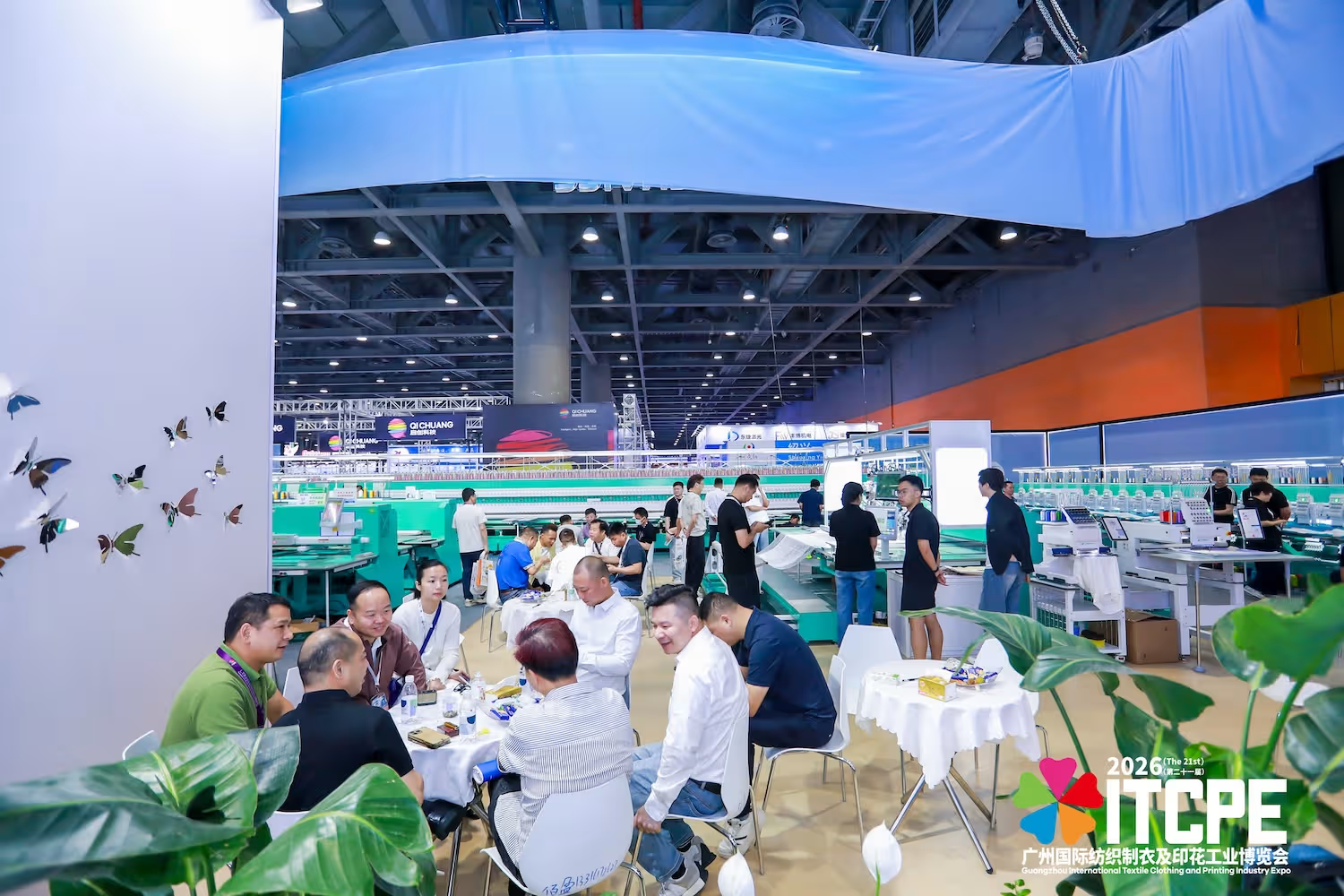
Secondly, our products and complete supply chain system are highly tailored to local market needs. We own over 100 independent research and development patents. Our embroidery machines are resistant to extreme temperatures, adaptable to unstable local voltage, easy to operate and support multiple embroidery processes, fully fitting local factory working conditions. We also support multi-language system and international standard voltage, and can provide complete customs clearance documents, stable sea transportation and full spare parts supply. We have established local agents “ALWAN”in the UAE, Egypt, Saudi Arabia and other regions to deliver one-stop overseas services.
Thirdly, they act as key fulcrums for global layout. The Middle East functions as a trade hub covering West Asia and North Africa, while Africa stands as a super emerging market boosted by the African Continental Free Trade Area. In-depth development in these regions enables us to build a genuine global brand, reduce over-reliance on traditional markets like India and Pakistan, and optimize revenue structure with stronger risk resistance capability.
Fourthly, it helps seize long-term industrial dividends in the next decade. Both regions are in the golden period of industrial upgrading and automated equipment replacement. By expanding sales channels, improving service networks and cooperating with local partners, we are firmly securing long-term market growth momentum.
In conclusion, To PROMAKER EMBEOIDERY, the Middle East and Africa are not optional markets, but indispensable core strategic territories, We will keep increasing investment to achieve win-win cooperation with local partners and make these regions the primary driving force of our overseas business growth.
4. In your opinion, what are the biggest transformations taking place in the global textile and apparel industry currently?
I believe the global textile and apparel sector is undergoing five disruptive transformations that are reshaping the entire industrial landscape.
Firstly, the global supply chain is undergoing comprehensive restructuring. Nearshoring and friend-shoring have become mainstream trends, leading to continuous order diversion and forming a tripartite industrial pattern. Large bulk orders are shrinking, while small-batch and quick-response orders are prevailing, greatly shortening delivery cycles.
Secondly, intelligent automation has reached a turning point. AI technology and humanoid robots are widely applied throughout design, production and quality inspection processes. Unmanned factories are being rapidly built, and flexible production has become the industry standard.
Thirdly, eco-friendly production has become a mandatory threshold. The EU Carbon Border Adjustment Mechanism and relevant environmental bans have been officially implemented. Recycled eco-friendly fabrics are widely adopted, and green certifications have become essential qualifications for exporting to European and American markets.
Fourthly, market competition has been fully upgraded. The industry is phasing out cut-throat price competition and shifting towards value-based competition focusing on quality, functionality and service. The market demand for functional fabrics keeps rising steadily.
Fifthly, international trade barriers are escalating. Tariff policies have been adjusted in many regions, and the traditional low-cost advantage is gradually fading, pushing the whole industry into a standardized and compliance-oriented development stage.
Overall, the industry competition has shifted from simple cost competition to all-round competition in technology, environmental protection, production efficiency and global market layout. This also brings tremendous opportunities for embroidery machinery manufacturers like us to achieve industrial upgrading and further explore emerging markets including the Middle East and Africa.