
With more than six decades of industrial experience, 11 production sites and a growing portfolio of technical textiles, Richbond Industry is demonstrating how Morocco’s manufacturing sector is moving beyond conventional textile products into higher-value industrial applications.
Casablanca, Morocco — November 2026 | Kohan Textile Journal
Morocco’s textile industry is increasingly associated with more than garment manufacturing and fashion exports. Technical textiles, industrial materials, automotive components and specialized fabrics are becoming important areas of industrial diversification.
One Moroccan company illustrating this development is Richbond Industry, the business-to-business division of Richbond Group, one of the country’s established industrial manufacturers.
With activities covering synthetic yarns, mattress fabrics, upholstery textiles, industrial protection materials and specialized fabrics for automotive and other applications, Richbond Industry represents an example of vertical integration within Morocco’s manufacturing economy.
According to the company’s corporate information, Richbond Group has more than 60 years of industrial experience, operates 11 production sites, including facilities in Côte d’Ivoire and Kenya, and employs more than 3,000 people directly while supporting approximately 5,400 indirect jobs.
The group reports consolidated revenue of approximately MAD 2.2 billion and has outlined plans for two integrated industrial parks near Casablanca, representing a total investment of MAD 756 million.
These figures illustrate the industrial scale behind a company whose activities extend well beyond its traditional position in Morocco’s furniture and bedding market.
Read more: Morocco Textile Manufacturing: Regions, Capabilities & Production Models
From a Moroccan Manufacturing Business to an Industrial Group
Richbond Group’s industrial origins date back to 1960, when Abdelaziz Tazi established Atlas Plastics, a manufacturing operation specializing in plastic products.
Richbond SA followed in 1965, and over subsequent decades the business expanded through vertical integration, incorporating activities such as spinning, weaving, polyurethane foam production and mattress manufacturing.
This development established the foundations of a diversified manufacturing group with interests extending into furniture, bedding, industrial materials and other sectors.
Today, Richbond Industry serves as the group’s specialized B2B division, developing technical materials for manufacturers operating in automotive, aerospace, construction, upholstery, packaging, logistics and other industrial markets.
Rather than focusing exclusively on finished consumer products, the division supplies materials and components that other manufacturers integrate into their production processes.
This distinction is important in understanding Richbond’s industrial strategy: the company participates not only in the final-product market but also in the upstream supply chains supporting different manufacturing sectors.
Technical Textiles: A Diversified Industrial Portfolio
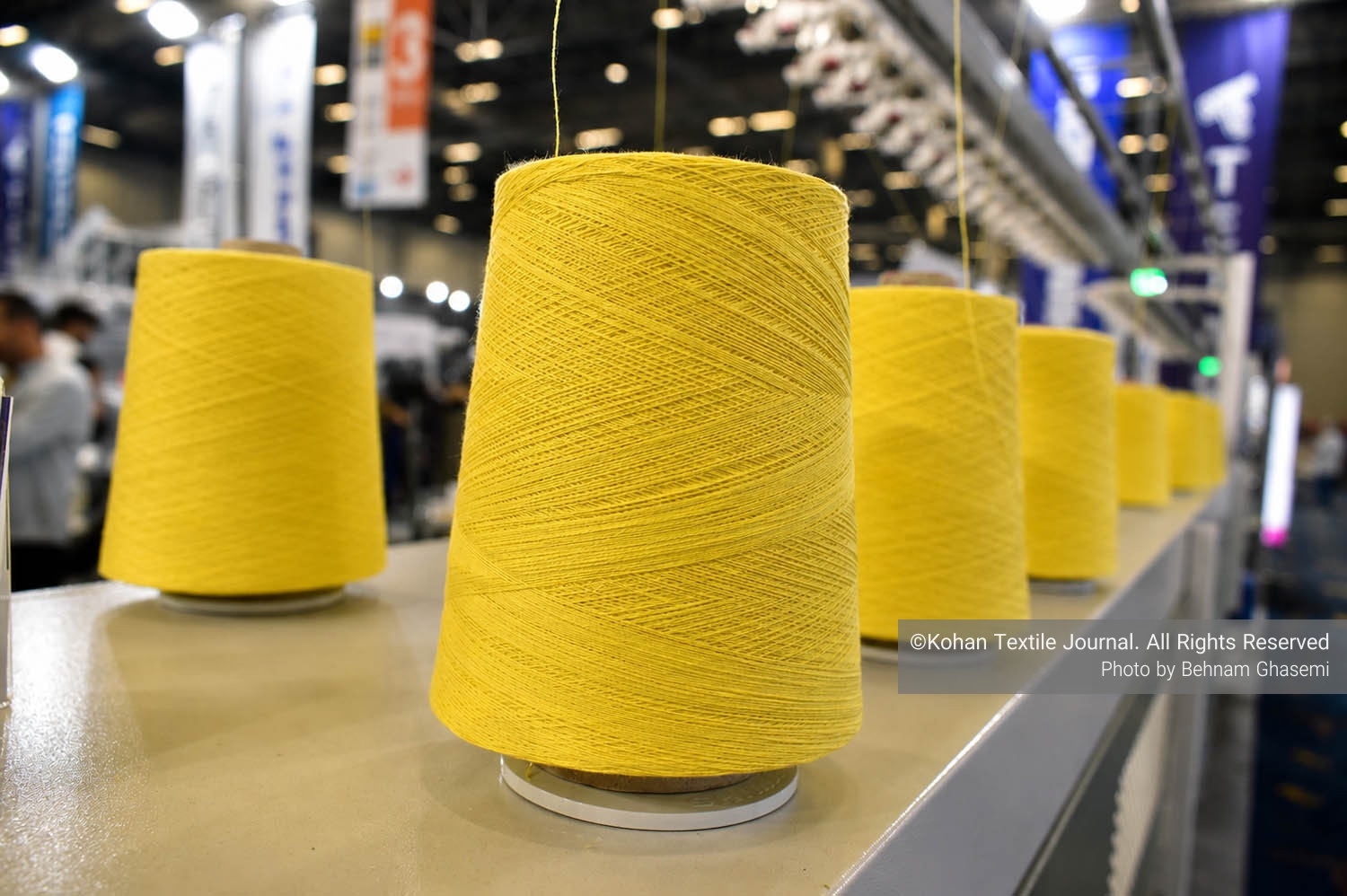
One of Richbond Industry’s main areas of specialization is technical textiles.
The company’s portfolio covers synthetic yarns and fabrics designed to provide particular mechanical, functional and aesthetic properties.
Its textile solutions include polypropylene yarns, mattress ticking, stretch fabrics, automotive textiles, industrial workwear fabrics, outdoor textiles and materials for tents, awnings and protective covers.
The company also supplies textile solutions for furniture and upholstery manufacturers.
1. Mattress Ticking and Jacquard Fabrics
Mattress fabrics remain an important component of Richbond’s textile activities.
The company’s jacquard fabrics are developed for applications such as mattresses, banquettes and bed surrounds.
According to its technical catalogue, these materials are designed to combine softness, breathability, durability and visual customization.
Jacquard technology enables manufacturers to incorporate decorative patterns directly into the fabric structure, creating additional design possibilities for bedding producers.
The combination of aesthetics and functional performance is particularly relevant to mattress manufacturers seeking product differentiation in competitive markets.
2. Stretch Fabrics for Bedding and Upholstery
Richbond Industry also offers stretch fabrics developed for mattresses, banquettes and bed surrounds.
These textiles are designed to provide flexibility, softness and adaptability to different product shapes.
The company emphasizes comfort and durability, while offering customization options to accommodate manufacturers’ requirements.
For bedding manufacturers, stretch fabrics can contribute to the fit and appearance of mattress covers and other upholstered products.
3. Automotive Textiles
Automotive textiles represent another area of Richbond Industry’s product portfolio.
The company offers laminated fabrics intended for vehicle seating applications, including seat covers, armrests and headrests.
According to its product documentation, these fabrics are designed with properties such as:
- Water resistance
- Stain resistance
- UV resistance
- Durability and ease of maintenance
The availability of different textures and colors provides automotive interior manufacturers with additional design options.
Automotive applications typically require careful control of textile properties, particularly resistance to abrasion, dimensional stability and long-term performance.
Richbond’s presence in this segment illustrates the increasing overlap between conventional textile manufacturing and specialized industrial supply chains.
Industrial Workwear Fabrics: Combining Durability and Comfort
Another important segment is technical fabric for workwear.
Richbond Industry develops textiles intended for professional clothing used in industrial, commercial and other demanding environments.
The company identifies resistance to wear, tearing and abrasion as important product characteristics.
Its workwear fabrics are also designed to provide breathability, comfort and freedom of movement during extended periods of use.
Different fabric weights and colors allow manufacturers to produce work trousers, jackets, overalls and other professional garments.
Workwear is an attractive segment for technical textile producers because purchasing decisions often depend on measurable functional properties rather than fashion characteristics alone.
Durability, comfort, maintenance requirements and consistency of supply are particularly relevant for manufacturers supplying professional clothing markets.
Industrial Fabrics for Tents, Awnings and Protective Covers
Richbond Industry also develops fabrics for outdoor and protective applications.
Its catalogue includes textiles for tents, awnings, tarpaulins and other covering systems.
These products are intended to provide resistance to demanding environmental conditions, including exposure to weather and sunlight.
The company highlights mechanical strength, water resistance, durability and ease of maintenance among the desired characteristics of these materials.
Applications extend from temporary outdoor structures and festival tents to protective coverings used in industrial environments.
For manufacturers of outdoor textile products, the ability to combine resistance, flexibility and appropriate finishing characteristics is essential.
The company’s product range also includes fabrics for bags and accessories, particularly materials requiring strength and abrasion resistance.
Polypropylene Yarns and Synthetic Textile Materials
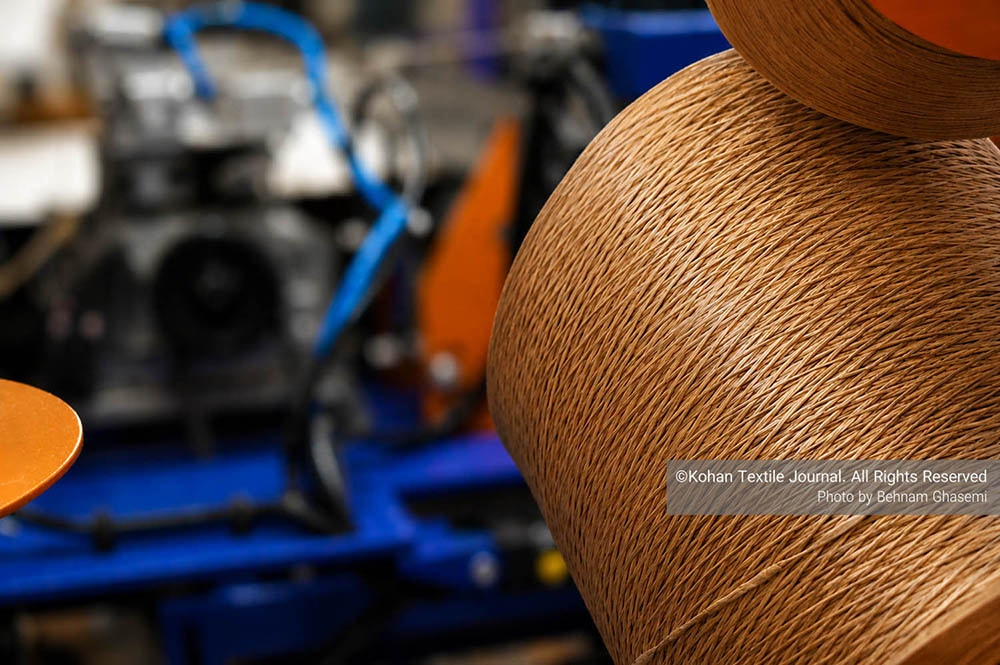
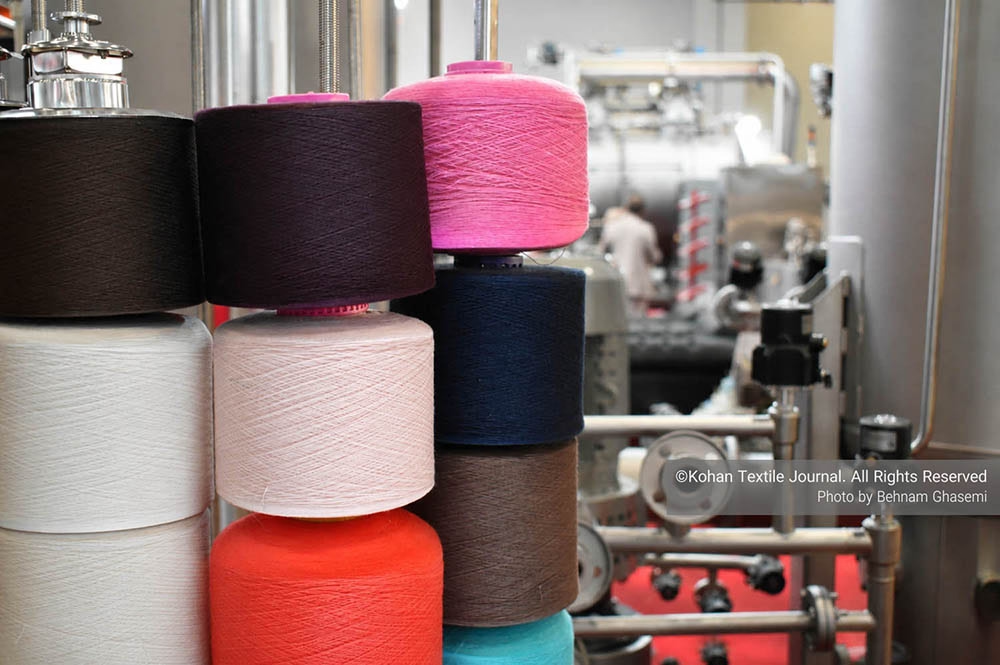
In addition to finished fabrics, Richbond Industry produces synthetic yarns for various manufacturing applications.
Its polypropylene yarn portfolio includes products intended for weaving, automotive uses and technical applications.
Polypropylene is widely used in industrial textiles because of its relatively low density, moisture resistance and suitability for different manufacturing processes.
Richbond’s ability to combine yarn production with fabric manufacturing gives the company greater control over selected stages of its textile supply chain.
According to information published on the Richbond Industry website, its textile operations include extrusion, weaving or knitting, finishing, quality control and packaging.
The company reports annual synthetic yarn production capacity of approximately 1,000 tonnes, alongside fabric and knitted textile production measured in millions of metres.
This integrated production approach can help industrial customers coordinate specifications and sourcing requirements across different manufacturing stages.
Beyond Fabrics: Protection Materials and Industrial Filling Solutions
Richbond Industry’s technical capabilities are not limited to yarn and fabric manufacturing.
The company organizes its industrial offering into three principal areas: protection solutions, textiles and filling materials.
Its protection products include industrial underlays, sealing components, high-density foams and thermal and acoustic insulation materials.
These materials serve industries such as automotive manufacturing, construction and industrial packaging.
Its filling solutions include high-resilience polyurethane foam and bonded foam products used in upholstery, seating and related applications.
This combination of textile and non-textile materials is particularly relevant for manufacturers that require several functional components within the same finished product.
For example, seating and upholstery manufacturers may require fabric, foam, backing materials and other components with compatible performance characteristics.
Richbond’s diversified product portfolio positions it to address several of these requirements within a broader industrial offering.

Vertical Integration as a Competitive Advantage
One of the most significant characteristics of Richbond Group is its vertically integrated manufacturing model.
Vertical integration allows a company to manage several stages of production rather than depending entirely on external suppliers for every component.
For Richbond Industry, this includes activities ranging from synthetic yarn processing to fabric production and selected finishing operations.
The company also emphasizes integrated research capabilities, technical expertise and customized material development.
From an industrial perspective, vertical integration can provide advantages in production coordination, quality control and responsiveness to customer specifications.
However, these advantages depend on efficient factory management, continuous investment and the ability to maintain competitive production costs.
Richbond identifies operational improvement and industrial modernization as central elements of its development strategy.
Investment in New Industrial Parks Near Casablanca
Richbond Group has outlined plans to develop two integrated industrial parks on the outskirts of Casablanca.
According to the company’s published information, the planned investment amounts to approximately MAD 756 million.
The initiative is intended to improve industrial organization, competitiveness and operational responsiveness.
The group also reports annual investment of approximately MAD 108 million.
For Morocco’s industrial sector, investment in integrated production facilities can be significant because it supports manufacturing efficiency and closer coordination between different industrial activities.
It can also provide a foundation for future product development and expansion into more technically demanding markets.
The company’s published materials describe these parks as development projects; their current construction and operational status has not been independently established.
Quality Management and Manufacturing Innovation
Quality management is particularly important in technical textile production, where product performance must remain consistent across different production batches.
Richbond Industry states that its manufacturing operations use ISO 9001-certified quality management systems.
The company also highlights industrial improvement methodologies including Lean Manufacturing, Kaizen and 5S.
These approaches are intended to reduce inefficiencies, improve production organization and support consistent manufacturing quality.
Richbond additionally reports the use of production monitoring systems and enterprise resource planning tools to coordinate manufacturing operations.
Its corporate materials refer to Zero Water Dyeing technology as part of its efforts to reduce water consumption in selected dyeing processes.
These initiatives reflect the growing importance of process optimization, resource efficiency and quality assurance in textile manufacturing.
For international industrial customers, documented manufacturing processes and reliable quality control are increasingly important elements of supplier evaluation.
Read more: 45 Textile & Apparel Companies Listed Under Morocco in the OEKO-TEX® Buying Guide
A Moroccan Industrial Presence Beyond National Borders
Richbond Group’s industrial footprint extends beyond Morocco.
According to its corporate profile, the group operates 11 production sites, including facilities in Côte d’Ivoire and Kenya.
This regional presence illustrates the potential for Moroccan industrial companies to participate in broader African manufacturing networks.
As African textile and industrial markets develop, regional suppliers with established production capabilities may find opportunities in automotive components, construction materials, upholstery, industrial workwear and other specialized applications.
Richbond’s combination of textile manufacturing, foam production and industrial materials provides a diversified platform for addressing these markets.
At the same time, competition in technical textiles requires continuous improvements in product development, manufacturing efficiency and technical service.
What Richbond Industry Represents for Morocco’s Textile Sector
The significance of Richbond Industry extends beyond the size of its parent group.
Its activities illustrate an important direction for Morocco’s textile industry: the development of higher-value materials serving multiple industrial sectors.
While apparel manufacturing remains a major component of Morocco’s textile economy, industrial textiles can create opportunities to diversify production and serve customers with more specialized requirements.
Automotive fabrics, workwear textiles, mattress materials, synthetic yarns and industrial protective fabrics each involve different technical specifications and purchasing considerations.
Manufacturers able to address these requirements can potentially reduce their dependence on a single end-use market.
Richbond Industry’s portfolio demonstrates how established manufacturing capabilities can be adapted to different industrial applications through product development, technical expertise and integrated production.
For international textile machinery manufacturers, chemical suppliers, yarn producers and industrial technology providers, companies operating across several manufacturing segments may also represent important potential partners.
Outlook: Morocco’s Technical Textile Opportunities
Morocco’s geographic proximity to Europe, established industrial base and growing manufacturing capabilities provide a relevant setting for the development of technical textile production.
However, future competitiveness will depend on more than location.
Investment in modern machinery, consistent quality, workforce skills, industrial research and efficient manufacturing processes will remain essential.
Richbond Industry’s experience demonstrates how an established Moroccan manufacturer can build on traditional production activities while expanding into technical materials and industrial supply chains.
With its diversified product portfolio, vertically integrated operations and investment plans, the company offers a case study in the evolution of Morocco’s textile and industrial manufacturing sector.
For the wider industry, the key question is how many other Moroccan textile producers will follow a similar path toward more specialized, higher-value manufacturing.
Read more: Morocco Textile Exports Fall 6.5% in H1 2026
About Richbond Industry
Richbond Industry is the B2B industrial division of Morocco’s Richbond Group. It develops and manufactures technical textiles, synthetic yarns, industrial protection materials and filling solutions for automotive, construction, upholstery, bedding, packaging and other manufacturing sectors.
Website: www.richbondindustry.com
Reporting by Kohan Textile Journal. Company figures, technical specifications and investment plans are based on Richbond’s published corporate information and product documentation.