As Morocco seeks to strengthen its position in higher-value textile manufacturing, the Cluster des Textiles Techniques Marocains (C2TM) is connecting industrial companies, universities and research institutions to support innovation, technical skills and new business opportunities in advanced textile materials.
Casablanca, Morocco | Kohan Textile Journal | November 2026
Morocco’s textile industry is undergoing a gradual transformation as manufacturers explore opportunities beyond conventional apparel production. Technical textiles for automotive applications, protective clothing, industrial equipment, construction and healthcare offer potential avenues for diversification.
At the center of this development is the Cluster des Textiles Techniques Marocains (C2TM), a Moroccan industrial cluster established in November 2013 to encourage innovation, research collaboration and the development of high-value-added technical textiles.
Based in Casablanca, C2TM brings together textile manufacturers, educational institutions, research organizations and industrial partners to help Moroccan companies develop competitive technical textile products for domestic and international markets.
Unlike a traditional trade association focused primarily on sector representation, C2TM operates as a collaborative innovation platform, helping companies connect with technical expertise, identify research opportunities and develop industrial partnerships.
Read more: Morocco Textile Manufacturing: Regions, Capabilities & Production Models
Connecting Industry, Research and Innovation
The cluster’s central mission is to support Moroccan textile manufacturers in identifying and responding to technical requirements across industrial value chains.
Its activities include facilitating relationships between member companies, supporting collaborative research and development projects, improving technical skills and promoting compliance with industrial standards.
C2TM also assists companies in understanding emerging market requirements, accessing specialized expertise and transforming innovative ideas into potential commercial applications.
The cluster identifies five principal reasons for companies and institutions to participate in its ecosystem: developing innovative projects, finding industrial partners, accessing the textile research community, improving knowledge of technological developments and participating in collaborative initiatives.
These activities are particularly relevant for small and medium-sized textile manufacturers that may lack the internal research infrastructure necessary to develop advanced materials independently.
By connecting manufacturers with laboratories, universities and technical specialists, the cluster seeks to reduce barriers to innovation and accelerate industrial development.
A Network of Moroccan Textile Manufacturers and Research Institutions
C2TM was established with the participation of textile companies and public and private institutions.
Its founding industrial members include companies such as MAZAFIL, BLANCATEX, MAFACO, ICOMA, PIF, HIKMATEX, TEXCOM, SOMAFI and WAKLIM ENGINEERING.
The institutional ecosystem includes the Moroccan Association of Textile and Apparel Industries (AMITH), the École Supérieure des Industries du Textile et de l’Habillement (ESITH), the Centre Technique du Textile et de l’Habillement (CTTH), Casa Moda Academy and Hassan II University.
This structure reflects the cluster’s emphasis on cooperation between industrial production and applied research.
The presence of textile manufacturers alongside academic institutions creates opportunities to investigate new materials, improve production processes and develop products for specialized industrial markets.
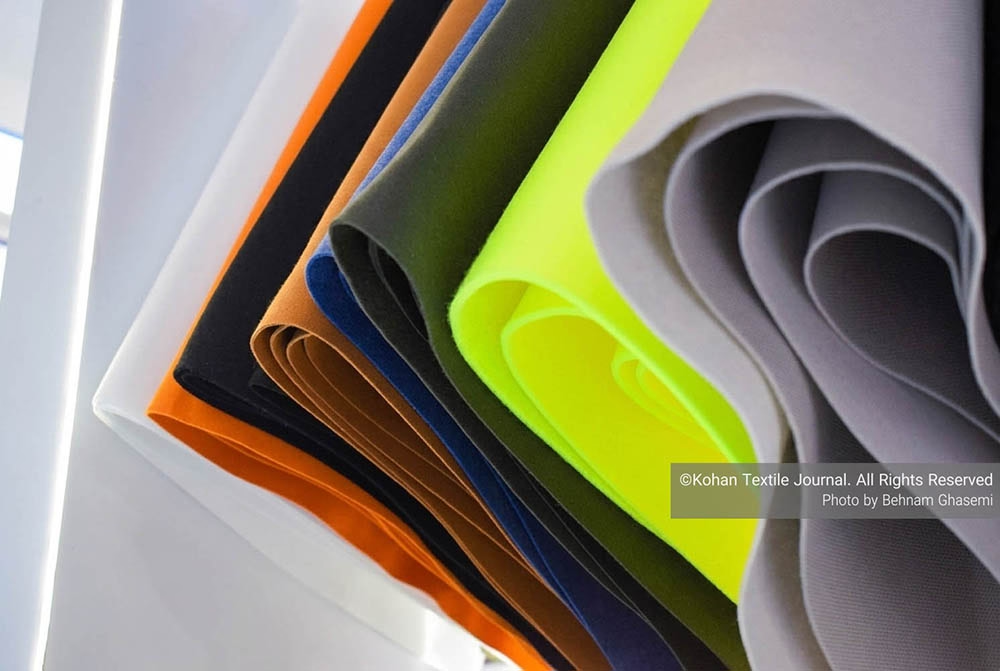
Technical Textiles for Automotive, Healthcare and Industrial Applications
Technical textiles differ from conventional fashion fabrics because they are primarily designed to meet functional requirements.
Depending on the application, these requirements may include mechanical strength, thermal resistance, filtration performance, chemical resistance, dimensional stability, comfort or durability.
For Morocco, technical textiles present opportunities across several industrial sectors.
Automotive applications include upholstery fabrics, interior components, reinforcement materials and specialized textile structures.
Protective textiles serve industries requiring workwear, safety equipment and personal protective products.
Medical textiles include materials designed for hygiene, protection, comfort and specialized healthcare applications.
Construction and infrastructure markets also use geotextiles, reinforcement fabrics and other engineered textile products.
C2TM’s role is to help Moroccan manufacturers explore such applications by facilitating access to research, technology and industrial partnerships.
The cluster does not manufacture all these products itself; rather, it supports the companies and institutions involved in developing them.
International Cooperation: New Connections with European Textile Clusters
An important development in C2TM’s international activities took place in January 2026, when the Moroccan cluster hosted representatives of Tèxtils.CAT, the Catalan cluster for advanced textile materials.
The mission, conducted in Casablanca from January 13–15, formed part of international cluster cooperation under the Euromed Clusters Forward initiative.
During the visit, representatives explored Morocco’s industrial textile ecosystem, visited companies and technical centers, and discussed potential collaboration between Moroccan manufacturing capabilities and European research expertise.
The initiative focused on identifying complementary industrial strengths and opportunities for joint innovation.
For Moroccan textile companies, cooperation with European technical textile clusters can provide access to specialized knowledge, potential technology partnerships and international industrial networks.
For European companies, Morocco offers opportunities to engage with manufacturers operating close to important regional supply chains.
Such cooperation could become increasingly significant as manufacturers seek more diversified and geographically connected sourcing and production networks.
TECHTEX: Developing Morocco’s Technical Textile Skills
One of C2TM’s notable international initiatives is its participation in TECHTEX, an Erasmus+ project focused on developing technical textile skills in Morocco.
The project runs from December 1, 2023, to November 30, 2026.
Its objective is to strengthen vocational education and training in technical textiles by introducing updated teaching approaches and improving the capabilities of students and trainers.
The project includes the development of digital training resources, a virtual learning program and training-of-trainers activities.
Skills development is an essential requirement for expanding technical textile manufacturing.
Producing functional textiles often requires specialized knowledge of materials, testing methods, finishing technologies, quality assurance and industrial standards.
By helping educational institutions update their training programs, TECHTEX seeks to improve the alignment between vocational education and the evolving requirements of textile manufacturers.
Circularity and Sustainable Textile Innovation
Sustainability is another area of activity for C2TM.
In November 2023, the cluster participated in circularity workshops organized through the International Trade Centre’s GTEX MENATEX program.
The discussions addressed challenges related to circular textile production, regulatory developments, research and innovation.
Circularity is becoming increasingly important for textile manufacturers supplying international markets, particularly where customers require greater transparency, resource efficiency and waste reduction.
For technical textile producers, the transition toward more circular manufacturing models also raises questions about material selection, recyclability, product durability and performance requirements.
Collaborative initiatives involving manufacturers and research institutions can help address these challenges.
Supporting Innovation Through Specialized Committees
C2TM organizes part of its activities through thematic committees addressing different industrial and technological subjects.
These include technical developments in materials, production processes, product innovation and industry requirements.
The cluster also provides information on regulatory and technological changes that may affect manufacturers.
Such monitoring can be valuable for companies seeking to enter specialized markets where product specifications and testing requirements are more demanding than in conventional textile production.
In addition, C2TM supports research collaboration and the development of prototypes intended to meet relevant technical standards.
Its broader approach is designed to connect industrial challenges with available scientific and technological expertise.
Why Technical Textiles Matter for Morocco’s Industrial Future
Morocco has an established textile and apparel manufacturing base, alongside important industrial activities in automotive and aerospace manufacturing. Technical textiles offer a potential connection between these sectors.
Manufacturers that develop expertise in functional fabrics, industrial yarns, specialized finishing and engineered textile components may be able to participate in higher-value industrial supply chains.
However, expanding into technical textiles requires more than conventional production capacity.
Companies must invest in technical knowledge, equipment, product development, testing and quality management.
Collaboration with research institutions and technology providers can help manufacturers overcome some of these challenges.
This is where organizations such as C2TM can play an important role.
By connecting industrial manufacturers with research capabilities and international partners, the cluster seeks to support the transition toward more technically advanced textile production.
Read more: Morocco Textile Exports Fall 6.5% in H1 2026
Outlook: Building a Competitive Technical Textile Ecosystem
The development of Morocco’s technical textile industry will depend on the ability of companies to transform research and innovation into commercially viable products.
International partnerships, workforce development and access to appropriate technologies will be central to that process.
C2TM’s activities demonstrate a collaborative approach to industrial development, bringing together companies, universities and research institutions around shared technological and commercial objectives.
Its participation in international initiatives, including cooperation with European textile clusters and technical education projects, reflects the importance of knowledge transfer in building a competitive industrial ecosystem.
For Morocco, the longer-term opportunity lies in combining its existing textile manufacturing capabilities with specialized materials, technical expertise and new industrial applications.
C2TM provides one of the institutional platforms through which that transition can be supported.
About C2TM
The Cluster des Textiles Techniques Marocains (C2TM) is a Moroccan technical textile innovation cluster founded in November 2013. Based in Casablanca, it supports collaborative R&D, technology transfer, industrial partnerships, technical skills development and the competitiveness of Moroccan technical textile manufacturers.
Website: www.c2tm.ma
Email: info@c2tm.ma
Location: ESITH, Route d’El Jadida, Km 8, Casablanca, Morocco.
Editorial note: This article draws on C2TM’s institutional brochure, its published organizational information, AMITH’s January 2025 newsletter and reporting on international cluster cooperation in January 2026.