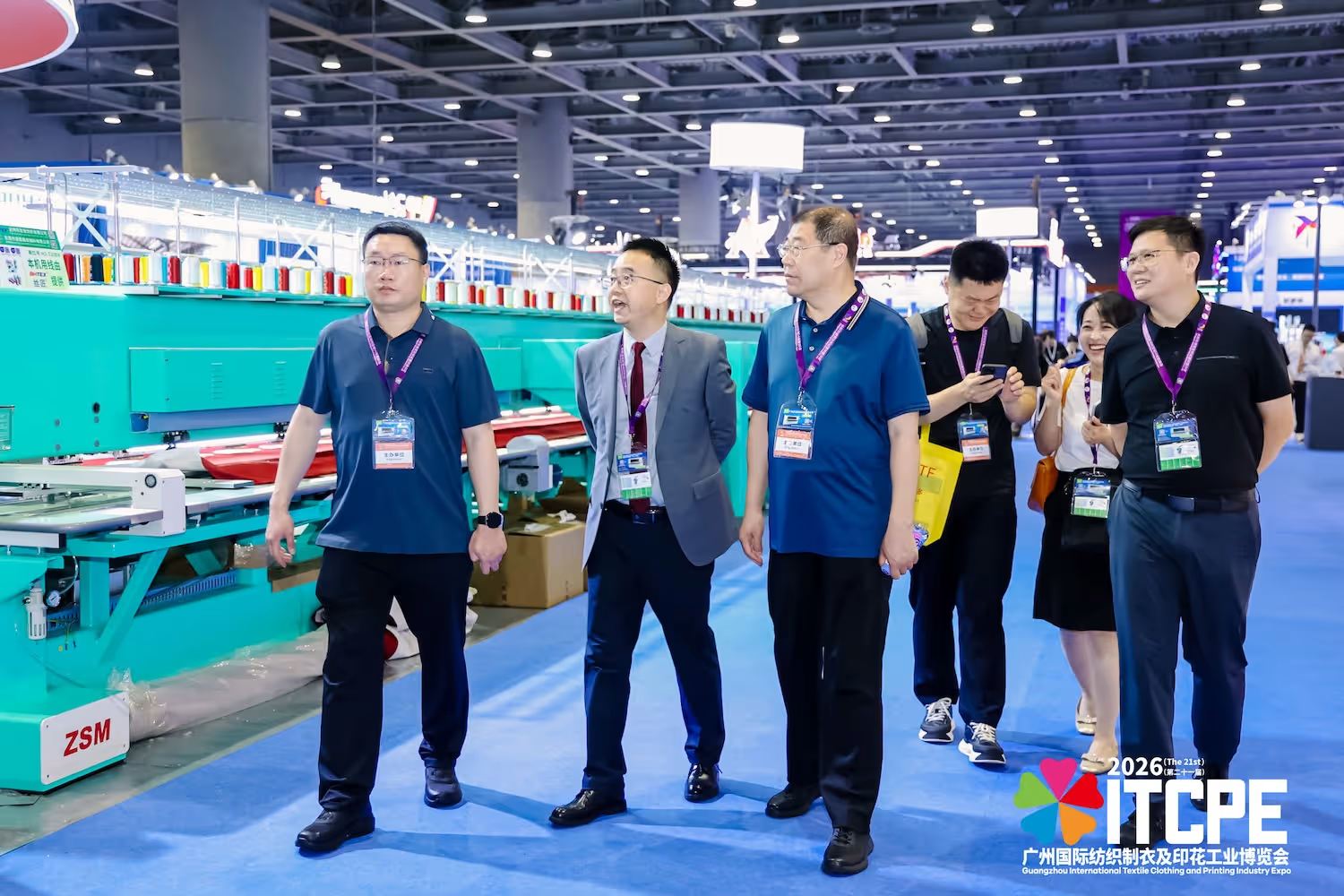
The global embroidery machinery landscape is undergoing a massive technological shift, moving from traditional mechanical operations to smart, automated, and AI-driven systems. At the forefront of this transformation is SINSIM (Zhejiang Xinsheng Technology Corp., Ltd.), recognized as a leading brand in China’s textile machinery sector.
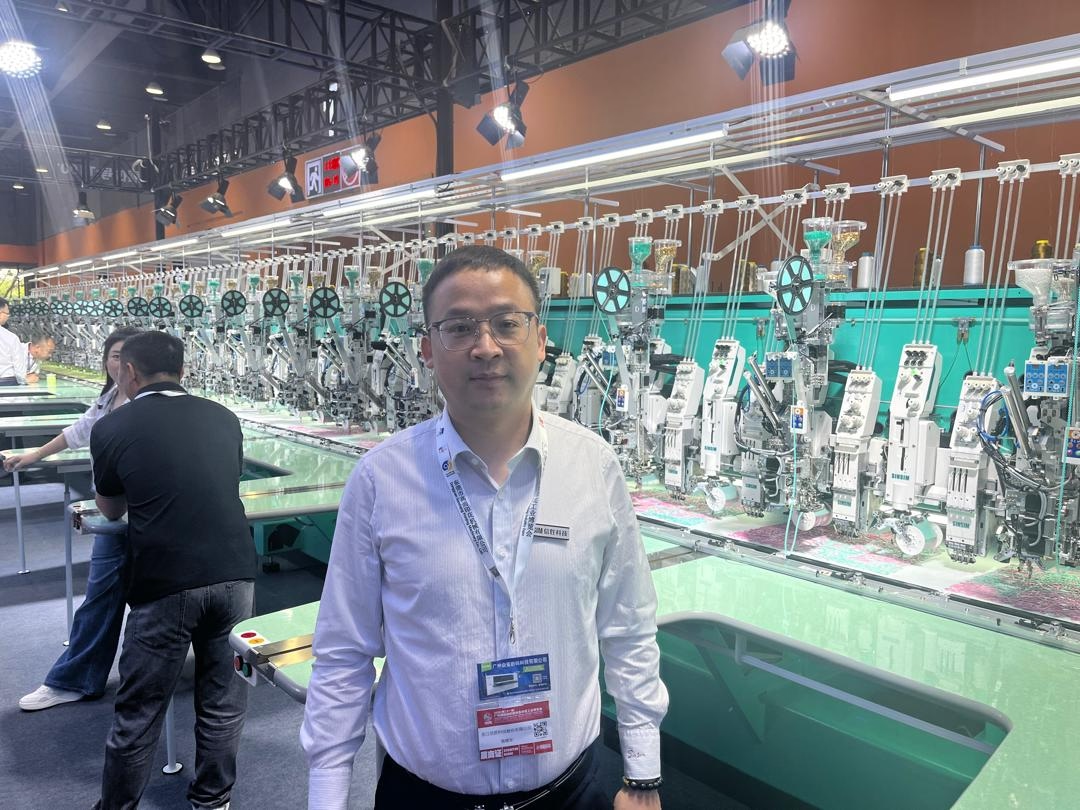
During the ITCPE exhibition, Behnam Ghasemi, Editor-in-Chief of Kohan Textile Journal, sat down for an exclusive interview with Mr. Denton, Foreign Trade Director at SINSIM, to discuss the company’s latest technological breakthroughs, its expanding footprint in the Middle East and Africa, and why Chinese textile machinery is no longer just about copying, but leading global innovation.
Revolutionizing Embroidery with AI and Smart Automation
Guangdong has long been established as a premier hub for the embroidery industry, making it the perfect stage for SINSIM to demonstrate its newest machinery. This year at ITCPE, the company highlighted advanced solutions designed to solve traditional production bottlenecks.
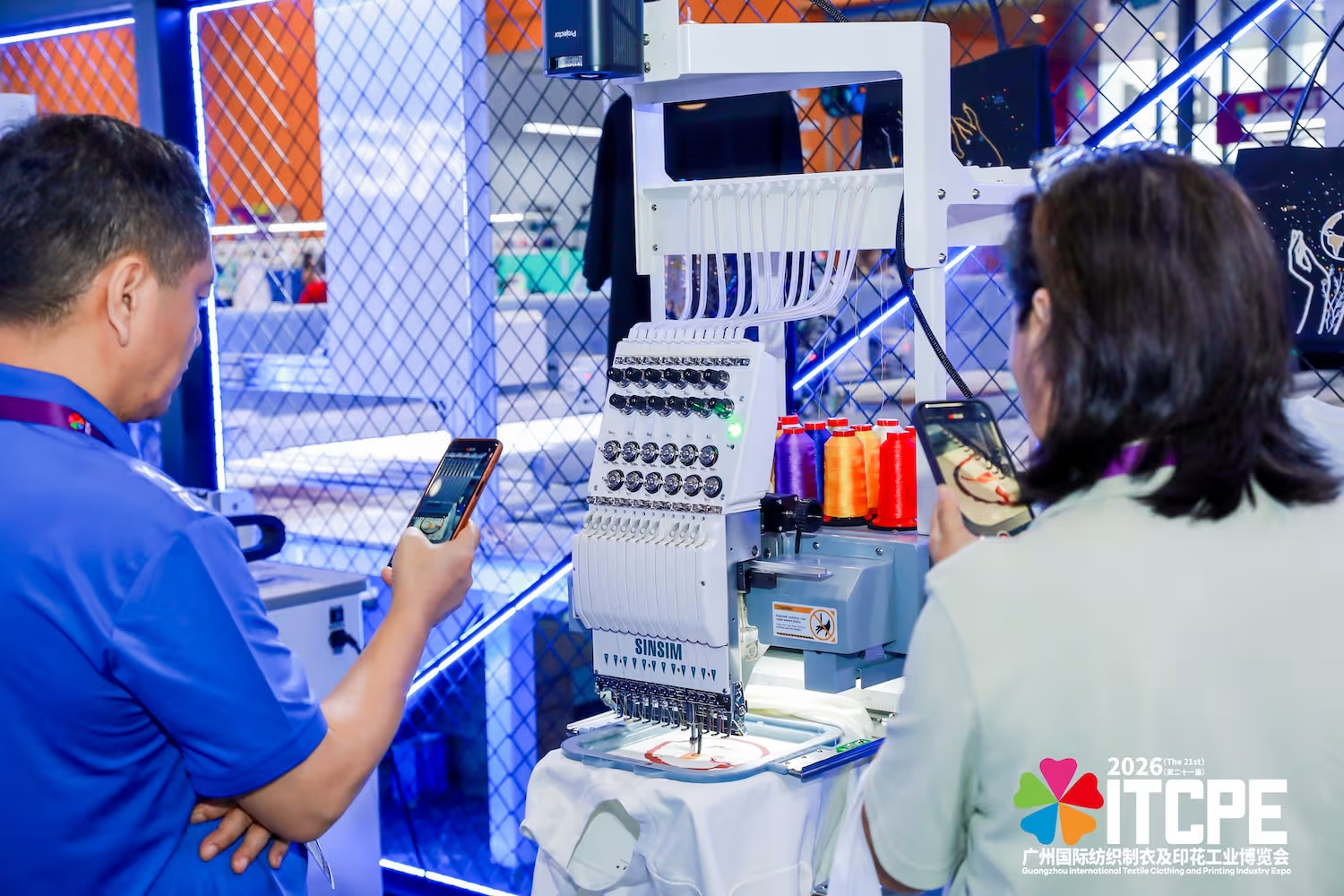
“Embroidery is a traditional industry, but when you integrate a camera system with AI, it changes everything,” Mr. Denton explained. “It helps manufacturers significantly optimize their production efficiency and design accuracy.”
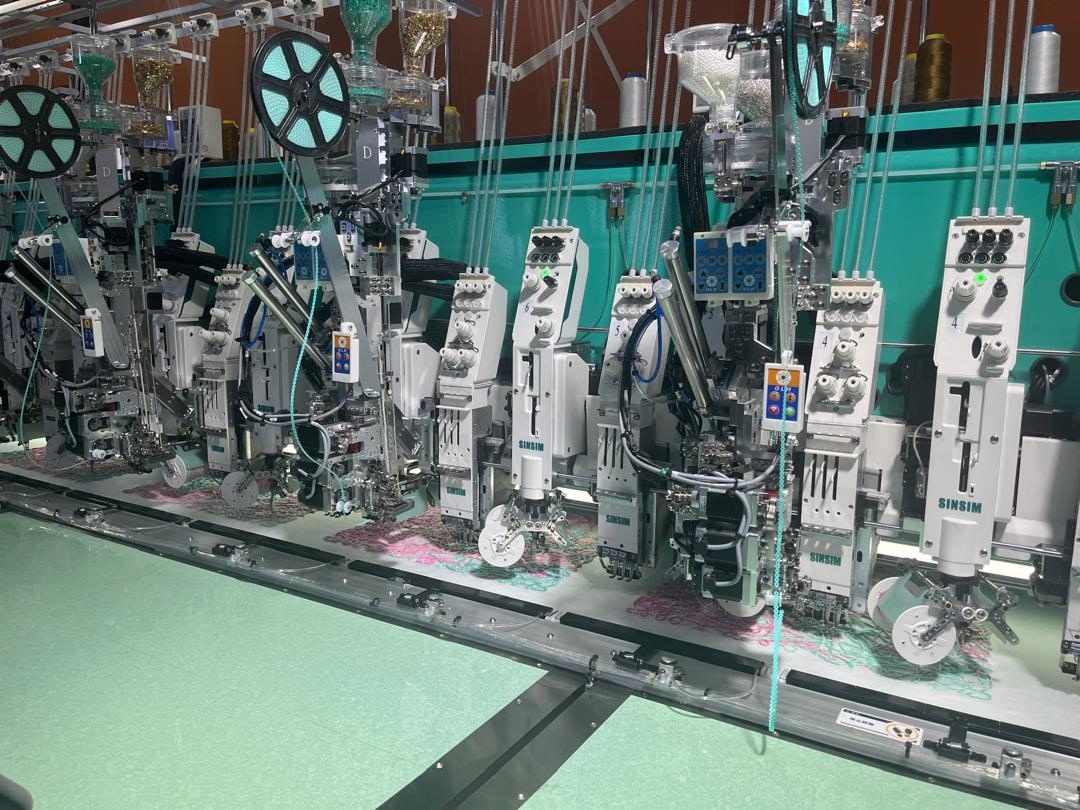
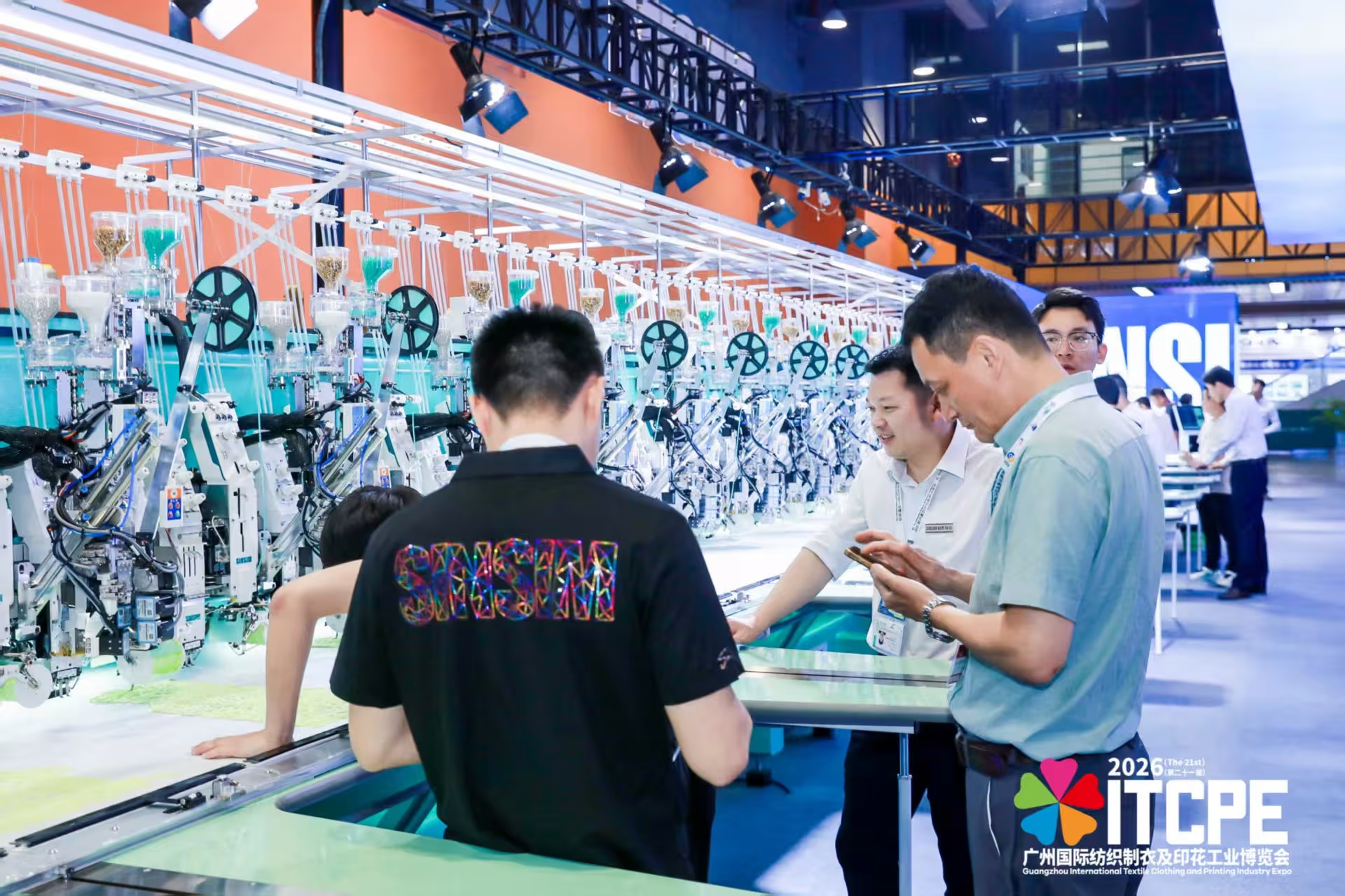
Among SINSIM’s key showcases was their specialized “mix-taping” machine and integrated camera-guided systems. Mr. Denton emphasized that the industry’s future relies heavily on smart automation. Technologies that previously required intensive manual labor—such as thick cord cutting, taping, frame clamping, and bobbin changing—have now been fully automated by SINSIM, drastically reducing downtime and labor costs for textile factories.
The Strategic Importance of Middle East & African Markets
SINSIM has historically maintained a strong presence across international markets, with the Middle East and Africa standing out as high-growth regions.
Despite current geopolitical challenges and regional market anxieties, SINSIM remains deeply committed to its Middle Eastern partners. The company has already built a robust network of exclusive agents across the region to ensure seamless sales and after-sales technical support:
- Saudi Arabia: Partnered with Lasage to serve the expanding Gulf market.
- Egypt: Partnered with Obari to support North Africa’s booming garment manufacturing sector.
- Regional Expansion: SINSIM has established a dedicated branch in the UAE to serve as a logistics and commercial hub for the entire region, alongside active operations in vital markets like Iran, Morocco, and Tunisia.
“The Middle East is an incredibly vital market because embroidery is deeply rooted in the local fashion and textile culture,” noted Mr. Denton. “Furthermore, its strategic geographic location and favorable trade terms with Europe and the Americas give local manufacturers a competitive edge over distant suppliers. We see a highly promising future there.”
How Chinese Machinery Shifted from ‘Copying’ to ‘Leading’ Innovation
When asked about the dramatic evolution of Chinese textile machinery over the past decade, Mr. Denton attributed the country’s success to two core factors: an unrelenting work ethic and systemic domestic industrial upgrading.
Ten to fifteen years ago, global markets often perceived Chinese machinery as mere imitations of European or Japanese technology. Today, that narrative has completely flipped.
“The entire manufacturing ecosystem in China has improved,” Mr. Denton stated. “To build a great embroidery machine, you need precision spare parts. Today, China produces world-class CNC and milling machines. Because our components are superior, our final embroidery machines run with incredible stability at high speeds. We went from studying foreign tech to pioneering multi-functional innovations that the market has never seen before.”
Editor’s Insight: ITCPE 2026 and the Future Landscape of Embroidery
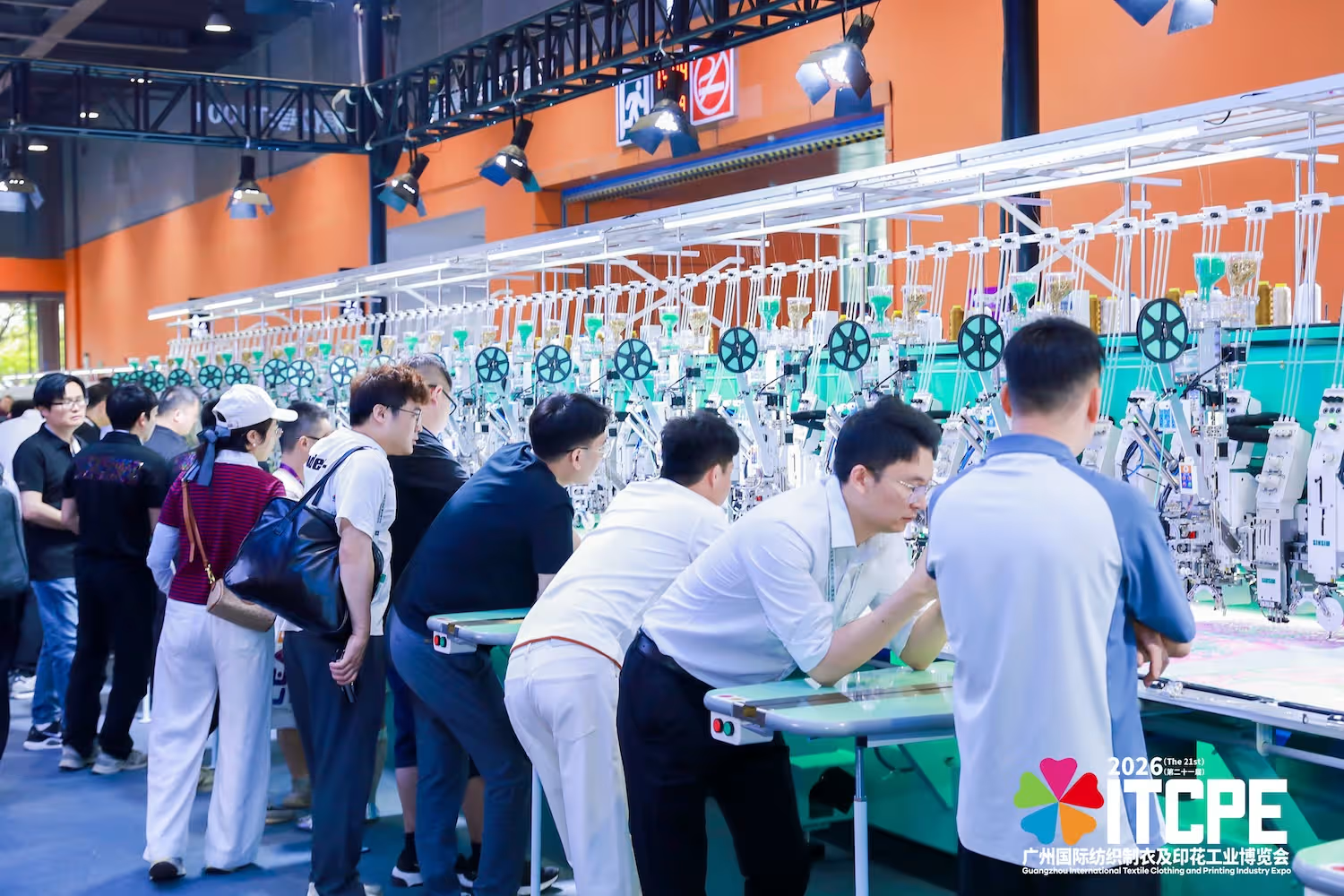
The phenomenal success of the 21st Guangzhou International Textile, Clothing & Printing Industry Expo (ITCPE 2026) serves as a powerful testament to the massive technological renaissance currently taking place in the global embroidery sector. Drawing nearly 40,000 professional visitors across a massive 50,000-square-meter display space, the record-breaking scale of this expo highlights just how rapidly the apparel and embroidery chains are integrating.
The unprecedented 92.97% year-on-year surge in registered international buyers clearly signals that global markets—especially across the Middle East, Africa, and South America—are aggressively seeking the next generation of smart manufacturing.

What we witnessed firsthand at ITCPE 2026 is that embroidery is no longer bound by its traditional, labor-intensive past. The booming on-site equipment signings, coupled with a staggering 42% year-on-year increase in transaction rates, prove that global manufacturers are actively investing in high-speed computerized systems, AI automation, and intelligent seamless craftsmanship to combat rising costs.
As the intersection of traditional artistry and high-tech engineering deepens, platforms like ITCPE have become entirely indispensable for the industry. It is no longer just a trade show; it is the ultimate global launchpad where visionary companies like SINSIM showcase the high-speed, stable, and multi-functional technologies that will redefine textile production for decades to come.