




Denim is one of the most influential fabrics in the global textile and apparel industry. From its origins as durable workwear fabric in the nineteenth century to its modern role as a cornerstone of global fashion, denim has evolved into a complex, multi-billion-dollar global industry connecting agriculture, textile manufacturing, fashion brands, and international retail markets.
Today denim is produced and consumed across nearly every region of the world. The fabric has moved far beyond its original purpose as workwear, becoming a universal symbol of casual fashion worn by billions of people. Jeans, jackets, shirts, and even footwear made from denim fabrics are sold in virtually every clothing market.
The global denim industry is shaped not only by fashion trends but also by major technological, environmental, and economic forces. Denim production involves multiple stages including cotton farming, yarn spinning, fabric weaving, dyeing, finishing, garment manufacturing, and global distribution. Each stage of this value chain has undergone significant transformation during the past two decades as manufacturers adopt advanced machinery, automation technologies, and more sustainable production systems.

In recent years the denim sector has faced a number of challenges including rising production costs, global supply chain disruptions, geopolitical tensions, and increasing environmental regulations. At the same time, consumer expectations for sustainable fashion have forced brands and manufacturers to rethink how denim fabrics are produced.
Despite these challenges, denim remains one of the most resilient segments of the textile and apparel sector. Global demand for denim garments continues to grow, driven by the popularity of casual fashion, the expansion of emerging markets, and the continuous innovation of textile manufacturers.
Read more: The Best Turkish Denim Brands
This comprehensive guide explores the global denim industry, examining its market structure, key producing countries, manufacturing technologies, sustainability challenges, and future opportunities.
Global Denim Market Overview
The denim market represents one of the most significant segments of the global apparel industry. Denim garments—especially jeans—have become one of the most widely worn clothing items in the world.
Global denim revenues are estimated to reach tens of billions of dollars annually. Demand is fueled by several factors including durability, versatility, and the ability of denim to adapt to changing fashion trends.
The United States and Europe remain among the largest consumer markets for denim apparel. At the same time, manufacturing activity has increasingly shifted toward Asia and other emerging textile regions where production costs are lower and industrial capacity is expanding.
Asia has become the center of global denim manufacturing, with countries such as China, Pakistan, India, Bangladesh, and Vietnam producing large volumes of denim fabrics and garments for international fashion brands.
Meanwhile, emerging markets in the Middle East, Africa, and Latin America are gradually becoming both production hubs and consumer markets. Rising disposable incomes, urbanization, and expanding retail infrastructure are supporting the growth of denim consumption in these regions.

Denim is no longer limited to traditional jeans. The fabric is now widely used in shirts, jackets, dresses, accessories, footwear, and even interior design products. Innovations in stretch fabrics, lightweight denim constructions, and performance textiles have further expanded the applications of denim.
However, the industry is also facing increasing pressures including rising cotton prices, energy costs, environmental regulations, and the need to reduce water consumption and chemical use in textile manufacturing.
The Denim Supply Chain: From Cotton to Fashion
The global denim industry relies on a complex supply chain that connects agriculture, textile manufacturing, and fashion retail.
Cotton Production
Denim production typically begins with cotton farming. Cotton remains the primary raw material used in denim fabrics, although synthetic fibers such as elastane are increasingly blended with cotton to create stretch denim.
Major cotton-producing countries include India, China, the United States, Pakistan, and Brazil. Cotton quality plays an important role in determining the strength, durability, and appearance of denim fabrics.
Yarn Spinning
After harvesting, cotton fibers are processed and spun into yarn. Denim yarns are typically produced using ring spinning or open-end spinning technologies.
Ring-spun yarns offer higher strength and better fabric aesthetics, while open-end spinning allows faster production and lower costs.
Read more: A New Era for Denim Treatments: Biancalani’s AQUARIA® Redefines Pre-Shrinking and Sustainability
Denim Fabric Manufacturing
Denim fabrics are woven using a twill weave structure, which creates the diagonal rib pattern characteristic of denim textiles. Shuttle looms, projectile looms, and modern rapier weaving machines are widely used in denim production.
The fabric construction, yarn count, and weave density determine the weight and durability of the final denim material.
Garment Manufacturing
After fabric production, denim materials are transformed into garments such as jeans, jackets, and workwear apparel. Garment manufacturing involves cutting, sewing, washing, and finishing processes that give denim products their distinctive appearance.
Garment finishing techniques such as stone washing, enzyme washing, sandblasting, and laser treatments create the wide variety of visual effects seen in modern denim fashion.

Major Denim Producing Countries
Global denim production is concentrated in several major textile manufacturing regions.
Pakistan
Pakistan is widely considered one of the world’s most important denim manufacturing hubs. The country hosts numerous vertically integrated denim mills capable of spinning, weaving, dyeing, and garment production.
Pakistani denim producers export fabrics and garments to major international fashion brands and retailers.
Turkey
Turkey has developed a strong reputation for high-quality denim fabrics, advanced finishing technologies, and innovative textile research. Turkish mills work closely with global fashion brands and are known for producing premium denim fabrics.
Turkey also benefits from geographic proximity to European fashion markets, making it an important sourcing destination.
China
China remains a major player in global denim manufacturing due to its massive industrial capacity, advanced machinery, and strong textile supply chains.
Although rising labor costs have shifted some production to other countries, China continues to be an important center for denim innovation and production.
India
India is another major denim producer supported by large cotton production and a growing domestic apparel market. Indian denim mills supply both international brands and local fashion companies.
Bangladesh and Vietnam
Bangladesh and Vietnam have emerged as key garment manufacturing hubs producing large volumes of denim apparel for global retailers. Competitive labor costs and export-oriented policies have supported the growth of these industries.

Denim Manufacturing Technologies
Modern denim production relies heavily on advanced textile machinery and innovative manufacturing processes.
Indigo Dyeing
Indigo dyeing is the defining process that gives denim its characteristic blue color. Yarn is repeatedly dipped into indigo dye baths to achieve the desired shade.
Recent innovations focus on reducing water consumption and chemical usage in dyeing processes.
Denim Weaving
Advanced weaving technologies allow manufacturers to produce denim fabrics with different textures, weights, and performance characteristics.
Modern weaving machines enable high productivity while maintaining fabric quality.
Denim Finishing Technologies
Finishing processes play a crucial role in determining the final appearance of denim garments. Technologies such as laser finishing, ozone washing, and automated washing systems allow manufacturers to create fashionable effects while reducing environmental impact.
Automation and digital control systems are increasingly used to optimize finishing processes and improve production efficiency.

Sustainable Denim Innovations
Sustainability has become one of the most important issues in the global denim industry.
Traditional denim production consumes large quantities of water, chemicals, and energy. As environmental concerns grow, manufacturers are developing new technologies to reduce the environmental footprint of denim manufacturing.
Water Reduction Technologies
New dyeing systems and water recycling technologies allow denim manufacturers to dramatically reduce water consumption during fabric production.
Eco-Friendly Chemicals
Many companies are replacing hazardous chemicals with safer alternatives and implementing strict chemical management systems across their supply chains.
Recycling and Circular Production
Recycling technologies enable the conversion of textile waste into new fibers. Recycled cotton and regenerated fibers are increasingly used in denim fabrics as part of circular fashion initiatives.
Energy Efficiency
Modern denim factories are investing in energy-efficient machinery and renewable energy sources to reduce carbon emissions.
Types of Denim Fabrics
Denim fabrics are available in a wide range of constructions and styles designed for different applications.
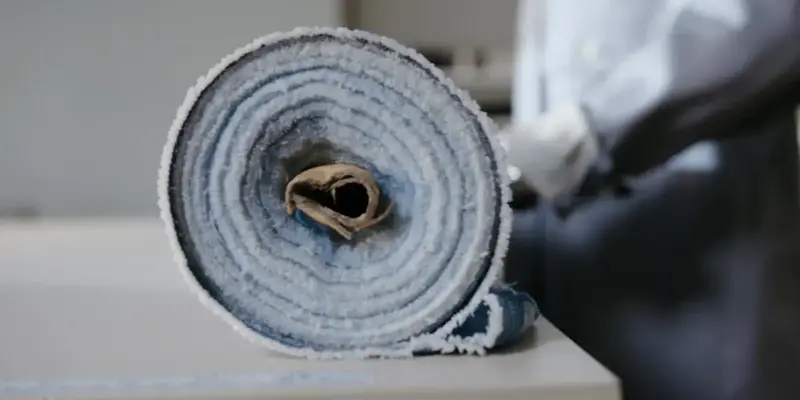
Raw Denim is untreated denim fabric that develops unique fading patterns with wear.
Stretch Denim incorporates elastane fibers to improve comfort and flexibility.
Selvedge Denim is produced using traditional shuttle looms and is known for its premium quality.
Lightweight Denim offers improved comfort and breathability for warmer climates.
These innovations allow denim to remain relevant in modern fashion markets.
Regional Denim Hubs and Emerging Markets
As global supply chains evolve, new denim production hubs are emerging.
The Middle East and Africa are attracting textile investments due to their strategic locations, expanding industrial infrastructure, and proximity to European markets.
Countries such as Egypt and Morocco are developing textile manufacturing zones that could play an increasingly important role in future denim production.
These emerging regions may become key players in the next phase of global denim supply chain development.
Future Trends in the Denim Industry
The future of the denim industry will be shaped by several key trends.
Digital technologies are transforming textile manufacturing through automation, data analytics, and smart factory systems.
Sustainability will continue to drive innovation as brands seek to reduce environmental impacts and adopt circular production models.
Consumer preferences are also evolving. Demand for comfort, stretch fabrics, and performance textiles is increasing, while fashion cycles are becoming more dynamic.
At the same time, geopolitical changes and supply chain diversification will influence where denim is produced and how global sourcing strategies develop.
Manufacturers that successfully combine technological innovation with sustainable production practices will lead the next phase of growth in the denim industry.
Conclusion
From its origins as durable workwear to its modern role as a global fashion essential, denim has become one of the most enduring fabrics in the textile industry.
Despite economic uncertainties, environmental challenges, and changing supply chains, the denim industry continues to grow and evolve. Technological innovation, sustainable manufacturing practices, and emerging production regions will shape the future of denim production in the coming decades.
For textile professionals, investors, and industry observers, understanding the dynamics of the global denim industry is essential for navigating the rapidly changing landscape of textile manufacturing and fashion markets.











