






The African Development Bank Group has approved €200 million in financing to modernise Morocco’s vocational training system and improve employment opportunities, particularly for young people and women.
The results-based financing will support the implementation of Cap Compétences 2030, a national programme designed to align workforce skills more closely with business requirements and the changing demands of Morocco’s labour market.
According to the African Development Bank, the programme will improve the relevance, quality and diversity of vocational education through digital services, expanded learning systems and stronger mechanisms for connecting trainees with employment opportunities.
Cap Compétences 2030 Built Around Three Pillars
Cap Compétences 2030 is structured around three main areas: skills development and strategic cooperation, inclusive training aligned with employer requirements, and the digital transformation of vocational education.
The programme will also reinforce the institutional and operational capacity of Morocco’s training system while improving the efficiency and reach of existing services.
By widening access to diversified training opportunities, the initiative is expected to help more beneficiaries acquire market-relevant qualifications and transition successfully into employment.
The emphasis on employer needs is particularly important as Moroccan industries require workers with more specialised technical, digital and operational capabilities.
Read more: Textile Waste in Africa: A Deep Dive into Morocco and Tunisia’s Circular Future
Supporting Employment for Young People and Women
Improving employment prospects for young people and women is one of the central objectives of the programme.
Achraf Tarsim, Country Manager of the African Development Bank Group in Morocco, said Cap Compétences 2030 is aligned with the priorities of Morocco’s National Employment Roadmap 2025–2030 and the Bank’s broader strategic vision.
“Our shared objective is to harness the demographic dividend to support value creation and promote employment, particularly for young people and women,” Tarsim said.
The programme is being implemented in coordination with technical and financial institutions to improve coherence between different initiatives and strengthen support for public policy reforms.
Digitalisation to Modernise Vocational Training
Digital transformation will play a central role in modernising Morocco’s vocational training infrastructure.
The programme is expected to expand digital learning services, improve access to educational resources and make training systems more responsive to labour market changes.
Digital platforms could also help institutions monitor training outcomes, identify skills gaps and improve coordination between education providers, businesses and employment services.
The initiative comes as digitalisation, automation and new production technologies reshape the skills required across Morocco’s economy. Employers increasingly need workers who can combine practical technical knowledge with digital literacy, problem-solving and adaptability.
Potential Benefits for Morocco’s Textile Industry
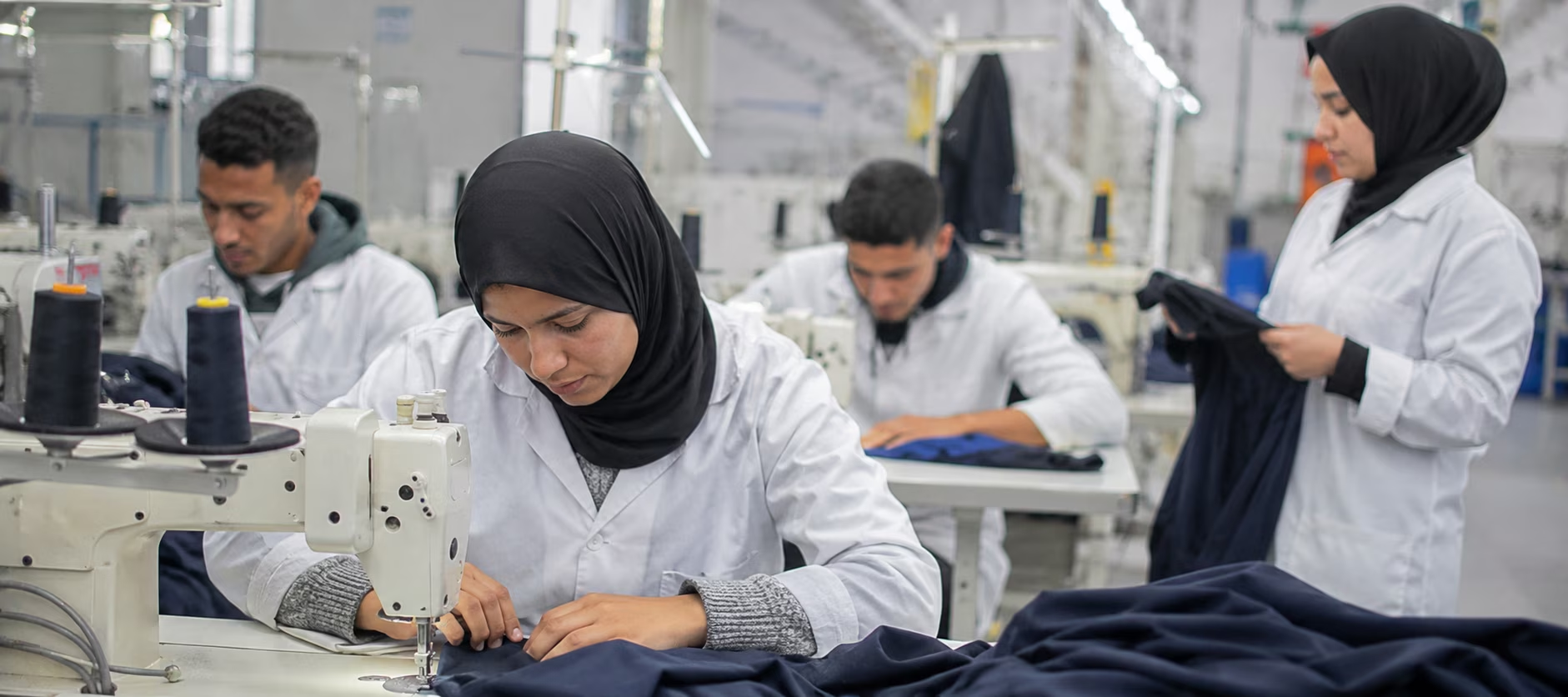
Although Cap Compétences 2030 is a national cross-sector programme rather than a textile-specific initiative, its focus on vocational education could benefit labour-intensive manufacturing industries, including textiles, apparel and leather.
Morocco’s textile and apparel manufacturers require trained workers in areas such as garment production, industrial machinery operation, quality control, production planning, digital design and sustainable manufacturing.
Stronger cooperation between training institutions and businesses could help manufacturers address skills shortages and prepare workers for more automated, technology-driven production environments.
Improved vocational training could also support Morocco’s competitiveness as an apparel sourcing and manufacturing destination, particularly as international buyers place greater emphasis on productivity, traceability, social compliance and environmental performance.
The extent of these benefits will depend on how the programme’s training pathways are allocated across industries and how effectively employers participate in curriculum development.
Read more: Morocco’s Textile Recycling Industry Could Create 30,000 Jobs and Attract $2 Billion in Investment
AfDB Deepens Its Long-Term Engagement in Morocco
The new financing reflects the African Development Bank’s long-term involvement in Morocco’s human development, employment and social inclusion programmes.
It also builds on previous results-based operations supporting structural reforms in the country’s labour market and vocational training system.
Since beginning its activities in Morocco, the African Development Bank Group has mobilised more than €15 billion across strategic sectors, including education, employment, healthcare, infrastructure, energy and governance.
Through Cap Compétences 2030, Morocco aims to develop a more inclusive and responsive skills system capable of supporting job creation and preparing its workforce for the future needs of industry.











