Interview with Khikmatillo Abdullayev – CEO at AsakaTextile – Uzbekistan’s Leading Sustainable, Vertically Integrated Textile Manufacturer.
Uzbekistan’s textile industry is rapidly transforming from a raw cotton supplier into a competitive producer of high-value textiles and finished garments. Asaka Textile, one of the country’s established vertically integrated manufacturers, is playing an important role in this transition.
In this exclusive interview, Behnam Ghasemi, Editor-in-Chief of Kohan Textile Journal, speaks with Khikmatillo Abdullayev, CEO of Asaka Textile, about the company’s production capabilities, technological investments, sustainability initiatives, export markets, and future growth strategy, as well as Uzbekistan’s emerging position in the global textile industry.
From Cotton Field to Finished Product
1. Company Overview: Asaka Textile has been operating since 1998. Could you briefly introduce the company, its main products, production capabilities, and competitive advantages?
Asaka Textile has been operating since 1998 in Asaka, in the Andijan region of the Fergana Valley, one of Uzbekistan’s historic cotton-growing areas. In the 25-plus years since, we have become a fully integrated manufacturer.
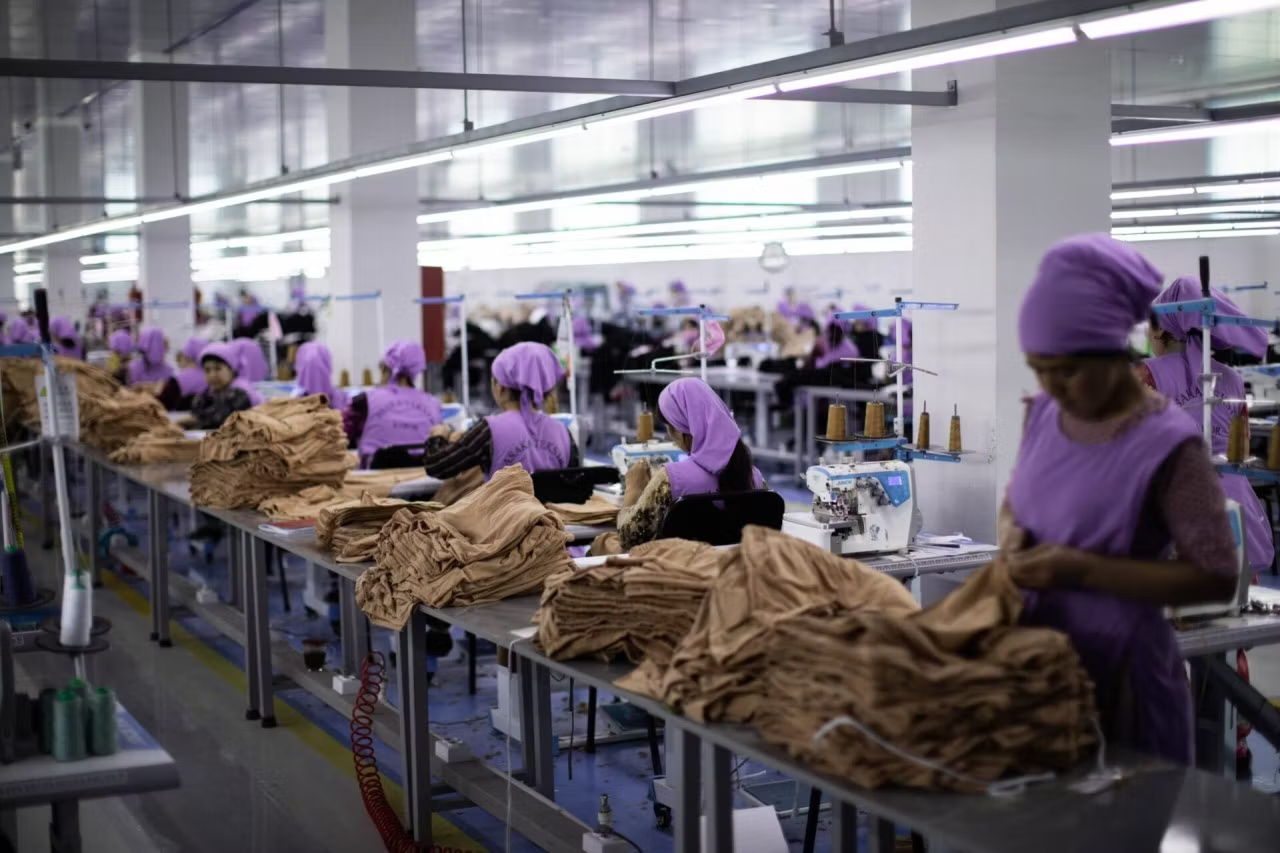
We grow cotton on 11,200 hectares of our own land in the Andijan and Khorezm regions, then spin it into yarn, knit and weave the fabric, dye and print it, and sew the finished goods. All of it happens inside one company.
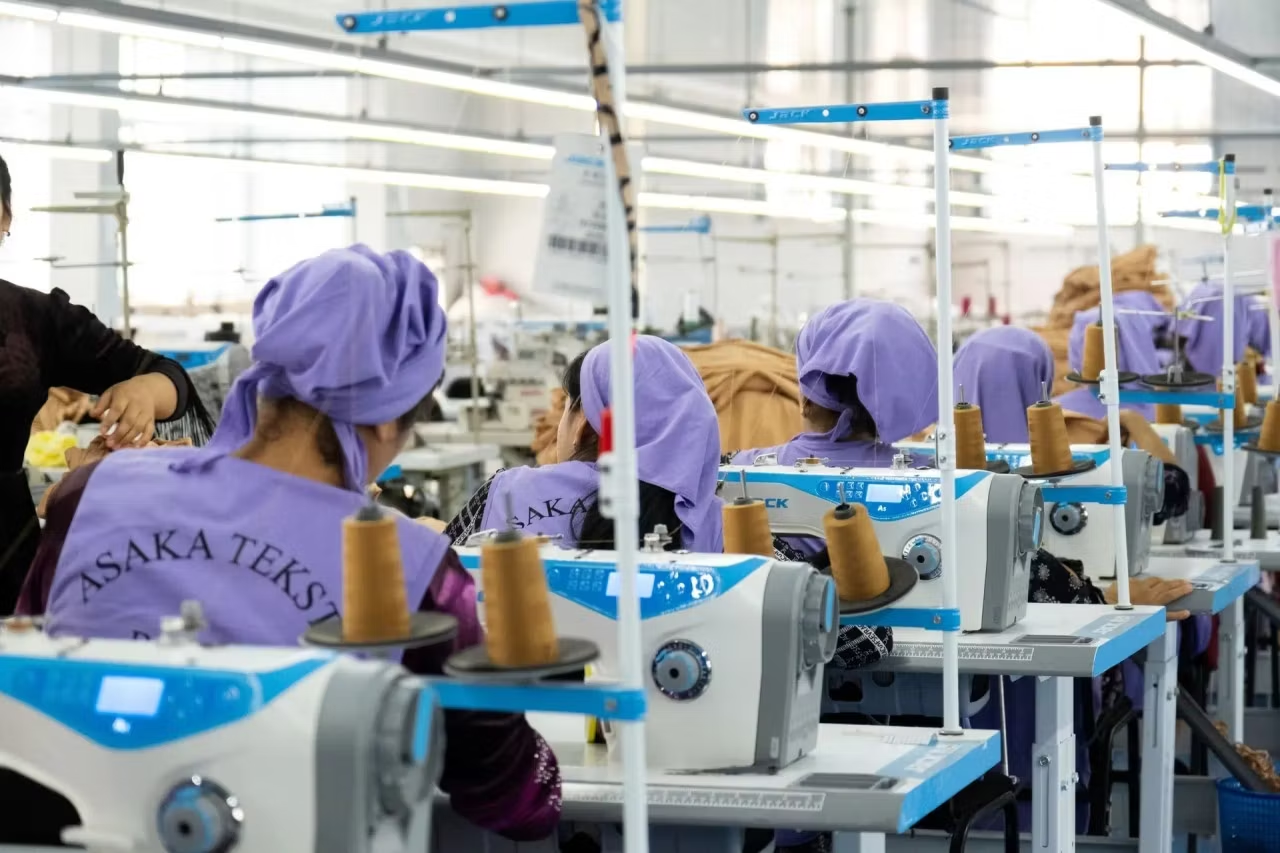
Our main products are compact combed and carded cotton yarn from Ne 20/1 to 40/1; knitted fabric; terry products such as towels, bathrobes and hotel sets from 220 to 1000 GSM; and finished knitwear, including T-shirts, polos, sweatshirts, hoodies, homewear, sleepwear and training wear. We also do OEM and private-label work, producing to our clients’ tech packs.
What sets us apart is control. We own every stage from cotton seed to finished product, so we can keep quality steady and lead times short. A terry programme takes about 30 days. That reliability is why international fashion retailers and large regional retail chains work with us. We employ around 3,000 people.
Vertical Integration as a Competitive Advantage
2. Vertical Integration: Your company operates across the textile value chain, from cotton cultivation to finished garments. How does this integrated business model strengthen your competitiveness in international markets?
Everything we do is built around integration. We don’t buy yarn or fabric on the open market. We grow cotton in our own fields, gin it, spin it, knit or weave it, dye and print it, and sew the final product.
Each year we produce around 17,000 tons of yarn and 9,000 tons of fabric, both for our own programmes and for clients.
In export markets this helps us in three ways. First, quality. One defect in the cotton or yarn can spoil an entire order. Since we control the raw material, we control the result, and our in-house lab tests products at each stage, not only at the end.
Second, traceability. Buyers can follow a towel or T-shirt back to the field where its cotton grew, and more brands ask for that every year. Third, cost and speed. With no independent suppliers between the stages, there are no extra margins or waiting time, so our prices stay competitive and our deliveries arrive on schedule.
That lets us compete on more than price. Buyers signing long-term contracts want a supplier they can rely on, and integration is how we earn that.
Technology Investment and Capacity Expansion
3. Technology & Investment: What are your latest investments in textile machinery, automation, and production technologies? Are you planning to expand your manufacturing capacity?
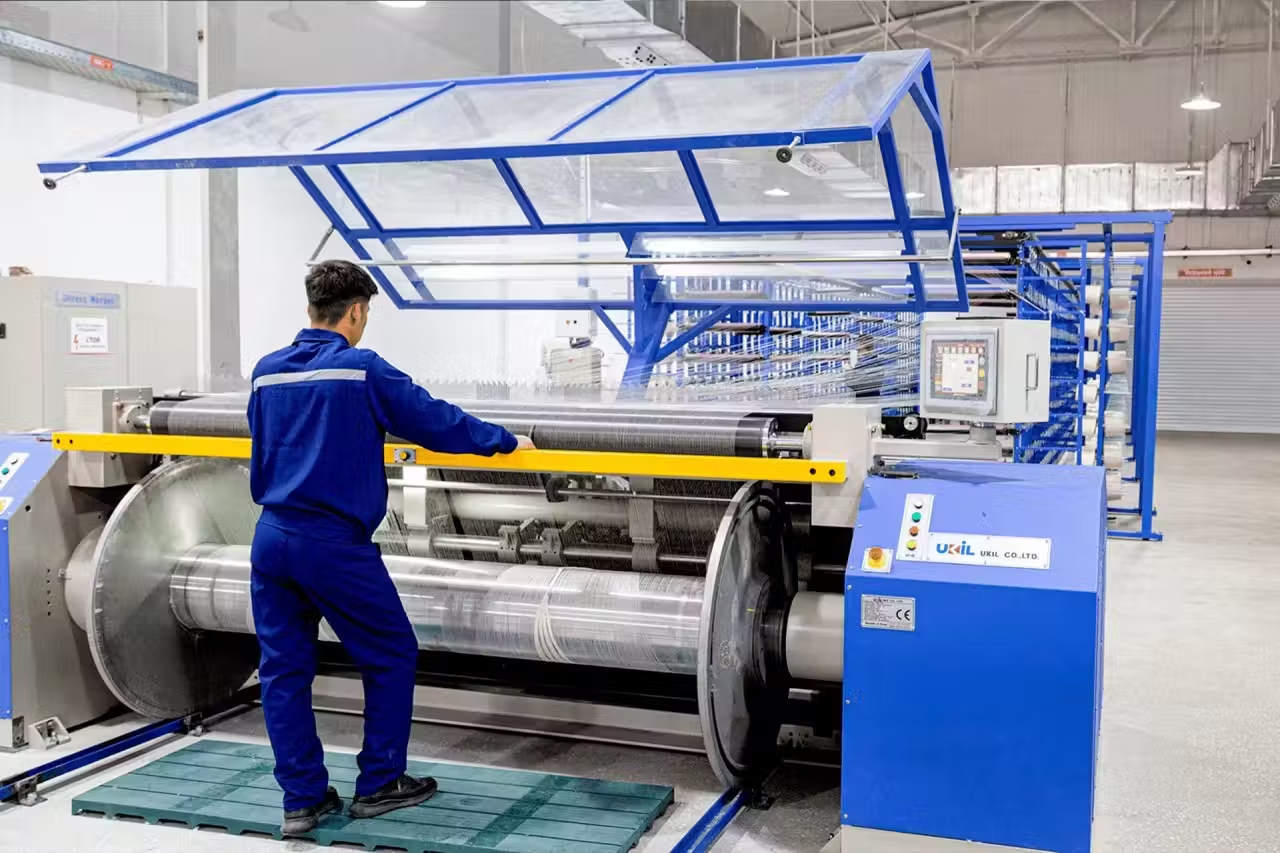
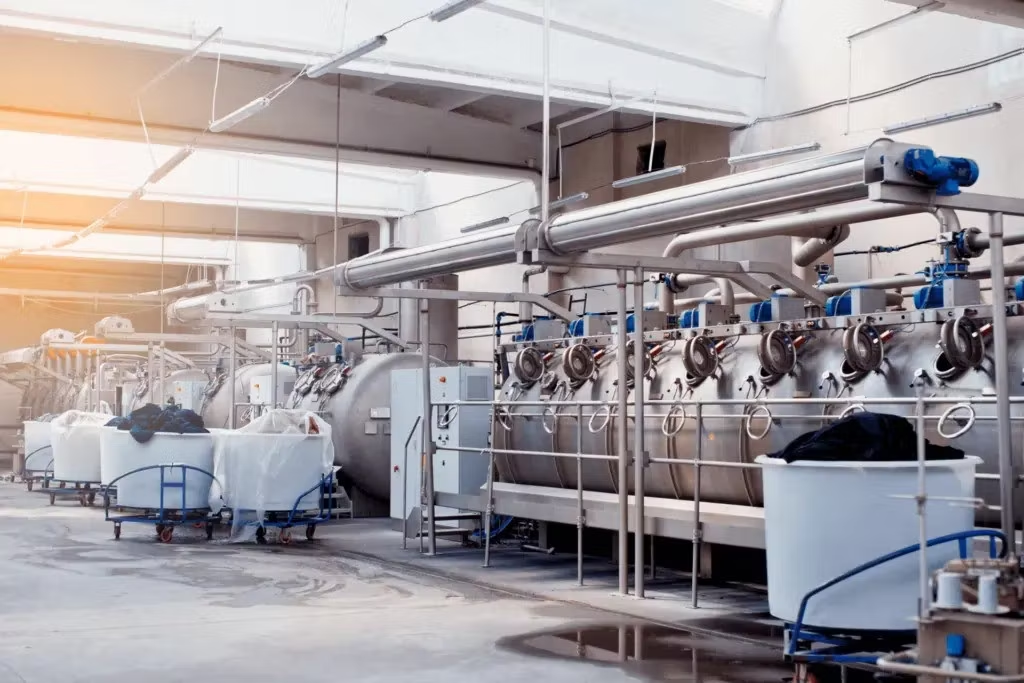
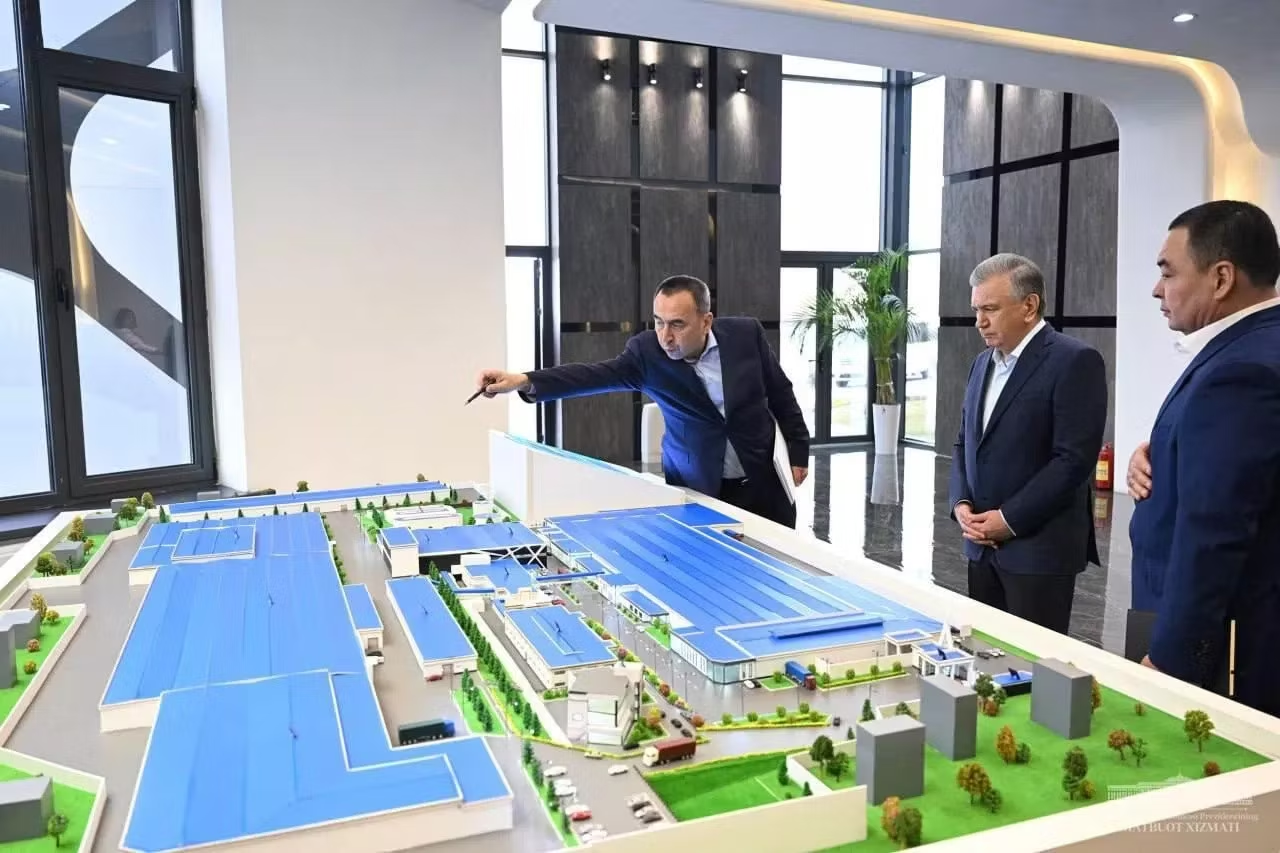
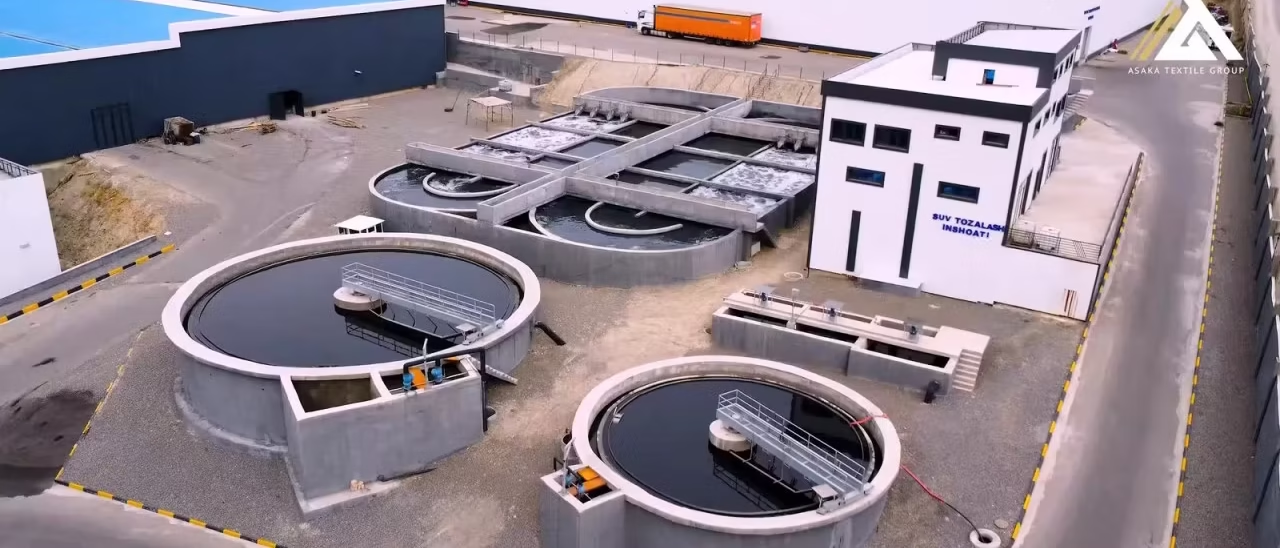
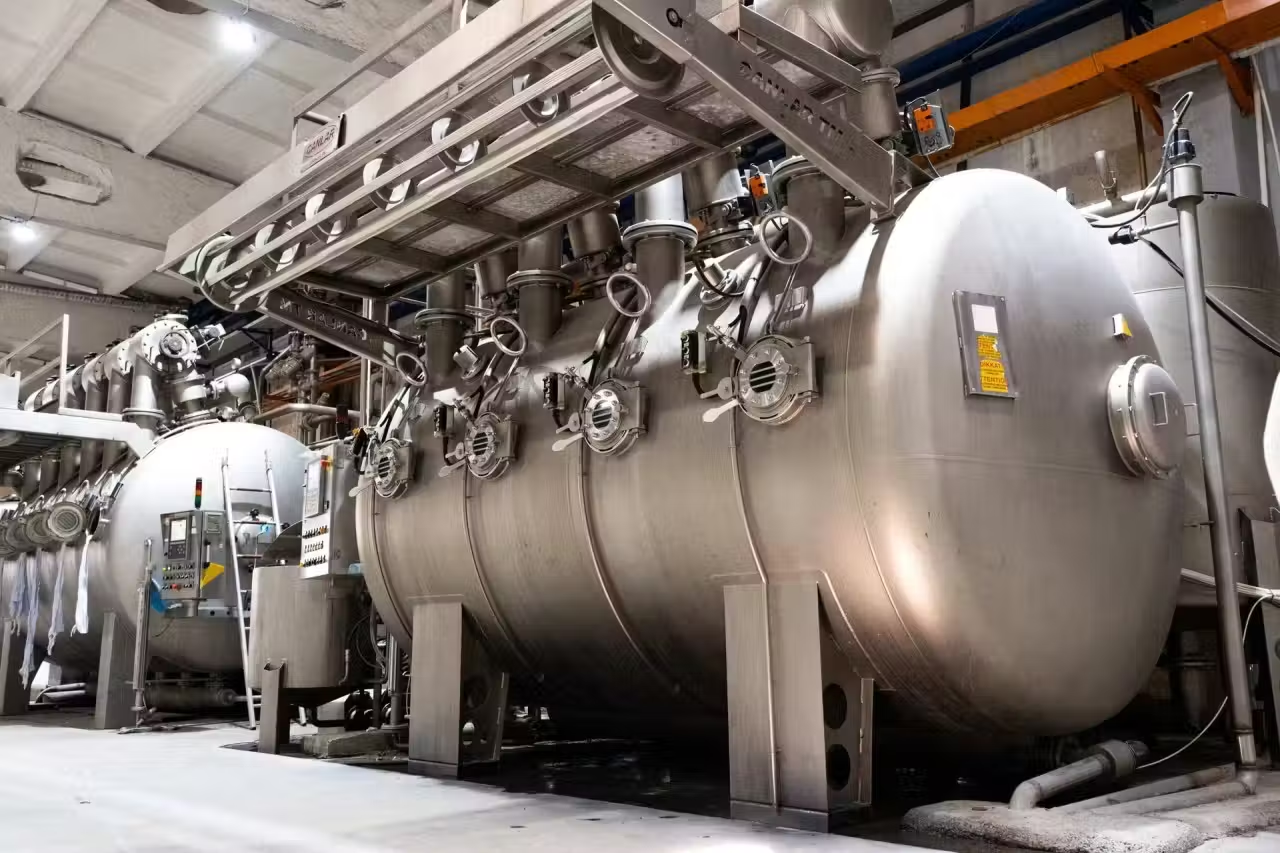
Our spinning mill uses compact spinning to make combed and carded yarn from Ne 20/1 to 40/1. We knit on more than ten lines in-house, and our weaving department runs 48 ITEMA R9500 looms for terry and waffle fabric. Yarn dyeing, fabric dyeing and rotary printing are all done on site, and our own membrane bioreactor plant treats the wastewater.
In recent years we have kept investing in new spinning, knitting, dyeing and finishing equipment and in automation across the plant. That has raised our capacity and made our output more consistent.
Yes, we plan to expand. Demand is moving away from cotton and yarn toward finished goods, which carry more value, and that is where we want to grow.
The priority is more garment and terry capacity, along with automation in cutting, sewing and quality control. We want to make higher-value products, not just more of the same ones.
Expanding Export Markets and Moving Toward Finished Goods
4. Export Markets: Asaka Textile currently exports to 11 countries. Which international markets are your main priorities, and where do you see the greatest opportunities for future growth?
We export to 11 countries in 4 regions: Russia, Belarus, Ukraine and Belgium in Europe; Türkiye, the United Arab Emirates and Egypt in the Middle East and North Africa; Kyrgyzstan, China and Pakistan in Asia; and Brazil in South America.
Our customers include yarn and fabric buyers, large regional retail groups and international fashion retailers. Türkiye is our largest yarn market and an important link to Europe’s apparel supply chain.
We see the most room to grow in two areas. One is the European Union and the United States. The international boycott of Uzbek cotton ended in 2022, so Western brands can source from us again, and under the EU’s GSP+ scheme many of our products, cotton towels among them, enter the EU duty-free.
The other is selling finished garments and terry products, not only yarn and fabric, to the partners we already have. That kind of business usually leads to longer relationships.
Sustainability, Traceability and Responsible Production
5. Sustainability: Sustainability is becoming increasingly important for global textile buyers. What initiatives has Asaka Textile introduced to improve environmental performance, resource efficiency, and responsible production?
For our international buyers, sustainability is now a condition of doing business, and we treat it that way.
Here, too, integration helps most. Growing our own cotton gives us traceability from field to finished product, and without that no sustainability claim holds up. Of our 11,200 hectares, 2,700 use drip irrigation, which delivers water directly to the roots and uses less of it.
Our dye house has its own membrane bioreactor plant that gives dyeing effluent advanced treatment, and we reuse the treated water in production on site. We also track how much energy our production uses.
Product safety matters just as much. Our products are certified to OEKO-TEX® STANDARD 100, and our lab tests for banned azo dyes, carcinogenic dyes and pesticide residues. Our dyes come from suppliers in Türkiye and Switzerland.
Large buyers want recognised certifications before they commit to big orders. So we see the money we spend on responsible production as an investment in winning the customers we want.
Read more: Uzbekistan and H&M Discuss Textile Sourcing Opportunities and Business Mission
Uzbekistan’s Shift from Raw Cotton to Finished Textiles
6. Uzbekistan’s Textile Industry: How would you evaluate the current situation of Uzbekistan’s textile industry? What are its main strengths, challenges, and opportunities in the global market?
Uzbekistan’s textile industry is changing quickly. For decades the country mostly exported raw cotton. Now both policy and practice are aimed at turning that cotton into yarn, fabric and finished goods at home, and the export figures show it.
In 2025 Uzbek textiles went to around 75 countries. In the first eight months of 2026, textile exports reached 2.1 billion US dollars, up almost 27% on the same period a year earlier, and finished products became the largest category at 51%.
The country’s strengths are good-quality cotton grown right where it is processed, competitive costs, a modern equipment base and strong state support through the cotton-textile cluster system.
Lifting the international cotton boycott in 2022 was a turning point. It reopened the door to Western brands, and together with GSP+ access to the EU, it changed how international buyers look at Uzbekistan.
Logistics is the main challenge. Uzbekistan is double-landlocked, so reaching a seaport takes longer and costs more. The industry also has more to do in design, branding and finished products.
That gap is where the opportunity lies, though. The whole sector is moving from raw material to finished goods, and the companies that get there first, which is what we are working toward, will be in the strongest position.
What Uzbekistan Needs to Compete at Higher Value
7. International Competitiveness: What should Uzbekistan’s textile manufacturers focus on to move beyond raw materials and basic products toward higher-value textiles, finished garments, and international brands?
Uzbek manufacturers need to work on four things.
First, integration and quality. Buyers pay for reliability and traceability, not only low prices. That means controlling the whole chain from fibre to finished product and keeping lead times consistent.
Second, certification and compliance. Premium Western brands expect OEKO-TEX, organic standards such as GOTS, Better Cotton, and solid social and environmental standards before they place an order. Proper wastewater treatment is now expected as a baseline.
Third, design and OEM/ODM capability. Instead of waiting for buyers to specify every detail, manufacturers should offer product development, sampling and full private-label service. That is what turns a subcontractor into a partner.
Fourth, people. The industry needs trained technologists, designers, merchandisers and quality engineers, and skills deserve as much investment as machinery.
If the industry gets these right, Uzbekistan can compete on finished garments and home textiles rather than cotton alone, and eventually with its own international brands. We are following that path ourselves, from our cotton fields to the towels and knitwear we make for international retailers.
Asaka Textile’s Strategy for 2027 and Beyond
8. Future Outlook: What are Asaka Textile’s main strategic goals for 2027 and beyond, and how do you see the future of Uzbekistan as an international textile manufacturing and sourcing hub?
For 2027 and the years after, our main goal is to move up the value chain. We want finished garments and terry products, not yarn, to become the biggest part of the business.
That means adding capacity with more automation, building our presence in the EU and the US, and doing more with partners in the 11 markets we already supply. We will also keep investing in certification and traceability, because international buyers ask for them more and more.
Read more: German-Uzbek Textile Partnership Supports Higher-Value Manufacturing
I’m optimistic about Uzbekistan. The country has cotton, a location between major markets, a government committed to reform, and open access to Western buyers. The national target is 4 billion US dollars in textile exports.
I think Uzbekistan can become a recognised textile manufacturing and sourcing hub rather than a raw-material supplier, and a reliable, transparent and sustainable alternative to the traditional sourcing countries.
With more than 25 years behind us and our own chain from cotton to finished goods, Asaka Textile intends to be one of the companies that makes that happen.