






Türkiye has built one of the world’s strongest reputations in home textiles, but few products represent the country’s textile heritage as clearly as the Turkish towel.
From traditional peshtemals and hammam towels to premium terry towels, bathrobes, hotel textiles and private-label collections for international retailers, Turkish manufacturers serve a broad global market. Behind this position is a combination of cotton expertise, centuries of weaving tradition, modern textile machinery, integrated production and a highly export-oriented manufacturing base.
At the center of this industry is Denizli, a city that has become almost synonymous with towel and bathrobe manufacturing.
Today, Turkish towels are not simply traditional products. They represent a sizeable modern industry supplying retailers, hotels, spas, wholesalers and home textile brands across Europe, the United States, the Middle East and many other international markets.
Why Is Turkey Famous for Towels?
The history of Turkish towels stretches back centuries.
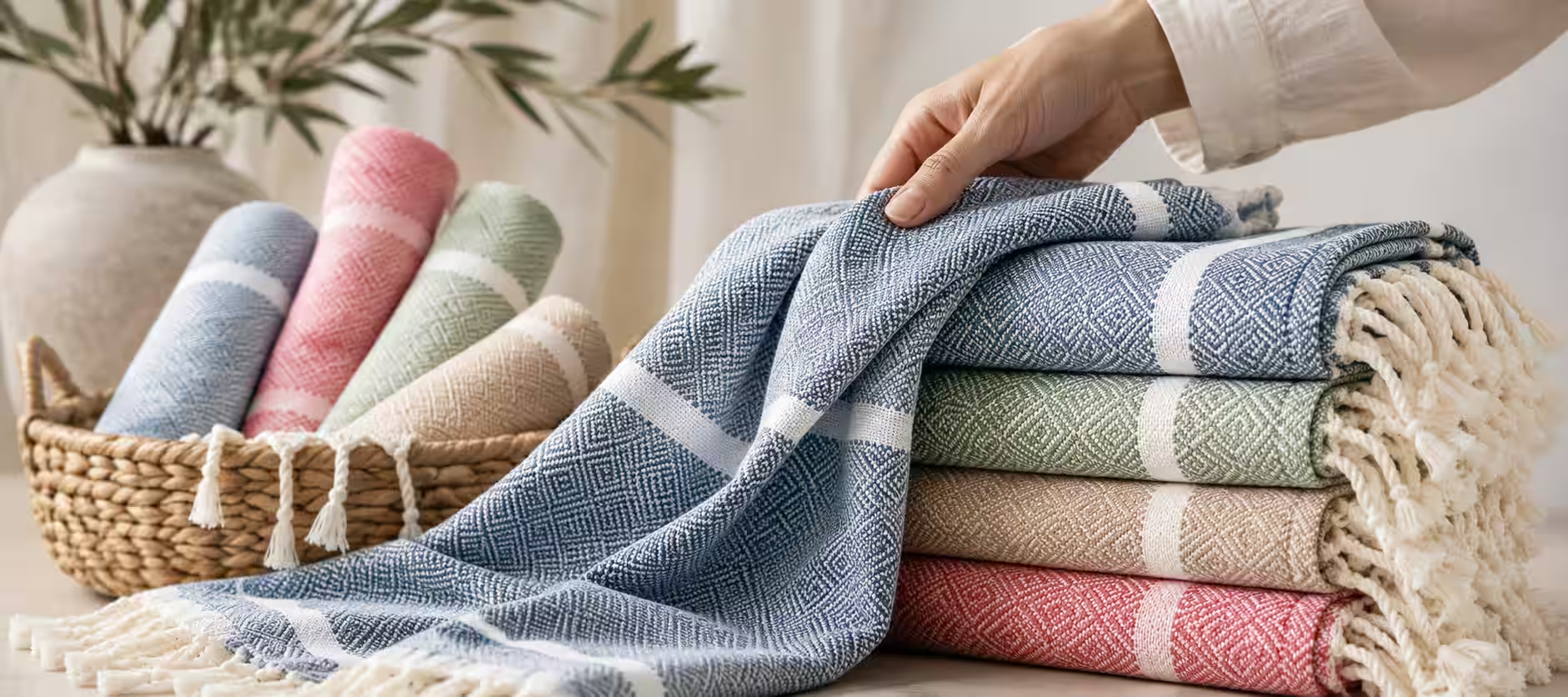
The traditional Turkish towel, known as a peshtemal (peştemal), developed alongside Türkiye’s hammam culture and became closely associated with bathing traditions during the Ottoman period.
Over time, this weaving heritage evolved into an industrial sector.
The material provided to Kohan Textile Journal highlights Bursa as one of the early centers of towel weaving, while Denizli later developed particularly strong expertise in towel and bathrobe production.
Today, Türkiye’s towel industry combines this historical knowledge with industrial-scale weaving, dyeing, finishing, embroidery and garment manufacturing.
The Republic of Türkiye Ministry of Trade identifies Denizli as the country’s main toweling manufacturing center and notes that producers in the region have developed an integrated industry around cotton towels and bathrobes.
This combination of tradition and modern manufacturing has helped turn the term “Turkish Towel” into an internationally recognized product identity.
Denizli: The Heart of Turkey’s Towel Industry
Any discussion about the top towel manufacturers in Turkey quickly leads to Denizli.
Located in southwestern Türkiye, Denizli has developed one of the country’s most important textile manufacturing clusters, particularly in towels, bathrobes and bed linen.
The scale of this cluster is significant.
According to the Denizli Exporters’ Association (DENİB), approximately 75% of Türkiye’s towel exports, 65% of bathrobe exports and 55% of bed linen exports originate from Denizli.
This concentration has created an entire textile ecosystem involving yarn suppliers, weaving mills, dyehouses, finishing facilities, sewing operations, packaging companies, designers, exporters and logistics providers.
It also gives international buyers access to manufacturers with very different capabilities, ranging from large integrated producers to specialized companies focusing on boutique, organic, hotel or private-label collections.
Turkey’s towel manufacturing ecosystem
The Ministry of Trade has previously identified more than 190 cotton towel and bathrobe manufacturers in Denizli alone, describing the concentration as a successful example of industrial cluster development. It also notes that a large majority of production from the region is exported internationally.
For buyers searching for towel manufacturers in Turkey, this concentration is one of the country’s biggest competitive advantages.
Turkish Towel Exports Remain a Major Business
Recent export figures demonstrate that towels remain an important component of Türkiye’s home textile industry.
Denizli exported approximately $412 million worth of towels in 2024, maintaining its national leadership in the category. The United States alone accounted for around $130 million of this figure.
The momentum continued despite difficult global market conditions. During the first 11 months of 2025, Denizli recorded approximately $410 million in towel exports, alongside $130 million in bathrobes and $250 million in bedding products.
This export orientation explains why many Turkish towel manufacturers have developed considerable experience working with international specifications, private labels and demanding retail and hospitality customers.
The United States is particularly important. In the first ten months of 2025, it represented around 33% of Denizli’s towel exports, according to DENİB.
What Makes Turkish Towels Different?
Cotton is one of the foundations of the industry’s reputation.
Türkiye has a long history of cotton cultivation and textile manufacturing, while Denizli’s proximity to the Aegean cotton-producing region has contributed to the development of its towel industry.
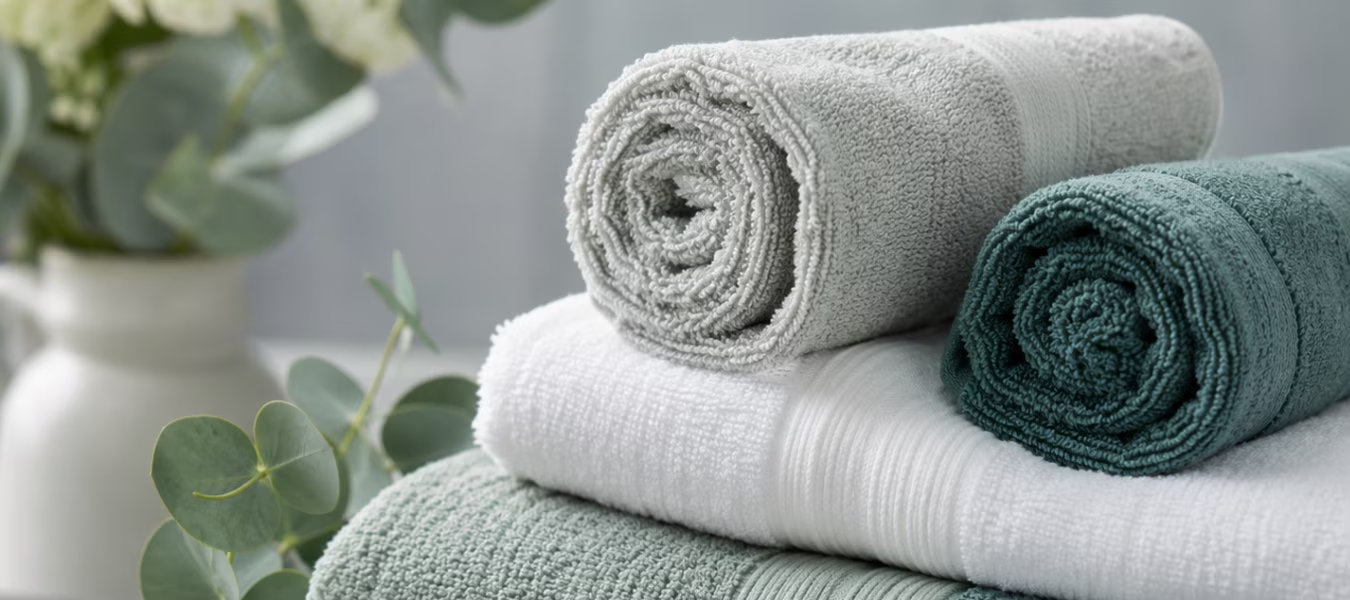
The Ministry of Trade specifically highlights softness, absorbency and pile density among the characteristics associated with Denizli’s cotton towels and bathrobes.
However, the competitiveness of Turkish towels today goes far beyond raw material.
Manufacturers have invested heavily in modern weaving, dyeing, finishing and confection technologies. Depending on the producer and target market, Turkish factories can manufacture everything from lightweight peshtemals to dense luxury terry towels, jacquard products, embroidered collections and hospitality textiles.
International buyers can also source customized products based on GSM, dimensions, yarn specifications, colour, weaving structure, finishing, branding and packaging.
This flexibility has helped Türkiye maintain its position between low-cost mass manufacturing and high-value European textile production.
From Turkish Hammams to International Hotels
Another strength of the Turkish towel industry is the diversity of its end markets.
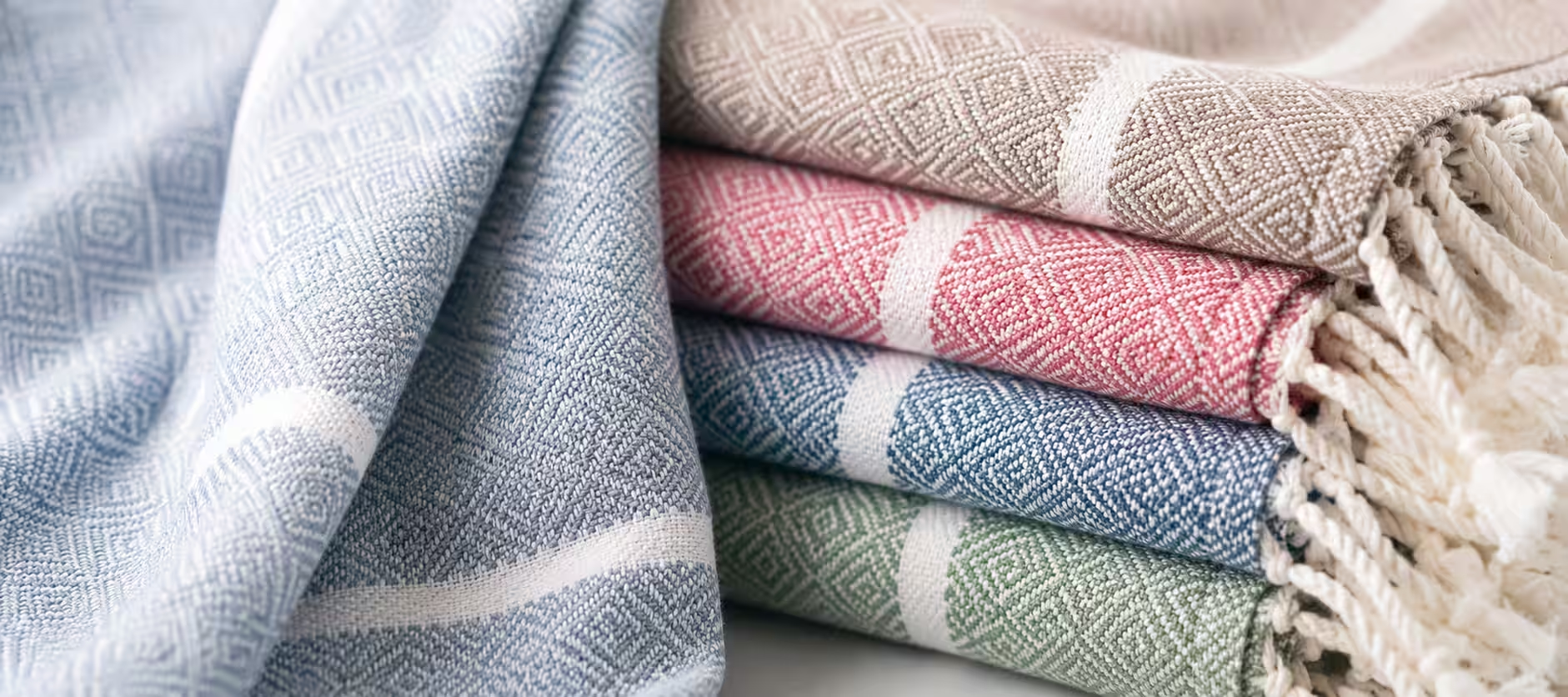
Turkish manufacturers produce conventional bath and hand towels, but their product portfolios can also include beach towels, kitchen towels, bath mats, bathrobes, peshtemals, baby products and complete hotel textile collections.
Hospitality has become particularly important.
Hotels and spas require products that combine comfort with durability and repeated industrial laundering. Türkiye’s established towel and bathrobe production infrastructure gives manufacturers the ability to serve this market alongside conventional retail.
The Ministry of Trade notes that Turkish towels and bathrobes from Denizli have established a presence in four- and five-star hotels internationally.
Read more: Turkish Towels and Bathrobes Make Their Mark in Luxury U.S. Hotels
Sustainability Is Changing Towel Manufacturing
Sustainability is also becoming an increasingly important competitive factor.
International brands are paying greater attention to fibre origin, water and energy consumption, chemical management, traceability, recycled materials and social compliance throughout their supply chains.
For Turkish manufacturers, particularly those exporting to Europe and North America, sustainability is therefore moving from a marketing advantage toward a basic requirement for international business.
DENİB has also identified sustainable production, design, quality and technical capabilities as central factors behind Denizli’s competitiveness in international home textile markets.
The future competitiveness of Turkish towel manufacturers will increasingly depend not only on how much they can produce, but on how efficiently, transparently and sustainably they can produce it.
Top Towel Manufacturers in Turkey
Türkiye has hundreds of companies involved in towel and home textile manufacturing, so defining an absolute ranking would be difficult without comparable audited production and export data.
The following should therefore be considered a selection of notable Turkish towel manufacturers, rather than a numerical ranking. The list can also be expanded as Kohan Textile Journal reviews additional producers.
1. OZANTEKS – Denizli

OZANTEKS is one of Türkiye’s major integrated home textile manufacturers, with a large-scale production infrastructure covering towels, bathrobes, bed linen and related textile products. The company operates 300 towel and fabric weaving looms and states an annual towel production capacity of approximately 30 million pieces.
Its manufacturing operations also include dyeing, printing, confection and other textile processes. OZANTEKS exports extensively to Europe, the United Kingdom, the United States, Russia, the Middle East and Africa. Its combination of industrial-scale production, integrated manufacturing and international market experience makes the company one of the notable suppliers within Türkiye’s export-oriented towel and bath textile sector.
| Website | www.ozanteks.com.tr |
| info@ozanteks.com.tr | |
| Phone | +90 258 371 64 00 |
| Address | Bozburun Mah. 7042 Sokak No:6, 20085 Denizli, Türkiye |
2. Zorel Textile – Denizli
Zorel Textile was established in Denizli in 1989 and developed from warping, sizing and weaving operations into an export-oriented manufacturer of towels, bathrobes and related home textile products. The company began exporting in 1996 and serves customers across markets including the United Kingdom, the United States and continental Europe.
Its facility includes dobby and jacquard weaving machinery together with automated and conventional confection equipment. Zorel reports weaving and ready-made production capacity of approximately 5.5 tonnes per day. Its product portfolio includes plain-dyed, yarn-dyed, jacquard, velour, printed, embroidered, waffle and knitted towels as well as bathrobes and hotel textile products.
| Website | www.zoreltekstil.com.tr |
| info@zoreltekstil.com.tr | |
| Phone | +90 258 385 72 07 |
| Address | Denizli OSB Mahallesi Vali Münir Güney Caddesi No:10, 20300 Honaz, Denizli, Türkiye |
3. Bahar Tekstil – Denizli
Bahar Tekstil has been active in Türkiye’s textile industry since 1960 and manufactures towels, bathrobes and a wider range of home textile products in Denizli. The company states monthly production capacity of approximately 300,000 kilograms of towels and bathrobes, alongside one million metres of fabric. Its portfolio also covers bedding, hotel textiles, kitchen textiles and corporate products.
Bahar operates the CLASS and MAJOLI home textile brands and has developed business in both domestic and international markets. Quality, customer service and on-time delivery form central parts of its positioning, while its production activities are supported by textile, quality, environmental and social-compliance certification systems.
| Website | www.bahartextile.com |
| info@bahartextile.com | |
| Phone | +90 258 269 26 01 |
| Address | Organize Sanayi 2. Bölge, Denizli, Türkiye |
4. Özer Tekstil – Denizli

Özer Tekstil was established in Denizli in 1990 and operates as an export-oriented towel and home textile manufacturer. The company reports that approximately 95% of its manufactured products are exported to more than 20 countries. Its production complex includes weaving, embroidery, confection and warehousing facilities, supporting a portfolio covering towels, bathrobes, kitchen textiles and bath mats.
Özer also develops customized towels through its internal design team, following seasonal colour and pattern trends for international customers. Its quality and compliance framework includes certifications and programmes such as BSCI, OEKO-TEX Standard 100, Better Cotton and ISO 9001:2015, supporting its work with international textile buyers.
| Website | www.ozertekstil.com |
| info@ozertekstil.com | |
| Phone | +90 258 371 10 44 |
| Address | Akçeşme Mah. Bozburun Cad. No:32/A, Gümüşler, 20085 Denizli, Türkiye |
5. Aline Textile – Denizli
Aline Textile is a Denizli-based Turkish towel producer with particular expertise in peshtemals, hammam towels, bath and beach textiles. The family-origin business produces peshtemal towels alongside terry towels, bathrobes, ponchos, beachwear and throws. Cotton is its principal raw material, and the company regularly develops new collections and customised designs in response to customer requirements.
Aline states that its products are supplied to customers in more than 30 countries, including the United States, Australia, Germany, Italy, the United Kingdom, Spain, Portugal and Canada. Its focus on flexible development and traditional Turkish towel constructions gives it a distinctive position within Denizli’s manufacturing ecosystem.
| Website | www.alinetekstil.com |
| info@alinetekstil.com | |
| Phone | +90 532 353 01 06 |
| Address | Akçeşme Mahallesi 2055/2 Sokak No:5/1A, Merkezefendi, Denizli, Türkiye |
6. SANKO Towel – Gaziantep
SANKO Towel is one of Türkiye’s major vertically integrated towel and bathrobe manufacturers and operates within SANKO’s extensive textile activities in Gaziantep. The company reports annual production capacity of approximately 5,500 tonnes and describes itself as one of the world’s largest manufacturers of towels and bathrobes.
Its integrated production begins with cotton selection and yarn manufacturing before progressing through weaving, dyeing and apparel operations. The company manufactures towels, bathrobes and mats, including customised products with embroidery and yarn or fabric dyeing. SANKO also reaches consumers through brands including EGERIA® and MAISONETTE®, while sustainability and socially responsible production form important elements of its manufacturing strategy.
| Website | www.sankotowel.com |
| info@sankohavlu.com | |
| Phone | +90 342 211 56 00 |
| Address | 3. Organize Sanayi Bölgesi, 83304 Nolu Cadde No:2, Şehitkamil, Gaziantep 27500, Türkiye |
7. Nesa Tekstil – Denizli

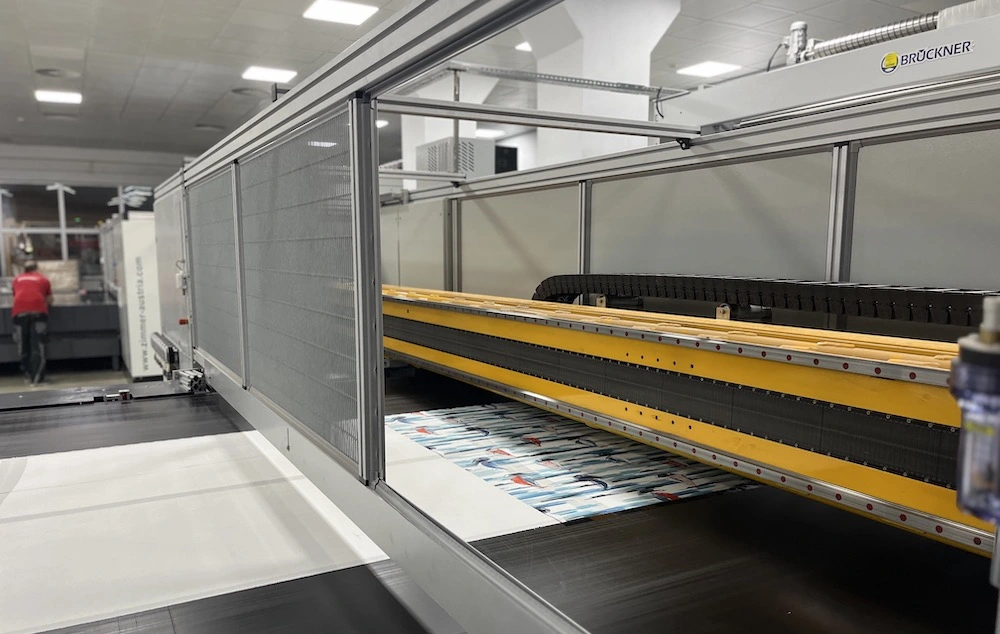
Nesa Tekstil is a Denizli-based towel manufacturer with vertically integrated production capabilities covering weaving, dyeing, testing and sewing. Its weaving facility includes modern air-jet and jacquard looms, and the company reports daily weaving capacity of approximately 22 tonnes, equivalent to around 1.1 million towels per month based on an average 500-gram towel.
Nesa also operates its own dyehouse laboratory for physical and colour-fastness testing, supporting quality control for international customers. In addition to its Turkish manufacturing base, the company maintains a showroom in New York. Its structure is particularly suited to export-oriented buyers seeking integrated towel development, manufacturing and quality-assurance capabilities.
| Website | www.nesatekstil.com.tr |
| ihracat@nesatekstil.com.tr | |
| Phone | +90 258 269 17 90 |
| Address | Organize Sanayi Bölgesi, Nevzat Koru Cad. No:6, 20330 Denizli, Türkiye |
8. Gökhan Tekstil – Denizli
Gökhan Tekstil has more than 30 years of experience in bathroom and home textile manufacturing and operates integrated production facilities in Denizli. Its bathroom textile portfolio includes towels, bathrobes, bath mats, peshtemals, kitchen towels and hotel towels. The company carries out both contract manufacturing for international customers and production for its own Soft Cotton brand.
According to Gökhan Tekstil, its products are exported to more than 50 countries across four continents. The company works with materials including Turkish Aegean cotton and cotton-modal qualities and combines manufacturing expertise with product development for retail, hospitality and home textile markets, giving it a broad international customer profile.
| Website | www.gokhan.com.tr |
| info@gokhan.com.tr | |
| Phone | +90 258 269 15 65 |
| Address | Organize Sanayi Bölgesi, Fahri Karaca Cad. No:13, 20330 Honaz, Denizli, Türkiye |
9. Hürsan Havlu – Denizli
Hürsan Havlu was established in Denizli in 1991 and operates a fully integrated textile manufacturing structure covering spinning, weaving, knitting, dyeing and confection. The company reports a total factory area of approximately 85,000 square metres and around 900 employees. Its principal products include towels and bathrobes, together with bath mats, kitchen home textiles, homewear and beachwear.
Hürsan also produces organic and Better Cotton products as well as combed, soft, micro and low-twist cotton terry qualities. The company is highly export-focused, supplying customers and retail chains internationally while also developing collections under its own brands, including BAVENO and Saphir.
| Website | www.hursan.com.tr |
| info@hursan.com.tr | |
| Phone | +90 258 269 11 14 |
| Address | Organize Sanayi 1. Bölge, Turan Bahadır Cad. No:10, 20330 Honaz, Denizli, Türkiye |
10. Makroteks – Denizli

Makroteks was founded in Denizli in 1993 and began textile production in 1995, initially operating four towel looms. Since then, the company has expanded into an integrated manufacturer of home and hotel textiles, producing towels, bathrobes, bath mats, kitchen towels, bedding and products for babies and children.
Makroteks made its first export to the United States in 1996 and today reports exports to customers in 27 countries. Its production line extends from weaving through finishing and packaging, while its international commercial infrastructure includes a U.S. office and a showroom in New York. The company also emphasises quality control, delivery reliability and sustainable manufacturing practices.
| Website | www.makroteks.com |
| info@makroteks.com | |
| Phone | +90 258 274 65 95 |
| Address | Akhan Mah. Atatürk Bulv. No:117, 20155 Denizli, Türkiye |
Why Turkey Will Remain Important in Global Towel Sourcing
Türkiye’s competitive advantage in towels is difficult to attribute to one factor alone.
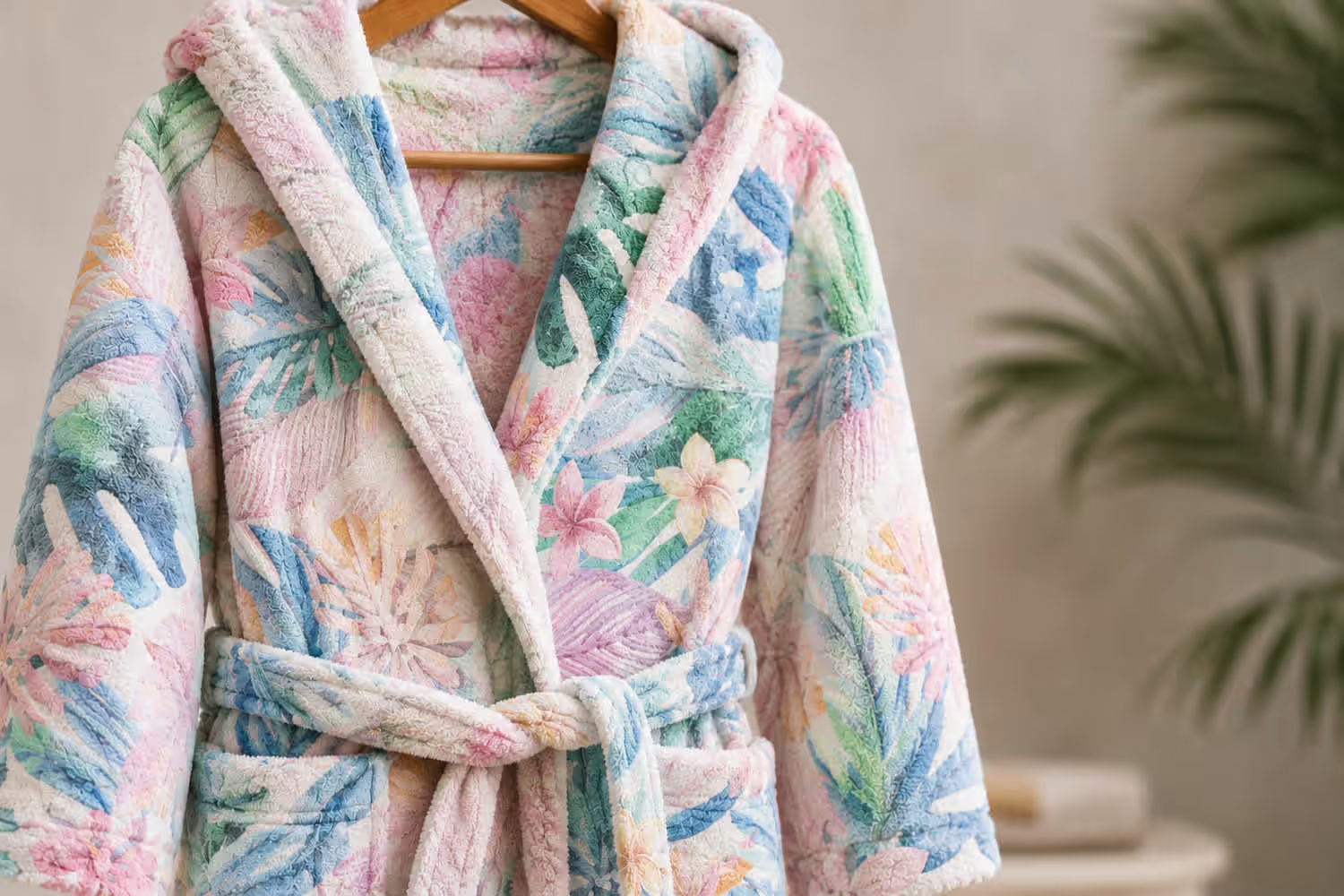
It comes from the combination of cotton, manufacturing knowledge, a mature supplier ecosystem, export experience, flexible production and the ability to move between traditional craftsmanship and industrial-scale manufacturing.
Denizli demonstrates what happens when this expertise becomes concentrated geographically. A city once known for traditional weaving has developed into an internationally connected home textile manufacturing cluster supplying some of the world’s most demanding markets.
For international buyers searching for towel manufacturers in Turkey, the country’s proposition is therefore broader than price.
Read more :Premium Products International, Inc. Expands Turkish Towel Sourcing Programs
It is about access to an established manufacturing ecosystem capable of producing everything from traditional Turkish peshtemals to sophisticated private-label, hospitality and premium towel collections.
And after centuries of evolution, the Turkish Towel remains not only part of Türkiye’s textile heritage, but also one of its most recognizable textile products in the global market.











