




At Colombiatex 2026, sustainability-driven solutions and alternative raw materials were among the most discussed topics. One of the companies actively positioning itself in this space is Pak Pamuk, a Turkey-based producer specializing in regenerated yarns.
In this interview with Mehmet Can Pamukçu, conducted by Behnam Ghasemi, the discussion explores the growing role of recycled yarns, competitive dynamics in global markets, and the untapped potential of South America.
Q: Could you briefly introduce yourself and Pak Pamuk?
My name is Mehmet Can Pamukçu, and we are participating from Uşak, Turkey. Pak Pamuk is a producer of regenerated yarns, manufacturing recycled yarns ranging from Ne 8 to Ne 30.
This is our first time attending Colombiatex, and overall, we find the exhibition quite promising in terms of potential business opportunities.
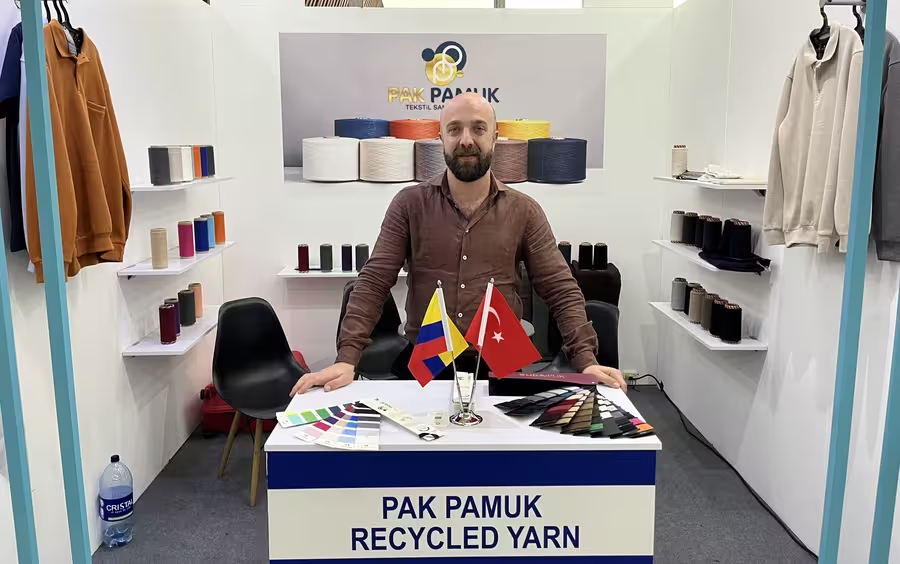
Q: How do you evaluate Colombiatex and your experience so far?
The exhibition itself is highly dynamic and well-attended. In fact, it feels even more crowded than some major fairs in Istanbul.
However, our booth location has been a significant limitation. We believe that with better positioning, the results could have been much stronger. Despite this, we still managed to establish around 8 to 10 meaningful contacts—which shows the underlying strength of the market.
Q: What is your impression of the Colombian and South American market?
South America represents a very promising and largely untapped market for us.
One of the key advantages of Colombiatex is that it acts as a regional hub. We met visitors not only from Colombia, but also from Ecuador, Chile, Brazil, and Panama. In a way, the entire region comes to you in one place.
This makes Colombia a strategic gateway to the broader South American market.
Q: What types of yarns are in demand in this market?
The demand is surprisingly diverse.
We received inquiries for a wide range of yarn counts—from Ne 10 to Ne 20—as well as different blends, including wool, acrylic, linen, polyester, and viscose blends.
This indicates that the market is still developing and open, with opportunities across multiple product segments rather than a single dominant category.
Q: How do you see competition in this region, especially with countries like China?
Competing with countries such as China, India, or Pakistan on price is extremely difficult due to cost structures.
Our approach is different—we focus on quality, reliability, and building strong relationships. Turkish producers have an advantage in terms of communication, flexibility, and trust, which can play a key role in long-term partnerships.
Price competition alone is not a sustainable strategy for us.
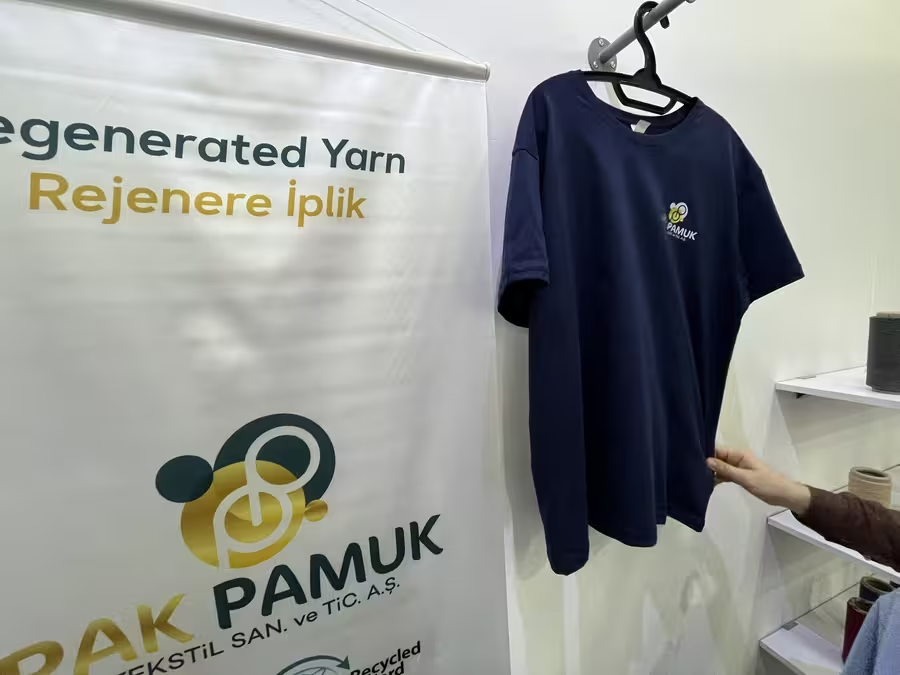
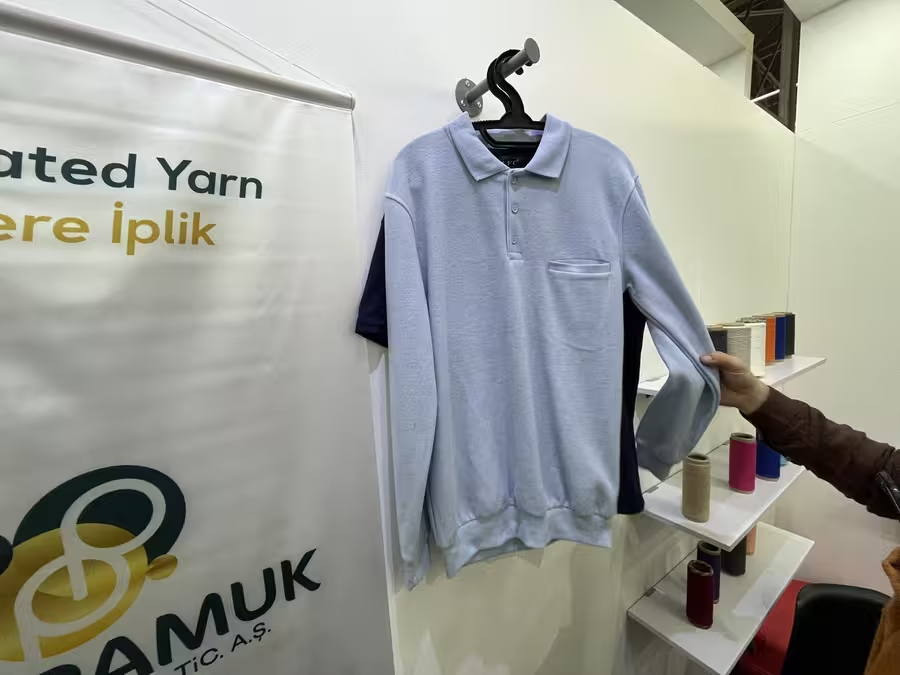
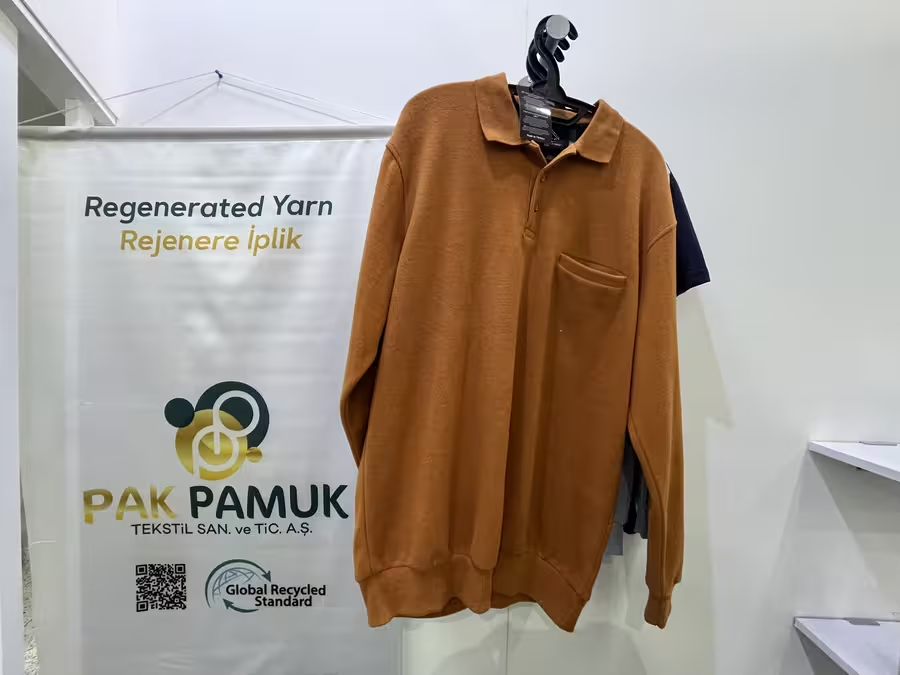
Q: Recycled yarns are gaining attention globally. How do you position your products in this trend?
There is still a misconception in the market that recycled or regenerated yarns are of lower quality. However, with today’s technology, it is often impossible to distinguish between recycled and virgin products—even for professionals.
In reality, we are transforming waste into valuable textile products. This is not only economically efficient but also environmentally critical.
Read more: Uster to Host Webinar on Quality of Recycled Yarns
We do not use water or additional dyeing processes in production, which significantly reduces environmental impact. At the same time, our products help reduce the need for virgin cotton—one of the most resource-intensive raw materials in the textile industry.
Q: Do you see sustainability as a competitive advantage for your business?
Absolutely.
As global brands increasingly require higher levels of recycled content, regenerated yarns are becoming more relevant than ever. In fact, many European brands are now pushing for 70–75% sustainable or recycled materials in their products.
This shift positions our segment as not just an alternative—but a necessity in the future textile value chain.
Q: How do raw material trends, such as cotton prices, impact your business?
When cotton prices rise, demand for recycled yarns increases significantly.
We essentially provide a cost-effective and sustainable alternative. Without recycled solutions, textile prices would be much higher. Our presence creates a balance in the market and offers buyers more flexibility.
Q: What is your outlook for recycled yarns in the future?
We strongly believe that regenerated yarns represent the future of the industry.
Advancements in technology now allow even short fibers to be transformed into high-quality yarns. This was not possible in the past. As technology continues to improve, the quality gap between recycled and virgin materials will continue to close.
Conclusion: From Waste to Value – A Strategic Shift in Textiles
Pak Pamuk’s participation in Colombiatex 2026 highlights a critical transformation within the textile industry: the shift from resource-intensive production to circular and sustainable solutions.
As global demand evolves, recycled yarns are no longer a niche segment—they are becoming a central pillar of the industry’s future.
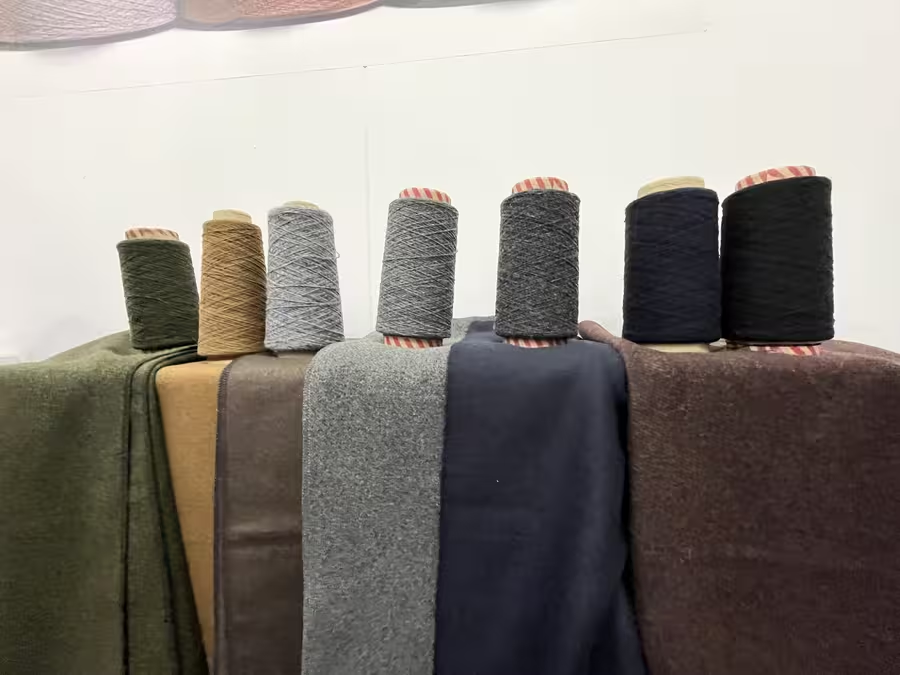
📌 This interview was conducted by Behnam Ghasemi with Pak Pamuk on the sidelines of Colombiatex 2026.
For Turkish companies looking to explore opportunities and establish a presence at Colombiatex 2026, it is strongly recommended to coordinate through the official representative of the event in Turkey, Kuzey Expo Fuarcılık. With its regional expertise and industry network, Kuzey Expo Fuarcılık provides comprehensive support to facilitate participation and maximize business outcomes in the Latin American market.
For further information and participation inquiries, you may contact:
Mobile: +90 546 576 55 00
Email: info@kuzeyexpo.com











