






Written by: Behnam Ghasmei – Editor in chief
High-value, distinctive and difficult-to-produce textiles could offer international manufacturers a smarter route into China than competing with its enormous mass-production capacity.
China is the world’s largest textile manufacturing powerhouse. Its enormous production capacity, highly developed supply chains and competitive manufacturing ecosystem make it extremely difficult for international textile companies to compete in basic fabrics and mass-produced products.
But during my visit to Intertextile Shanghai Home Textiles 2026, I came across an interesting example that showed another side of the Chinese textile market.
Perhaps the opportunity for international manufacturers is not to compete with China at what it already does extremely well, but to offer products that are difficult to find or produce locally.
A Turkish Fabric Tells an Interesting Story
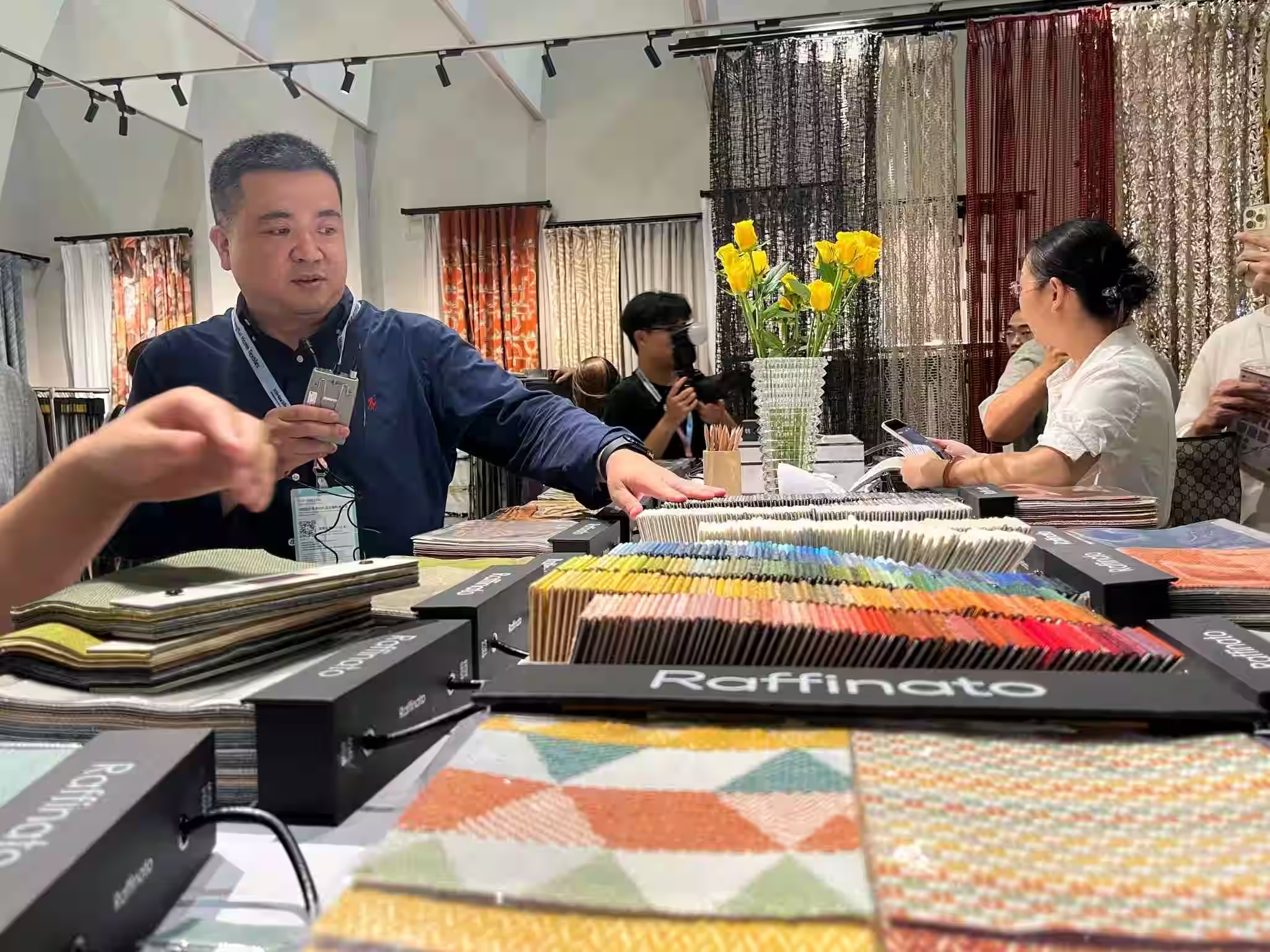
During the exhibition, I visited Raffinato, a Chinese agency specializing in luxury fabrics and representing selected international textile manufacturers.
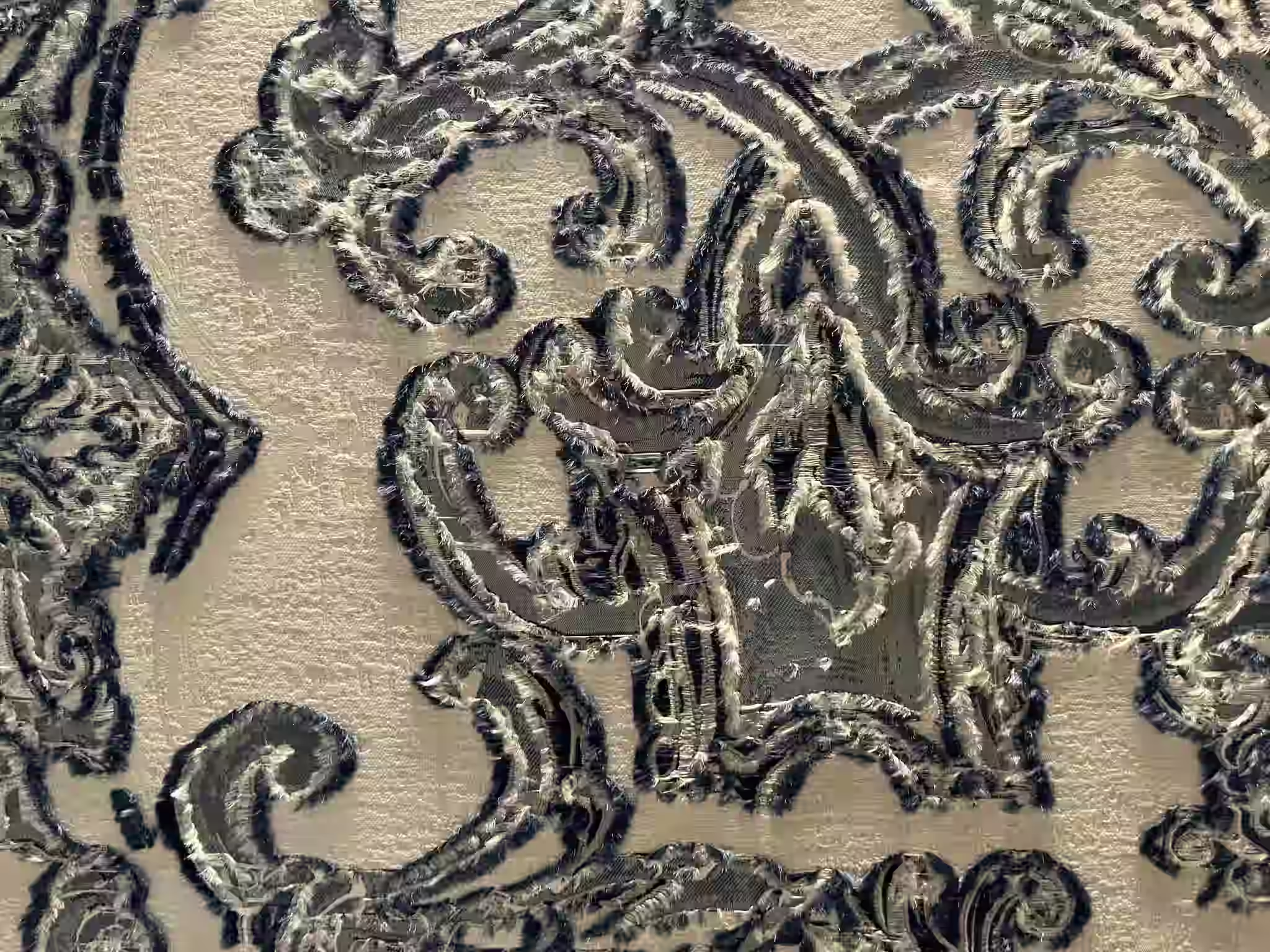
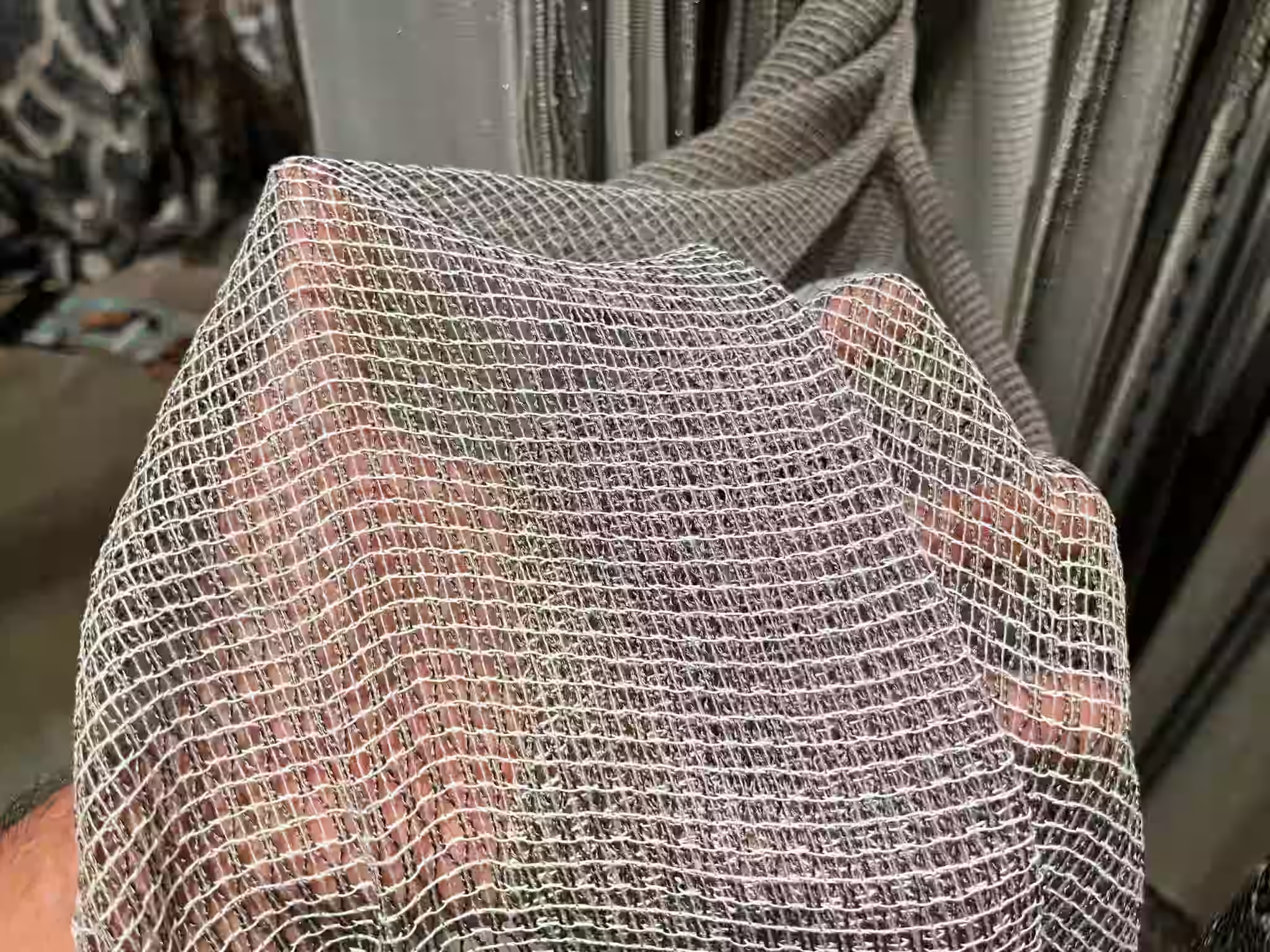
Among the collections on display were several fabrics from a Turkish manufacturer. One particular fabric caught my attention, and JP Wu, CEO of Raffinato, explained that it had received strong interest from Chinese customers.
According to Wu, the fabric is relatively difficult to produce, and there are very few comparable products available from local Chinese manufacturers. For Raffinato, working with the Turkish supplier therefore provides access to a differentiated product for which direct domestic competition is limited.
This is an important point for international textile manufacturers considering the Chinese market.
Entering China with another standard fabric and trying to compete on price, volume and production efficiency means entering an extremely difficult competitive environment. However, the situation can be very different when the product offers special design, sophisticated construction, unusual texture, advanced finishing or another characteristic that is difficult to reproduce.
Interior Designers Want Distinctive Materials
The opportunity becomes even more interesting when we look beyond textile trading and consider the needs of China’s interior design sector.
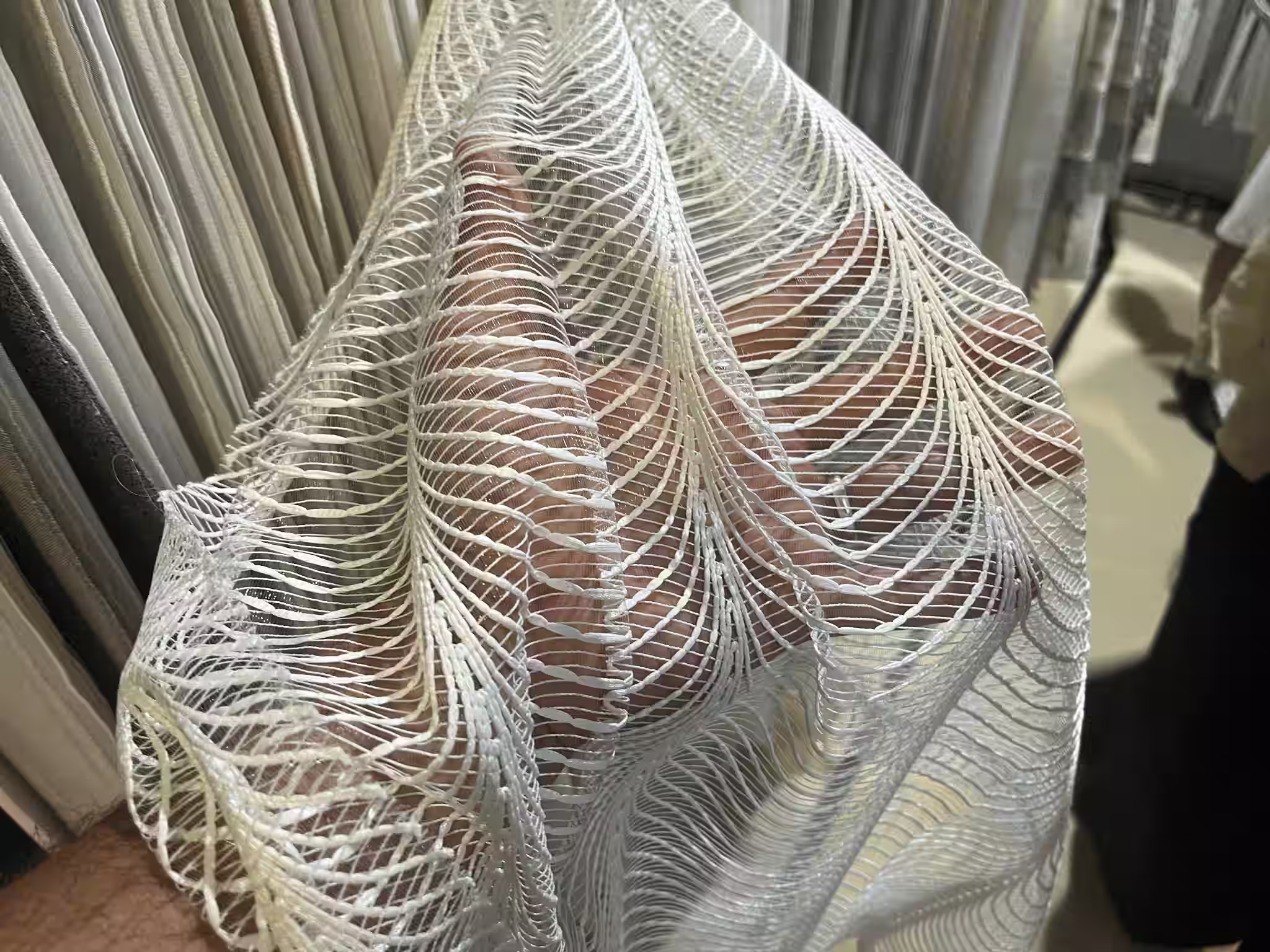
Bryon Lee, Senior Interior Designer and Founder of Order Design Studio, told me that distinctive fabrics are highly appreciated in interior design projects in China. According to Lee, many of these special fabrics are imported from countries in Europe, as well as the United States and Türkiye.
Chinese interior designers are particularly interested in these materials because of their diversity in colour, weave, texture and visual character.
These characteristics allow designers to move beyond standardized interiors and create spaces with a stronger identity.
For luxury residences, hotels and other high-end interior projects, fabric is not simply a functional material. Its texture, colour, construction and interaction with the surrounding interior can become an important part of the overall design concept.
This creates an opportunity for international textile manufacturers that can offer something genuinely different.
From Price Competition to Value Competition
China should not only be viewed as the world’s factory. It is also an enormous consumer market with sophisticated buyers and significant demand for premium products.
This is particularly relevant for manufacturers from countries such as Türkiye, Italy, Spain and other established textile-producing markets, where companies have accumulated considerable expertise in design, weaving, finishing and specialized textile production.
Instead of entering a price competition with Chinese manufacturers, these companies can potentially compete through design, craftsmanship, technical know-how, exclusivity and added value.
Of course, having a unique product alone does not guarantee success. Finding the right local partner, understanding Chinese preferences and building relationships with designers, distributors, project companies and other decision-makers remain essential.
The Raffinato example demonstrates why a knowledgeable local agent can also play an important role in identifying where an international product fits within the Chinese market.

What Should International Manufacturers Ask?
In my opinion, international textile manufacturers need to change the question they ask when considering China.
The question should not necessarily be:
“How can we compete with Chinese textile manufacturers?”
A more useful question may be:
“What can we offer that Chinese customers want, but cannot easily find or produce locally?”
The answer could be a highly sophisticated decorative fabric, an unusual weaving construction, a technically advanced textile, a special finishing technology or simply an exceptional combination of colour, design and texture.
When a product is difficult to replace, the conversation with the buyer also begins to move away from price alone.
That is where international manufacturers can find a much stronger position in the Chinese market.
Read more: Intertextile Shanghai Home Textiles Connects Global Buyers Beyond the Chinese Market
A Niche Market Can Still Be a Big Market
This strategy naturally leads toward more specialized segments rather than China’s enormous mass textile market.
We may call them niche markets.
But there is one important detail that international textile companies should not overlook:
We are talking about China.
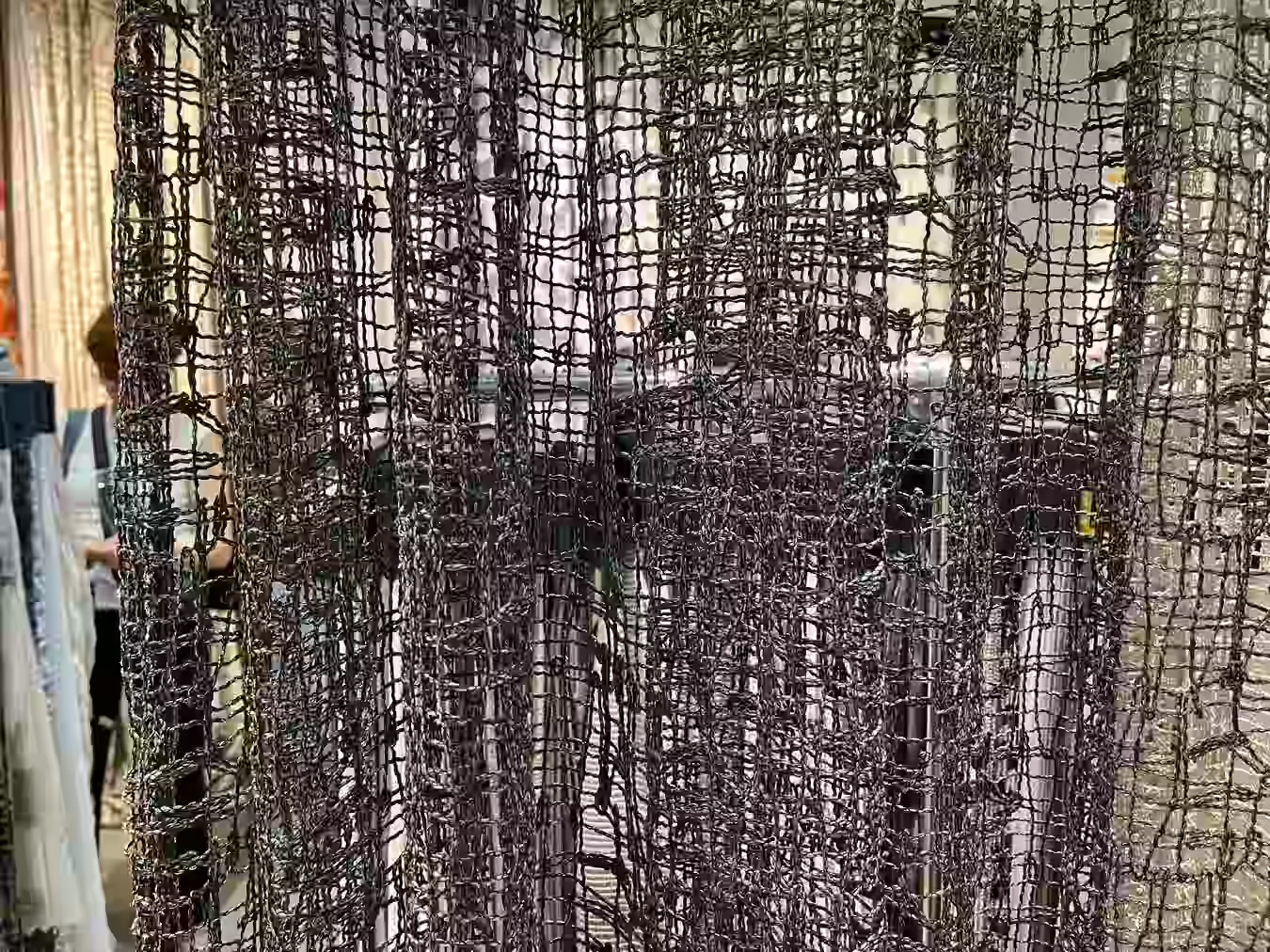
Even a relatively small niche within such a huge market can represent substantial business for a specialized textile manufacturer.
My visit to Raffinato at Intertextile Shanghai offered a simple example. The Turkish fabric was not attracting attention because it could be produced more cheaply than a Chinese alternative. It was attracting attention because it was different, difficult to produce and had limited direct competition.
For international textile companies looking for opportunities in China, perhaps that is the real lesson:
Don’t try to beat China at what China already does best. Find what the Chinese market wants but cannot easily find at home — and bring real value to that space.











