




Gen Z fashion is rewriting the rules of style with bold individuality, digital-native creativity, and a valiant mix of influences. Their fashion goes from streetwear drops to sustainable chic. This generation powers through self-expression by combining vintage nostalgia with futuristic polish. Their wardrobes are styled for both Instagram feeds and real-world impact while promoting inclusivity, eco-smart choices, and trendsetting aesthetics. For brands, engaging with Gen Z fashion means supporting authenticity, celebrating diversity, and delivering experiences as progressive as the generation itself.
What Is Gen Z Fashion?
Today, Gen Z makes up roughly one-quarter of the world’s population. Across continents, premium brands are thriving by adding trendy Gen Z Fashion into their collections that satisfy modern tastes.
Spanning ages 13 to 28, Gen Z now numbers nearly 60 million in the United States and approximately 1.8 billion people globally. That’s an entire generation of young consumers actively shaping their identities, forging emotional connections with the brands they trust, and laying the groundwork for lifelong loyalties and preferences that will define the marketplace for decades to come.
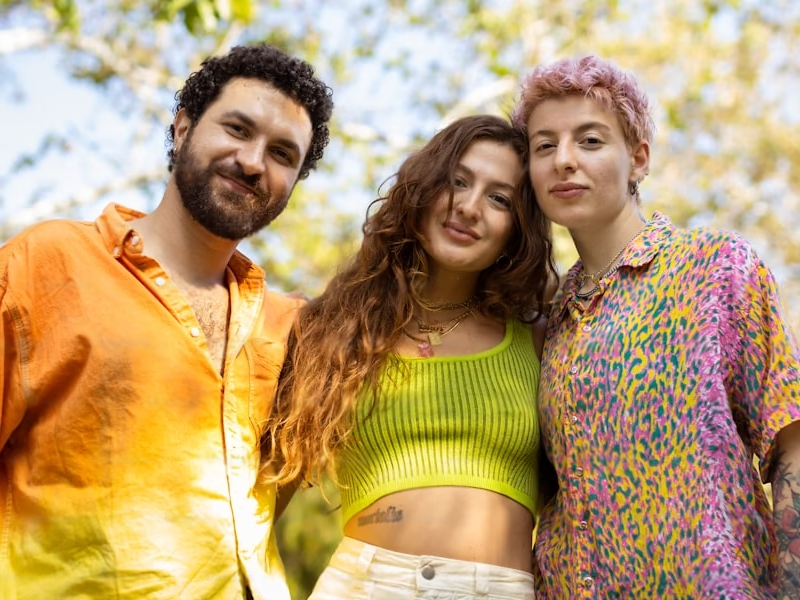
At this stage, a fresh generation of shoppers is reshaping the fashion division, forcing brands to rethink everything they thought they knew. The sleek minimalism and polished athleisure that once defined Millennial wardrobes are now shifting to slim fits, tailored blazers, and understated styling, which fall flat with Gen Z.
This generation rejects conformity and sameness; instead, they crave bold statements, varied mashups, and unapologetic selfhood. For them, fashion isn’t about blending in; rather, it’s about breaking through and being seen.
Read more: What is Fast Fashion?
What Is Gen Z Wear?
Gen Z Fashion is all about uniqueness, endurance, and digital influence. Unlike previous generations, Gen Z doesn’t follow a single dominant style. They mix vintage thrift finds with dashing Y2K throwbacks, oversized streetwear, and experimental digital looks. Their wardrobes often contain upcycled pieces, statement accessories, and maximalist prints, representing a desire to stand out rather than conform. Social media platforms like TikTok and Instagram play a huge role, turning micro-trends into global movements almost overnight.
Gen Z wear is defined by being wide-ranging, bold, and grounded in self-expression. They wear everything from loose-fitting streetwear and baggy jeans to retrospective early 2000s styles like low-rise denim, butterfly clips, and sequined tops.
Sustainability in Gen Z Fashion is highly influential, with repurposed goods, thrifted finds, and DIY customizations being staples. Comfortable athletic and leisure-like apparel, maximalist layering, and unisex outlines also define their wardrobes, making Gen Z fashion style a mix of rebellion, creativity, and conscious choices.
What Brands Do Gen Z Wear?
Gen Z gravitates toward brands that balance quality, trendiness, and distinctiveness. Their wardrobes often consist of both global giants like Nike, Adidas, Zara, and H&M alongside fast-rising disruptors such as Telfar, Princess Polly, and SKIMS.
Streetwear labels and athleisure staples dominate, but climate-aware innovators like Patagonia and PANGAIA also harmonize strongly, showing Gen Z’s demand for originality and ethical sourcing. Simultaneously, resale platforms like Depop and ThredUp have become part of the Gen Z brand ecosystem, offering thrifted finds and unique pieces that align with their sustainability values.
Urban Outfitters, White Fox Boutique, and Adanola capture their love for vintage nostalgia and celebrity-inspired aesthetics, while luxury names like Gucci and Balenciaga remain aspirational. Gen Z fashion is defined through the integration of mainstream merchandise, niche disruptors, and eco-forward innovators that are brands empowering them to make an impression while staying true to their values.
What Is the 3-3-3 Method for Clothing?
The idea underlying the 333 method is founded upon a single guiding principle that is selecting thirty-three items to make up your wardrobe for a three month period. This carefully crafted collection includes garments, accessories, outerwear, and footwear, while consciously excluding necessities such as undergarments, sleepwear, and athletic apparel.
By using this limitation, individuals are encouraged to prioritize versatility and invest in high quality pieces that truly mirror their personal style. In general, only nine items are needed to build an all-purpose wardrobe which is the proof by the 333 Method.
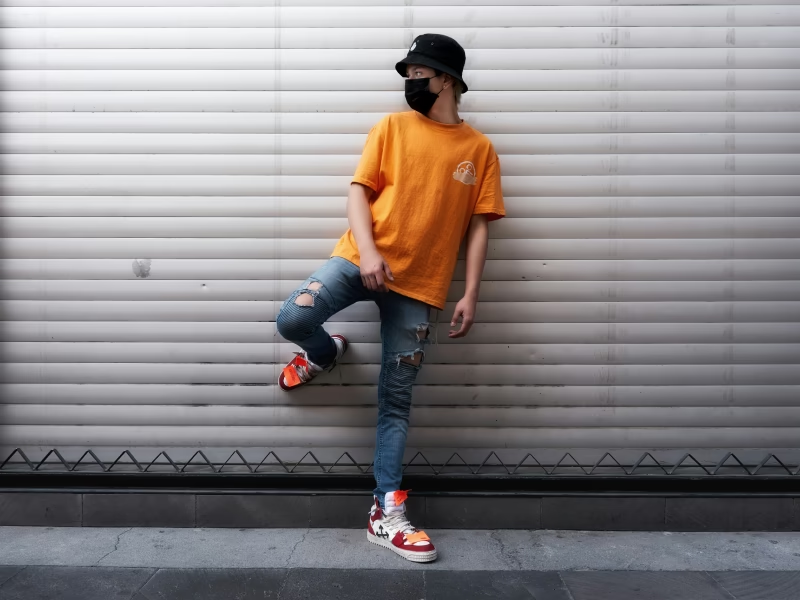
The 333 Method builds on the capsule wardrobe idea and focuses on simplicity. One popular variation, made viral by TikTok creator Rachel Spencer, challenges you to select three tops, three bottoms, and three pairs of shoes, then experiment with how many outfits you can make with just these nine items. This minimalist challenge illustrates how creativity and style can flourish within clear boundaries.
Since the origin of the method, Rachel has produced a series of videos demonstrating the flexibility of a minimalist wardrobe. By combining just nine carefully selected items, she illustrates how one can assemble as many as twenty-seven distinct outfits, which are a reminder of the combinatorial principles many of us first encountered in grade school mathematics.
This approach reframes minimalism as practical, elegant, and far from monotonous. The ability to generate such variety from a limited selection underscores the reduced need for constant deliveries, excessive consumption, or the tendency to overpack.
The ensembles derived from the 333 Method are picked with such intentionality and sophistication that they eliminate the pressure to introduce new garments into daily rotation. Ultimately, the method makes sure that a handful of usable, high-quality investment pieces are sufficient to sustain a stylish and functional wardrobe.
What Is the Fashion Trend for Gen Z?
Gen Z fashion in 2025 is defined by creativity, durability, and a mix of nostalgic and futuristic styles. This generation Cherishes self-identity through diverse combinations, often blending thrifted or vintage pieces with modern streetwear. Durability is central, with many choosing reinvented wearables, secondhand finds, and brands that favor ethical production. Y2K aesthetics remain strong, including think low-rise jeans, baby tees, and metallic accessories, while baggy clothing, gender-neutral fits, and statement maximalism dominate everyday wear.
Examples of popular Gen Z fashion trend outfits include wide-legged jeans paired with cropped tops, oversized hoodies with chunky sneakers, and boxy sweatshirts styled as unisex coordinates. Accessories such as bucket hats, butterfly clips, and layered metallic jewelry add playful flair.
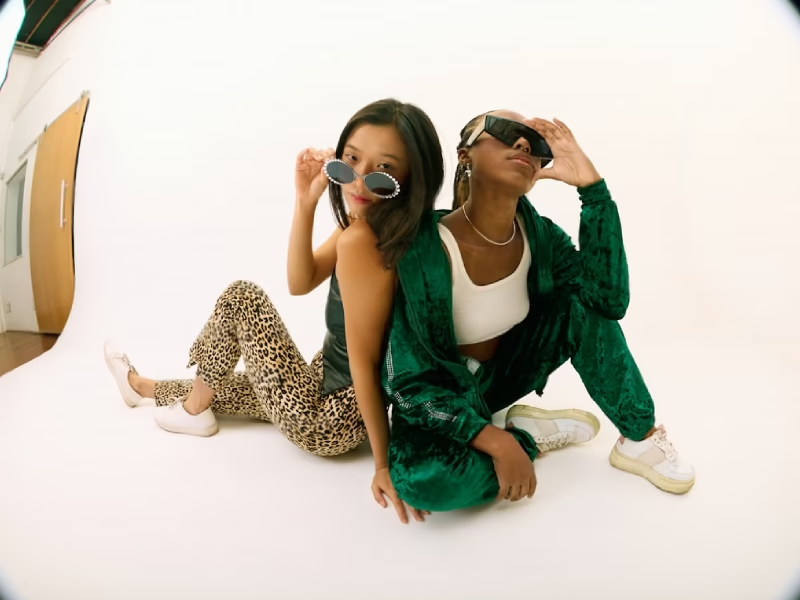
For more daring looks, Gen Z gravitates toward platform shoes, tie-dye patterns, and bold prints, often styled with thrifted jackets or vintage jerseys. The overall trend not much about following strict rules but more about mixing and matching pieces to create a personal, authentic style that feels both nostalgic and forward-looking.
Gen Z Fashion Trends in 2026
Gen Z fashion style in 2026 is all about fluidity, nostalgia, and digital inspiration. The generation continues to reject rigid style rules, blending non-binary shapes with Tech-powered wardrobes. Their fashion choices show values of artistic freedom, singularity, and cultural expression.
Gender-Fluid Fashion is about clothing being no longer bound by gender labels. Oversized shirts, flowy trousers, skirts styled on men, and structured jackets on women are mainstream. At the same time, Gen Z fashion style the Y2K revivals continue low-rise jeans, baguette bags, baby tees, metallics, and chunky highlights return, but with modern inclusivity and long-lasting twists. This generation also keeps a balance between quiet luxury and loud maximalism.
Gen Z outfits in 2026 display a lively fusion of gender-neutral styling, nostalgic revival, and tech-based creativity. Baggy blazers paired with wide-leg trousers and chunky sneakers entail a modern, all-body design, while baby tees matched with metallic mini skirts and baguette bags channel the playful energy of Y2K fashion.
Neutral-toned knit sets are elevated through dramatic neon sunglasses or glitter boots, striking a balance between minimalism and maximalist elegance. Streetwear springs from thrifted leather jackets layered over cargo pants and platform shoes, representing responsible consumption. In addition, AI-generated clothing mixes vintage denim with futuristic accessories such as smart jewelry or AR glasses, featuring Gen Z’s welcome of digital advancement in personal style.
Gen Z’s style in 2026 is less about following fashion houses and more about creating personal identity through clothing. Their wardrobes are unique, intentional, and deeply tied to digital culture and cultural norms.
What Is Gen Z Clothing Style?
Gen Z has undeniably reshaped the fashion trends in recent years, driving trends with both daring originality and vintage apparel. From introducing radical new concepts to resurrecting styles that once lingered in their older siblings’ memories, such as thinking about low-rise jeans and puka shell necklaces. This generation has firmly placed itself as the influence of what’s in and what’s out.
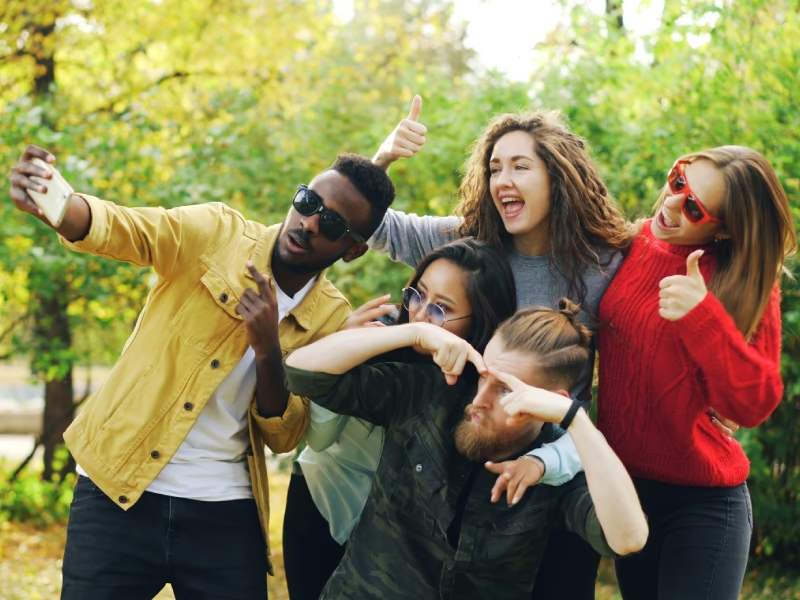
Gen Z streetwear takes cues from the hip-hop, sports, and rave scenes of the ’90s and early 2000s, holding a free-form approach that celebrates diversity. The style boasts loose staples like custom t-shirts, baggy pants, statement hoodies, and chunky sneakers, forming the foundation of a typical outfit. Gen Z Fashion is also breathing new life into vintage fashion, reviving ’90s grunge, ’70s chic, and ’60s mod aesthetics while infusing each style with its own contemporary characteristic.
What Is the Difference Between Gen Z and Millennials Fashion?
Millennial fashion and Gen Z fashion differ in both concept and aesthetic. Millennials, who came of age in the 2000s and early 2010s, often prefer polished, branded looks that hold professionalism with casual comfort, inclining more toward skinny jeans, athleisure, designer handbags, and minimalist basics that signal status and practicality.
Gen Z, on the other hand, has a far more diverse and experimental approach, drawing inspiration from ’90s grunge, Y2K nostalgia, streetwear, and thrift culture, while focusing on self-expressive clothing over brand prestige. Where Millennials leaned into customized “capsule wardrobes” and aspirational luxury, Gen Z strives to mix high and low fashion, universal-fit, all-gender outfits, and flashy statement accessories sourced in second-hand or upcycled to show a planet-positive outlook. At its core, Millennials sought union and polish, while Gen Z celebrates chaos, authenticity, and individuality as the ultimate markers of style.
Conclusion
Gen Z fashion pops because it’s not just about clothes but it’s about identity, values, and expressing yourself. Unlike previous generations that often followed set trends, Gen Z embraces personal touch, mixing vintage with modern and daring statements with casual comfort.











