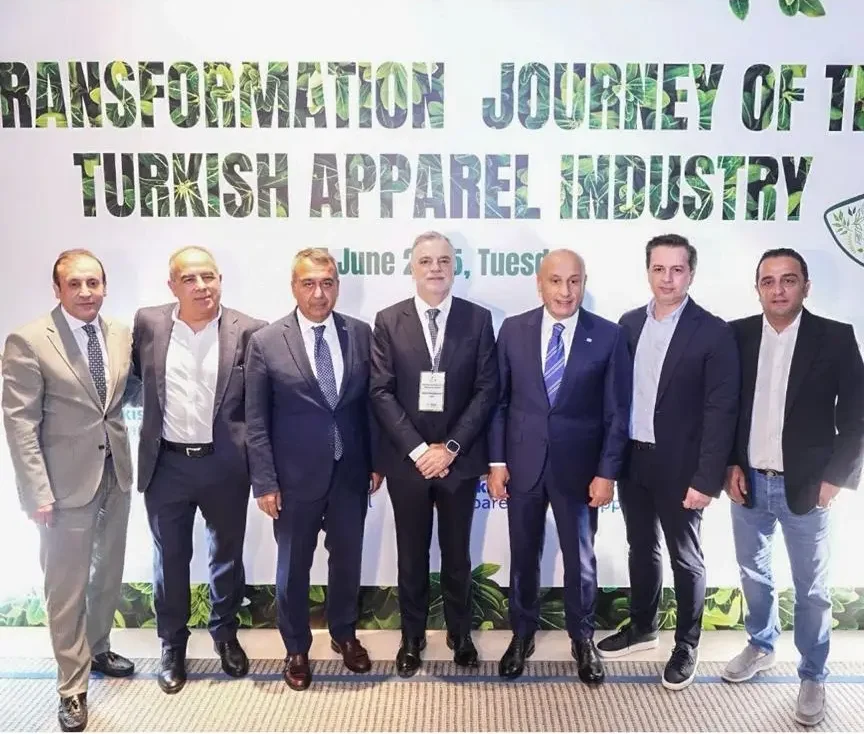
Istanbul, Türkiye – The Turkish apparel industry is calling for the rapid modernization of the EU-Türkiye Customs Union, citing outdated regulations that limit trade cooperation and hinder progress in digitalization and sustainability. The issue was a focal point during the ‘Transformation Journey of the Turkish Apparel Industry’ conference, held on June 17, 2025, at the Mandarin Oriental Bosphorus in Istanbul and hosted by the Istanbul Apparel Exporters’ Association (IHKIB).
TİM President Mustafa Gültepe stressed that the Customs Union, established in 1995, no longer meets the needs of the current trade landscape. “It limits rather than supports deeper cooperation between Türkiye and the EU,” he remarked.
Euratex President Mario Jorge Machado echoed these concerns, emphasizing the need to include services, digital trade, and sustainability standards in any updated agreement. He noted that Türkiye is the EU’s third-largest textile and apparel supplier, with over 40% of its textile exports destined for Europe. Euratex is pushing for swift action to reform the Customs Union to fully realize the potential of EU-Türkiye textile collaboration.
Despite regulatory challenges, Turkish manufacturers have made considerable strides in sustainability and digital transformation. Gültepe highlighted that €37 million in EU grants have supported local projects, including Türkiye’s involvement in the Midas Project within the European Digital Innovation Hubs (EDIH) Network.
Dirk Vantyghem, Euratex Managing Director, warned of the imminent regulatory overhaul under the European Green Deal, including eco-design requirements and digital product passports. Industry leaders agreed that adapting to these changes is essential for maintaining global competitiveness.
Cem Altan, President of the International Apparel Federation (IAF), criticized unsustainable procurement practices by global brands, warning that green investments could falter if price remains the sole focus.
From the US perspective, AAFA President Steve Lamar praised Türkiye’s strong artisanship and proximity to Europe, positioning it favorably amidst global supply chain shifts.
Euratex’s Machado concluded that regionalizing supply chains is increasingly strategic given geopolitical tensions, advocating for the modernization of Pan-Euro-Mediterranean rules of origin to strengthen regional textile value chains.