




Exclusive Interview with Muhammed Hartavi, Turkish Commercial Consul in Colombia
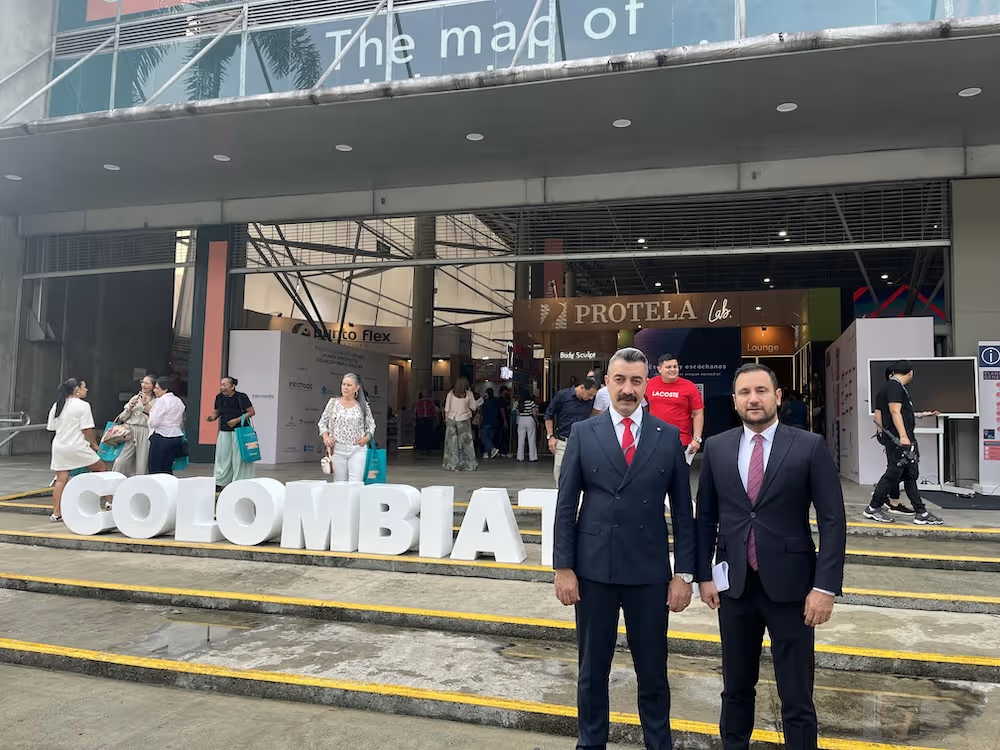
Interview conducted by Behnam Ghasemi during Colombiatex 2026, Medellín
Medellín, Colombia – During Colombiatex 2026, Behnam Ghasemi, Editor-in-Chief of Kohan Textile Journal, conducted an in-depth interview with Mr. Muhammed Hartavi, Turkish Commercial Consul in Colombia, to explore the real opportunities and structural challenges facing Turkish textile and apparel companies in the Colombian and broader Latin American market.
The discussion provided a strategic breakdown of the Colombian textile ecosystem, addressing yarn, fabric, apparel, and machinery — and offering a realistic assessment of where Turkish companies can compete effectively.
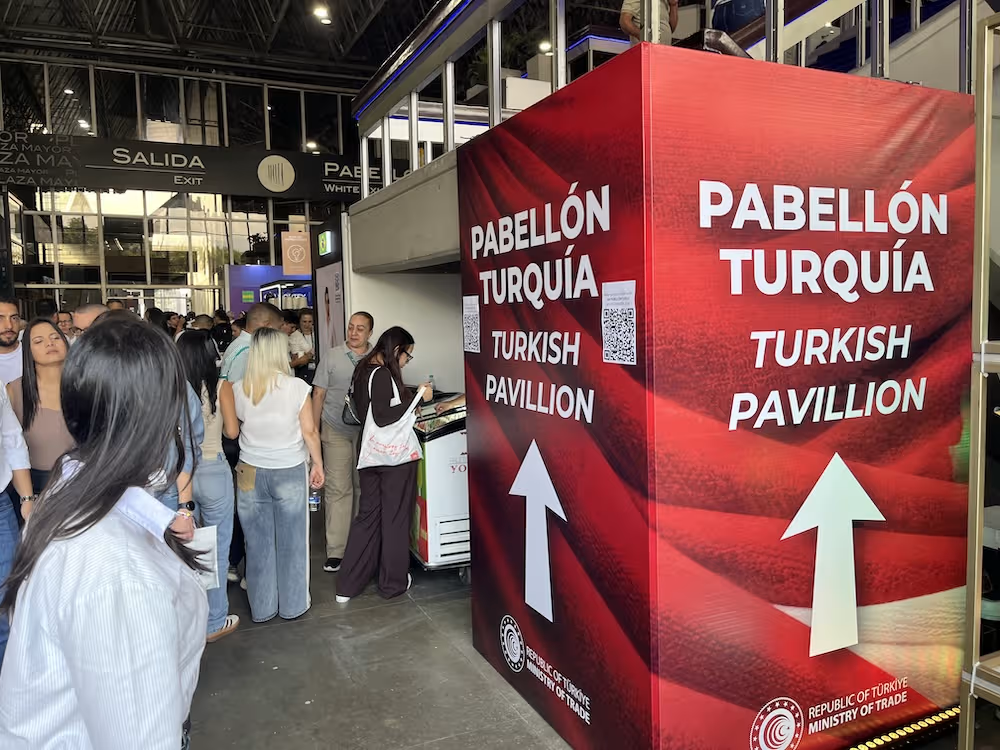
Breaking Down Colombia’s Textile Market: Three Strategic Segments
According to Mr. Hartavi, Colombia’s textile and apparel industry must be evaluated in three distinct categories: yarn, fabric, and ready-made garments (apparel).
Yarn: Limited Room for Expansion
Colombia has virtually no significant domestic yarn production and relies heavily on imports. However, the yarn market is largely dominated by Chinese and Indian suppliers, benefiting from low tariffs and competitive pricing.
“Turkish yarn producers can sell here, and some already do,” Hartavi noted, “but the market share potential is limited. The large portion of the pie is firmly in the hands of Asian suppliers.”
While niche opportunities exist, especially for higher-value yarns, the overall competitive space remains tight.
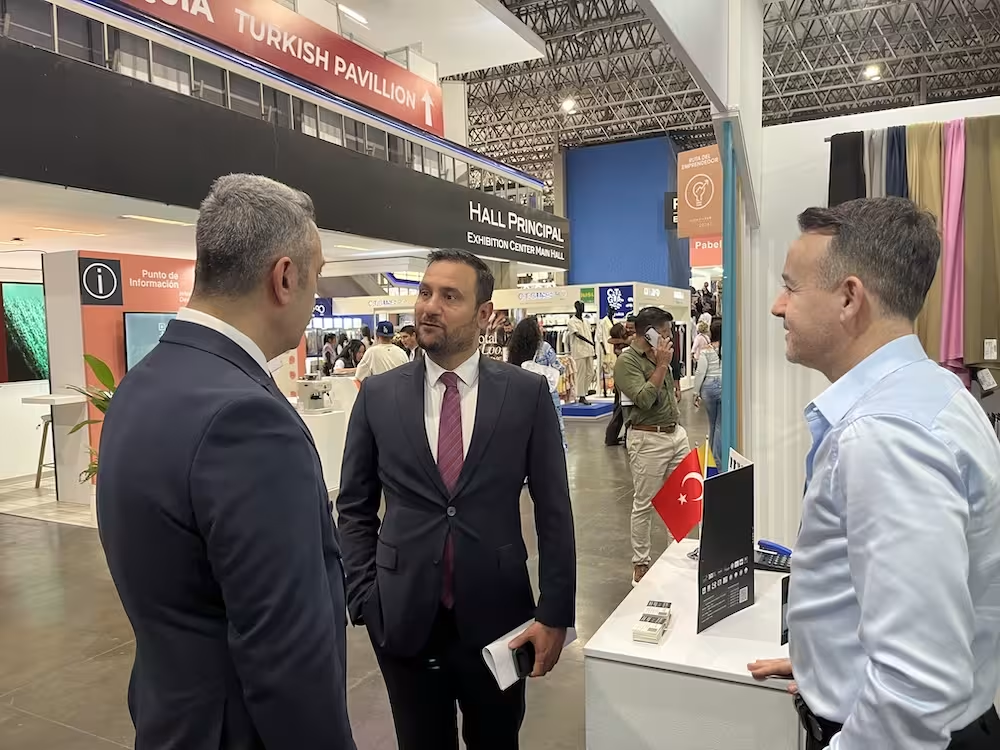
Fabric: Turkey’s Strongest Position in Colombia
In contrast, the fabric segment represents the most competitive and promising area for Turkish exporters.
Tariffs on fabrics are relatively low — generally between 0% and 10% depending on product classification — and Colombian buyers increasingly seek alternatives to Chinese sourcing.
Colombia’s market includes numerous small and medium-sized apparel brands that rely on imported fabrics for design and production. Many of these companies value:
- Faster lead times
- Fashion-forward collections
- Higher quality standards
- More reliable communication
“Fabric is where Turkey has the strongest hand,” Hartavi emphasized. “There is clear potential, and that is why most of our participating firms at Colombiatex are fabric manufacturers.”
With European demand softening and Turkey’s domestic market contracting, Hartavi expects Colombian demand for Turkish fabrics to grow further in the coming years.
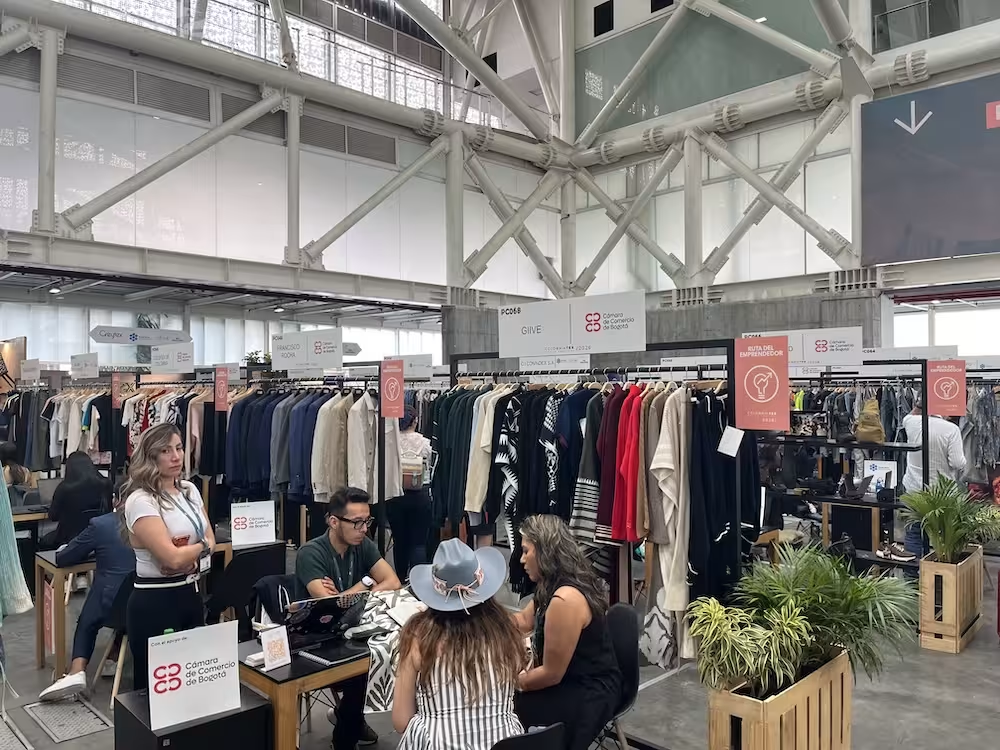
Apparel: A 40% Tariff Barrier
The most challenging segment is ready-made garments.
Colombia imposes additional customs duties that can reach 40% on imported apparel (Chapters 61 and 62). These measures primarily target Chinese imports but also impact Turkish exporters.
In contrast, apparel imports from countries with Free Trade Agreements (FTAs) with Colombia — including the European Union, the United States, and several Latin American countries — enter with preferential conditions.
This creates a structural disadvantage for Turkish apparel exporters.
“Large global brands may absorb the tariff costs and continue exports,” Hartavi explained, “but overall, Turkish apparel exports to Colombia remain well below potential.”
Home textiles present more favorable conditions, with lower tariff barriers and existing Turkish interest in the market.
Can Turkish Apparel Brands Enter Colombia?
Despite the tariff barriers, Hartavi believes opportunity exists — particularly through strategic local production.
Colombia offers:
- Lower labor costs compared to Turkey
- A growing domestic retail market
- High consumer prices for international brands
- Relatively weak competition in certain fashion segments
However, success would require adaptation.
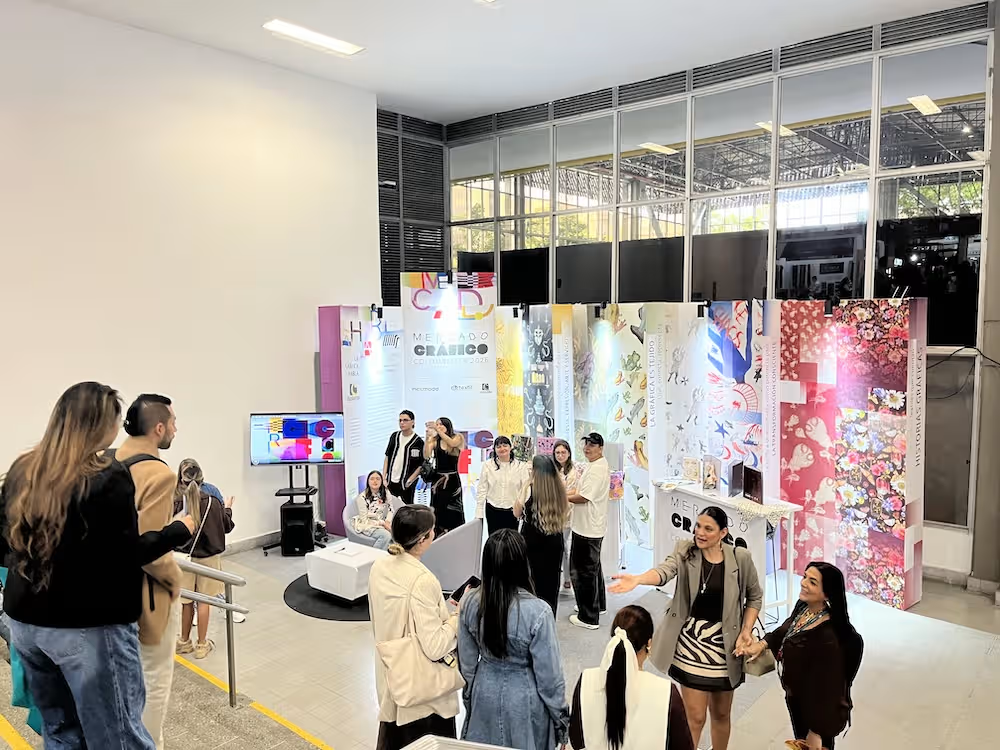
Key Challenges for Turkish Apparel Brands:
- Latin American body measurements differ from European sizing
- Product cuts and patterns must be adjusted
- The regional climate favors lightweight, breathable fabrics
- Product collections must reflect local taste
“This adaptation cost may discourage companies initially,” Hartavi noted. “But eventually, as regional pressures increase elsewhere, Turkish brands may need to consider Colombia seriously.”
Brands such as LC Waikiki and Mavi already operate in other Latin American countries like Peru and El Salvador. However, Colombia’s tariff structure creates a different dynamic.
Free Zones: A Strategic Solution
One of the most promising strategies discussed was establishing production in Colombian Free Trade Zones.
By producing locally:
- Companies can bypass the 40% apparel tariff
- Products gain Colombian origin status
- Export access opens to Latin America and the United States
Colombia is part of several regional trade frameworks, enabling duty-free access to neighboring markets. With a population base of 500–600 million across Latin America, the strategic importance becomes clear.
“If companies grant Colombian origin to their products,” Hartavi stated, “they unlock the entire region.”
Textile Machinery: Opportunity with Conditions
The interview also addressed the prospects for Turkish textile machinery exporters.
Hartavi noted that Italian machinery currently dominates the Colombian market. Turkish machinery is gaining presence but faces several operational barriers.
Key Requirements for Machinery Exporters:
- Adaptation to Colombia’s electrical standards (U.S.-based system)
- Compliance with ICONTEC certification standards
- Local after-sales service and maintenance networks
- Stock availability for demonstration and quick delivery
- Technical modifications for voltage and infrastructure compatibility
“Quality and price are not the problem,” Hartavi explained. “But companies must come with a long-term strategy — local service networks, spare parts, and certification compliance.”
Failure to meet technical requirements can result in customs rejection, demurrage costs, and costly product returns.
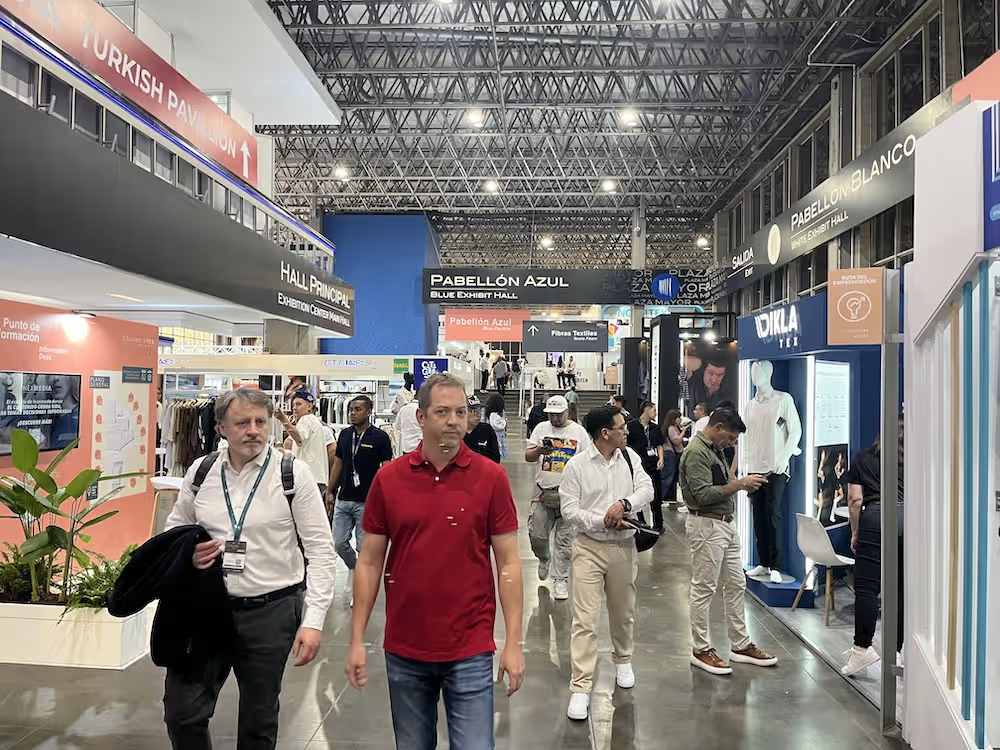
Bogotá’s Corferias exhibition center provides bonded logistics advantages for machinery demonstrations, though regulations vary by event location.
Long-Term Outlook
Despite current challenges, Hartavi expressed confidence in Colombia’s long-term strategic importance.
“As Turkish firms feel pressure in nearby markets, they will eventually look further. Colombia offers opportunity — but it requires adaptation, planning, and commitment.”
The consensus from the discussion was clear:
Fabric exports present immediate potential. Apparel requires strategic restructuring. Machinery demands infrastructure investment.
For companies willing to localize, Colombia may become not just a market — but a regional gateway.











