




BY LOUZEL LOMBARD STEYN
The fibre industry hopes to regain the glory of its golden days as international buyers and investors set their sights on sustainable fibre sources.
For a developing country with established mohair and wool industries, the scope for expansion is vast.
Earlier in October, SA’s wool industry participated in Europe’s Torino Fashion Match for the first time.
Cape Wools SA general manager Deon Saayman spoke at the event as part of a virtual Focus Africa segment with the aim of “creating awareness of the sustainability of the South African wool clip and generating interest in beneficiation in the wool pipeline in South Africa”.
He said the move signalled a significant boost for the country’s wool sector.
“It provides an important gateway to the European market and we intend to use this opportunity to expand South Africa’s wool exports to the European Union (EU).”
“Increasing the production and export of wool to Europe will be a game-changer for SA.”
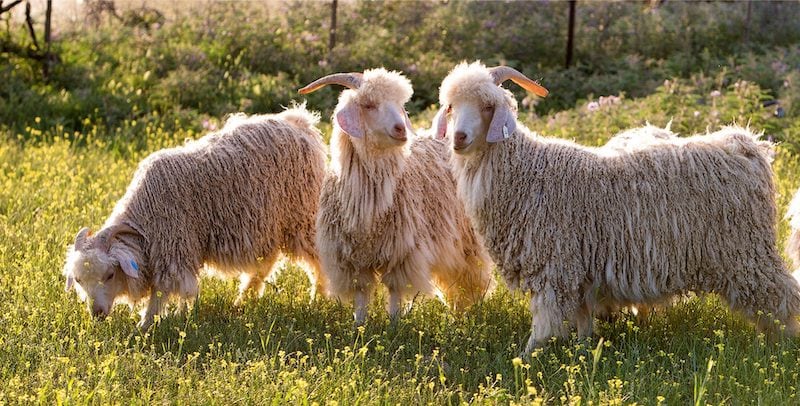
An inclusive approach targeting global marketing on one end, as well as community upliftment on ground-level, is sought to strengthen the industry.
The recent awarding of a R5m grant to the Free State’s Centre for Sustainable Agriculture, Rural Development and Extension (Censarde) hopes to empower communities to create a sustainable livelihood for communal wool farmers in the province in the long run.
According to Censarde senior lecturer and researcher Dr Jan Swanepoel, the world is moving from local and national markets towards a global system of trading.
This means that neighbouring farmers working on small plots of land may be competing with large industrial farmers from another country in a single marketplace.
“In order to meet the drive for greater commercialisation, new skills must be developed to support farmers in becoming better entrepreneurs,” Swanepoel said.
“Assistance towards infrastructure must be provided and the needs of farmers, such as market access, must be identified and catered for.”
On the other end, the use of African produce enables EU companies to manufacture sustainable textiles while African producers benefit from having reliable trading partners, Saayman said.
The EU is a critical trading partner for Africa and SA.
Federica Leonetti, of Unioncamere Piemonte and chair of the Textile and Fashion Sector Group for the Enterprise Europe Network, said the network would continue to identify Southern African organisations and companies to participate in its events.
“The aim is to lay the foundation for ever-closer collaboration with Southern African companies.
“The idea is to dedicate a full day to Southern African companies as part of Torino Fashion Week next year, providing them with the opportunity to realise commercial partnerships through the matchmaking event.
“We also want to continue in the far future with this huge engagement,” she said.
In the past year, the fibre industry has suffered not only because of the Covid-19 pandemic but also due to the after-effects of the US trade restrictions with the East as China’s production demand was slowed down significantly.
Diversifying the market and outsourcing SA’s wool to other countries has been crucial to survival.
The establishment of the Responsible Wool Standard (RWS) and Responsible Mohair Standard (RMS) in March this year made headways in establishing SA’s fibre crop as an appealing resource for high-end buyers such as Italy.
SA produces more than 50% of the world’s mohair and 2% of the world’s wool, the bulk of which is high-quality.











