




China’s wool textile industry has gradually resumed operations following the severe disruptions caused by the COVID-19 pandemic, but production levels and demand patterns remain significantly below pre-pandemic expectations. Although most factories have restarted their production lines, the sector continues to struggle with weak global demand, inventory accumulation, and structural shifts in the textile supply chain.
Production Recovery Continues but Industry Still Faces Structural Challenges
Recent industry assessments show that the operational recovery of wool textile mills has not yet translated into full production capacity. While many factories have reopened and resumed manufacturing activities, utilization rates remain far from normal levels.
According to a survey conducted among members of the China Wool Textile Association (CWTA), fewer than 40 percent of mills are currently operating at around 80 percent of their production capacity. Even more concerning for the industry is the fact that a large number of mills report utilization rates of below 50 percent, highlighting the ongoing imbalance between production capabilities and market demand.
This situation reflects a broader transformation occurring within the global textile industry, where supply chain disruptions, changing consumer behavior, and inventory corrections continue to influence production planning.
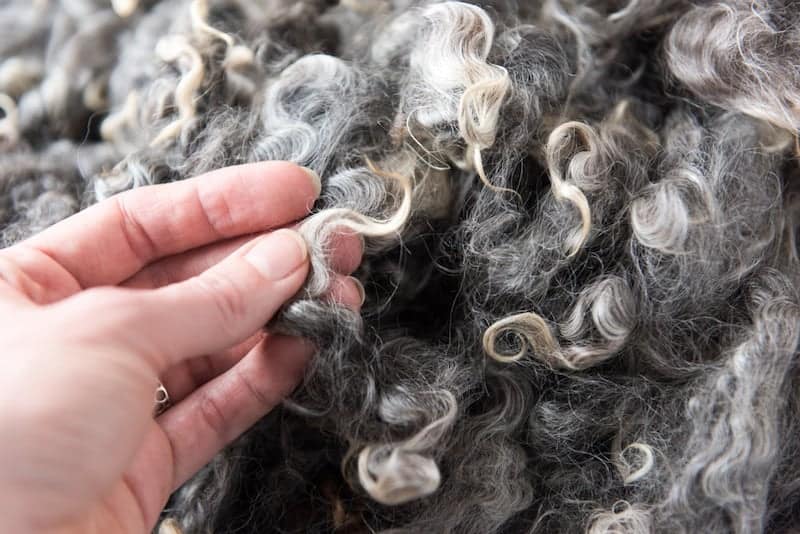
Wool Textile Production Declines in the First Quarter
Data released by China’s National Bureau of Statistics provides a clearer picture of the challenges facing the sector. In the first quarter of 2020, the Chinese textile industry—including wool textile manufacturing—achieved a work resumption rate of more than 85 percent.
However, the actual utilization of production capacity reached only 67.2 percent, a figure that was slightly higher than the national average for the broader manufacturing sector but still significantly below the previous year.
Compared with the same period a year earlier, production utilization declined by 10.5 percentage points, demonstrating the extent to which the pandemic disrupted industrial activity.
Production figures also illustrate the scale of the slowdown:
- Wool yarn output reached approximately 29,000 tons, representing a year-on-year decline of 26 percent.
- Wool fabric production fell to 58.22 million meters, marking a 24 percent decrease compared with the same period last year.
These figures highlight how deeply the pandemic impacted one of the world’s largest textile manufacturing ecosystems.
Changing Consumer Behavior Reshapes the Wool Market
Beyond the immediate production slowdown, industry experts believe that the pandemic has accelerated broader shifts in consumer preferences and supply chain structures.
For decades, wool has maintained a strong reputation as a premium natural fiber used in high-quality garments, knitwear, and interior textiles. However, the crisis forced many consumers and brands to rethink purchasing patterns, sustainability priorities, and product value.
Industry observers believe that this shift may actually open new opportunities for wool products.
The renewed focus on sustainability, traceability, and natural materials is expected to benefit wool in the long term. As global consumers become more aware of environmental issues and the lifecycle of textile products, natural fibers such as wool could regain strategic importance in the fashion and textile sectors.
The challenge for the industry lies in how effectively it communicates the intrinsic value of wool to the end consumer.
Experts argue that the industry must improve how the story of wool—its sustainability, durability, and performance—is translated into the final product experience.
Inventory Pressures Continue to Affect Market Dynamics
Another factor weighing on the wool textile industry is the buildup of unsold inventory across the value chain.
During the height of the pandemic, retail store closures and supply chain interruptions created a significant accumulation of finished garments, yarn stocks, and fabric inventories.
Even after manufacturing resumed, many brands and retailers delayed new orders in order to reduce existing stock levels.
As a result, yarn producers and textile manufacturers experienced a prolonged slowdown in demand.
Many spinning mills report that yarn exports declined sharply during the pandemic period, while domestic demand has been recovering only gradually.
For manufacturers operating in highly specialized segments such as wool knitting yarns, the situation has been particularly challenging. The temporary shutdown of retail stores earlier in the year resulted in a large stockpile of unsold knitwear products, which in turn reduced the need for new yarn orders.
Industry insiders say this inventory correction cycle is still ongoing.
Textile Factories Adapt Production Strategies
Faced with declining orders in traditional product segments, some textile manufacturers in China have adapted their production strategies.
Several medium-sized mills, particularly in key textile provinces such as Jiangsu and Zhejiang, temporarily converted part of their production capacity to the manufacturing of protective equipment such as masks and PPE during the peak of the pandemic.
This shift allowed companies to maintain operational stability while responding to urgent global demand for protective products.
However, such adjustments were largely temporary solutions rather than long-term strategic changes.
As global markets gradually stabilize, many companies are now attempting to return to their core textile product lines.
Nevertheless, the experience has demonstrated how quickly manufacturing systems can adapt when faced with sudden changes in market conditions.
Impact on Global Wool Supply Chains
The slowdown in Chinese wool processing has also had implications for global wool supply chains.
China is one of the world’s largest processors of imported wool, particularly from countries such as Australia and New Zealand. When Chinese mills reduce production, the effects are felt across the entire wool industry—from sheep farmers to exporters and traders.
Industry participants estimate that Chinese demand for imported wool could decline significantly during periods of reduced textile production.
This dynamic illustrates how closely interconnected the global wool industry has become. A slowdown in manufacturing activity in China can quickly influence wool prices, export volumes, and supply chain planning worldwide.
Carpet and Interior Textile Segments Also Face Pressure
In addition to apparel textiles, the wool sector also serves industries such as carpets and interior decoration.
However, demand in these segments has also weakened during the pandemic period.
The slowdown in the real estate market in China has reduced demand for carpets and interior furnishings, further affecting wool consumption.
Manufacturers producing carpets for both domestic and export markets have reported order cancellations and reduced demand from international clients.
Some producers also note that demand for certain wool-based fabrics used in interior decoration has stalled due to the broader slowdown in construction and renovation activities.
Gradual Recovery but Uncertain Outlook
Despite these challenges, there are early signs that the wool textile sector may gradually stabilize as global markets recover.
Manufacturers report that business discussions and inquiries have begun to increase, suggesting that brands and retailers are slowly rebuilding their supply chains.
Nevertheless, uncertainty remains.
The speed of recovery will depend on several factors, including global economic conditions, consumer confidence, and the pace at which retail inventories are cleared.
For many textile producers, cautious optimism is beginning to replace the deep uncertainty that characterized the early months of the pandemic.
The Future of Wool in a Changing Textile Industry
Looking ahead, many industry experts believe the future competitiveness of wool will depend on how effectively the industry adapts to new market realities.
Sustainability, transparency, and product innovation are expected to play increasingly important roles in shaping consumer demand.
Natural fibers such as wool have strong environmental credentials, but the industry must continue to communicate these benefits clearly to brands and consumers.
In a textile market increasingly driven by responsible production and circular economy principles, wool may find new opportunities for growth.
The key challenge will be transforming traditional supply chains into more agile and value-driven systems capable of responding quickly to changing market conditions.

What Do You Think?
The global wool textile industry is entering a new phase of transformation.
How do you see the future of wool in the textile and fashion industries?
Do you believe natural fibers will gain stronger market share as sustainability becomes more important?
We invite readers of Kohan Textile Journal to share their thoughts and experiences in the comments section below. Your perspective helps shape the conversation about the future of the global textile industry.












Hello I’m tumo molahlehi from KTM wool and mohair BROKER PTY LTD lesotho we’re in the raw sheep’s wool business so we’re looking for the buyer method of payment we need L/C or T/T we can supply from one 40feet container upwards for more information call CEO directly here +26658505586/email tumoph@gmail.com/tmolahlehi@ktmwool.co.ls