




The 31st Iran International Textile Exhibition (IranTex), held alongside the 13th Iran Mode Apparel Exhibition, took place in Tehran amid challenging economic and social conditions—conditions that significantly overshadowed the event’s commercial impact.
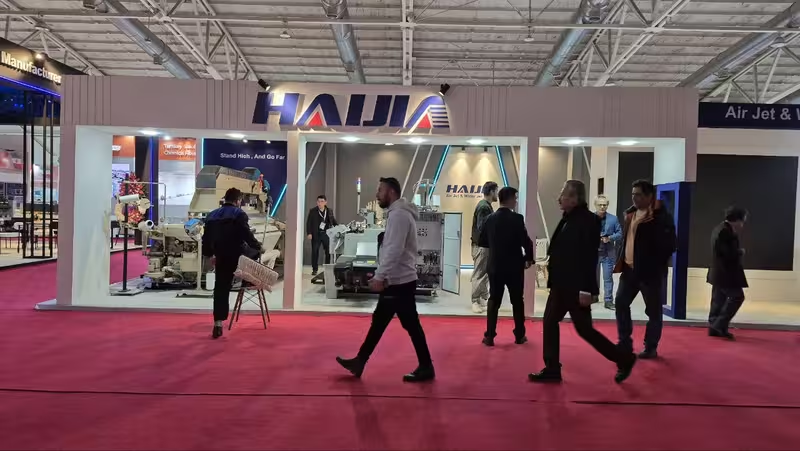
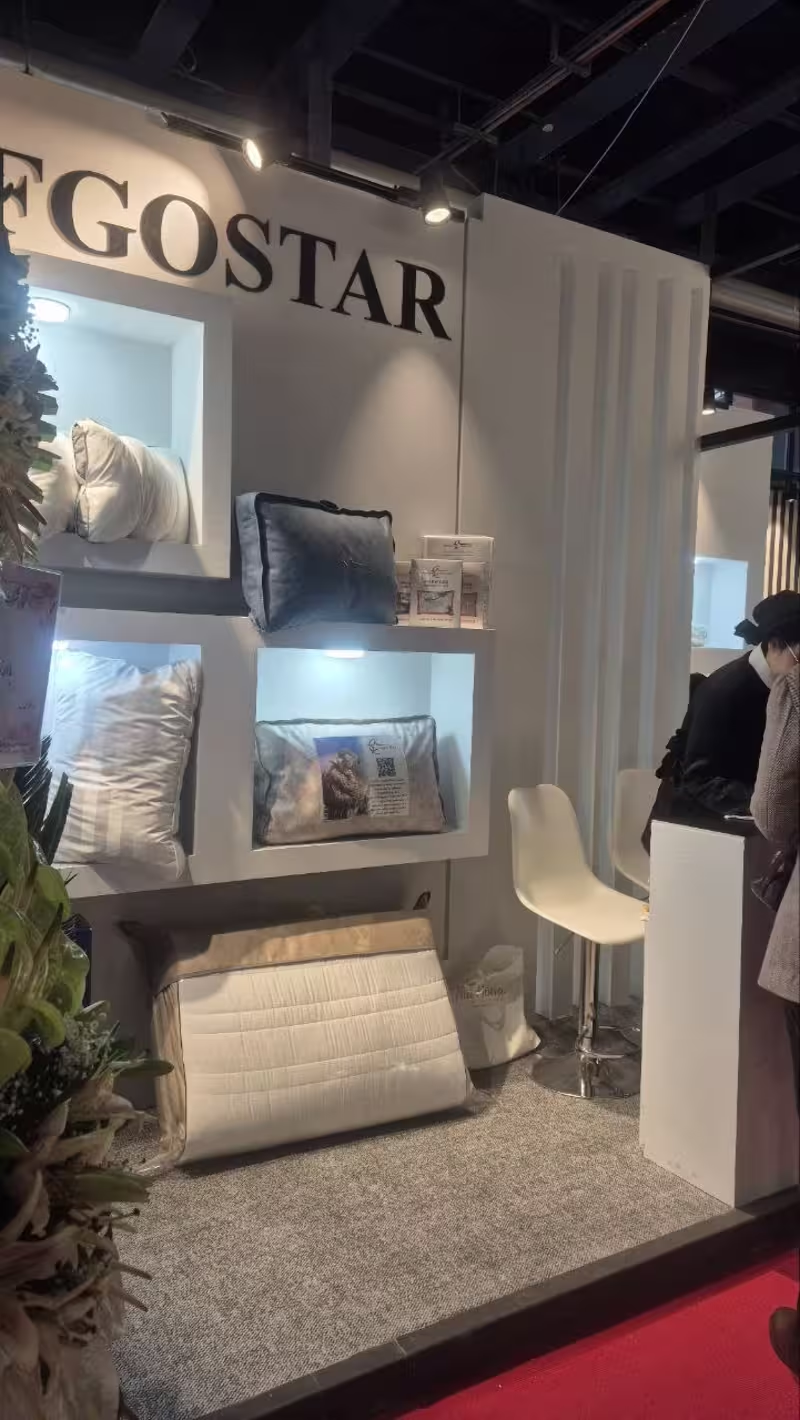
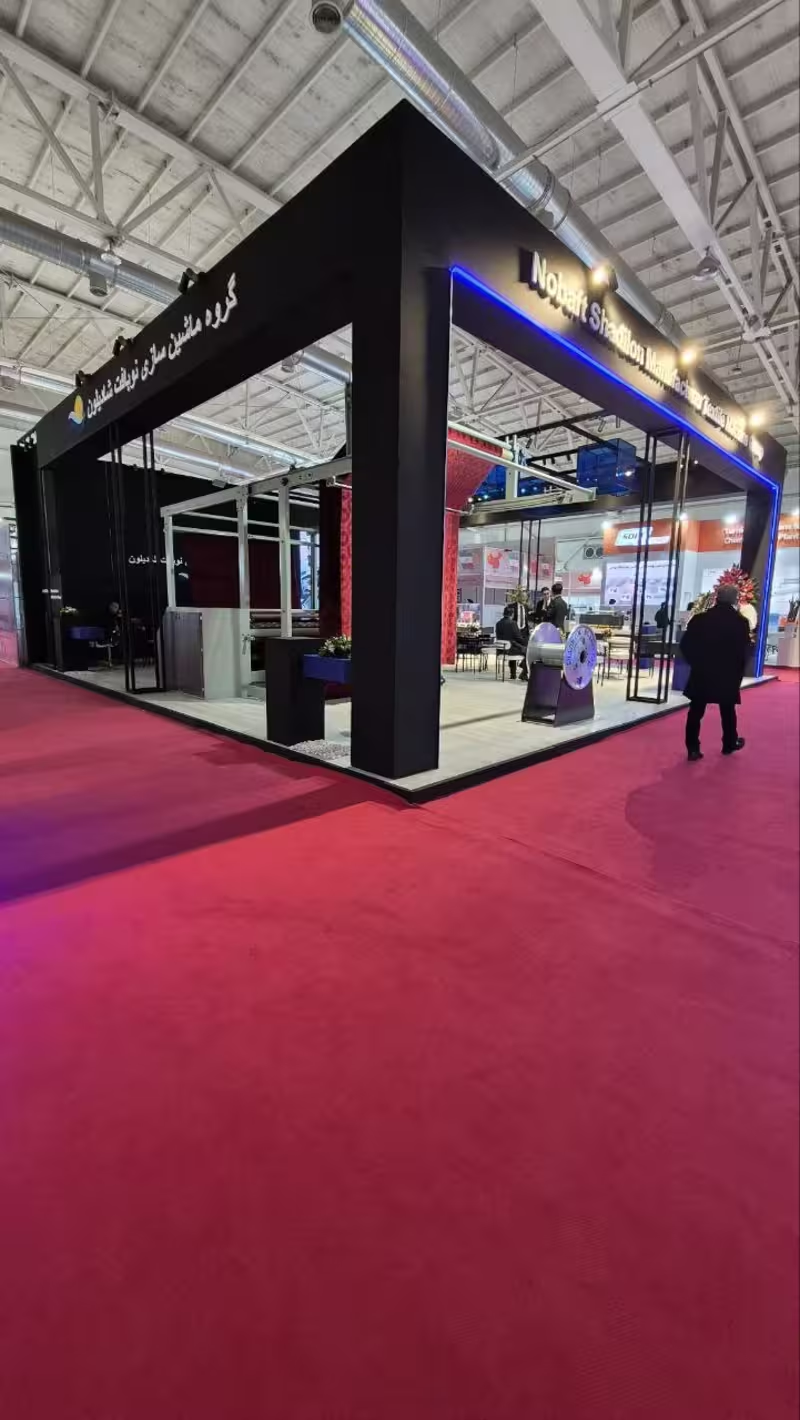
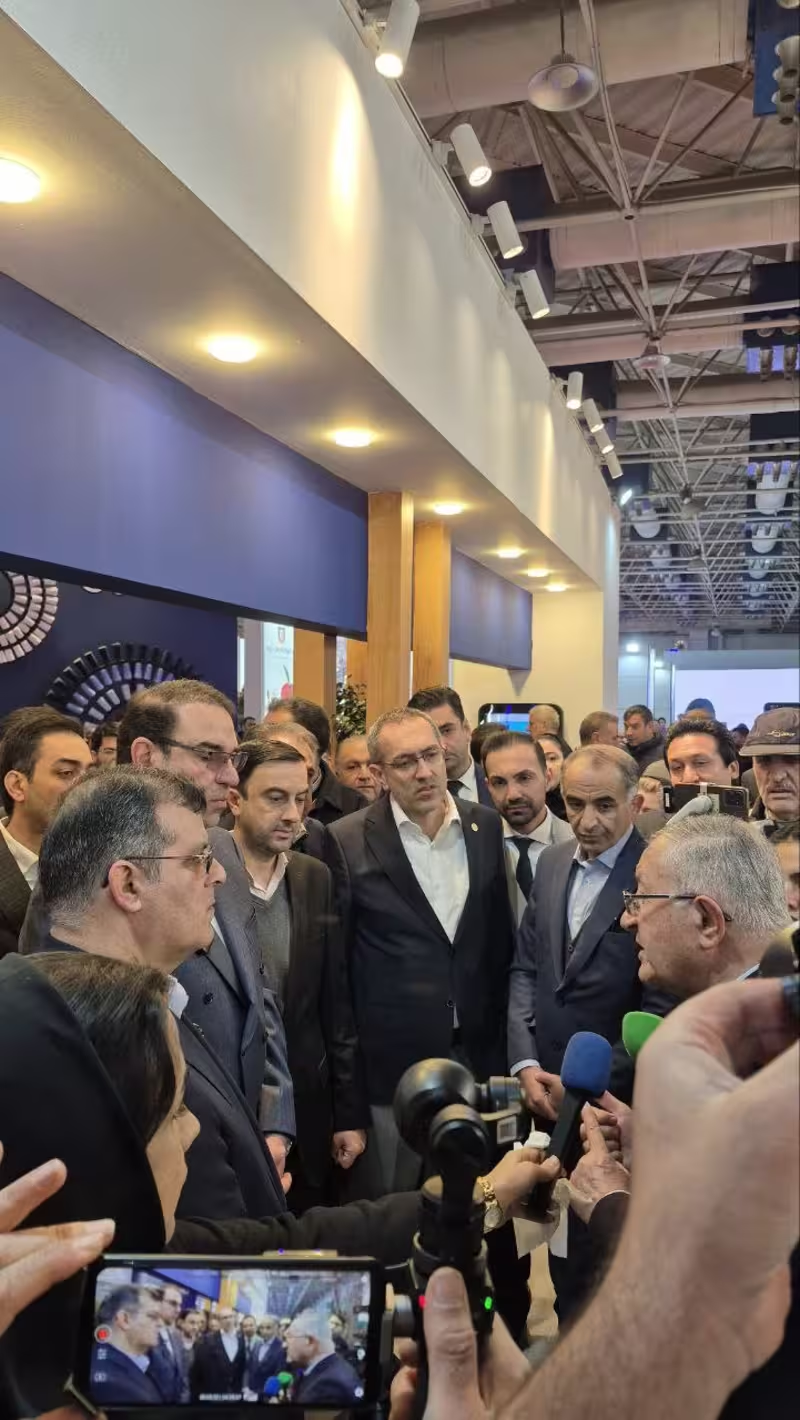
While organizers announced the participation of more than 230 domestic and international companies from 15 countries, on-the-ground observations told a different story. Professional visitor turnout was noticeably low, particularly among key buyers, investors, and decision-makers. Many booths—especially during the first days—remained sparsely visited, reflecting a subdued business atmosphere compared to previous editions.
Poor Timing Amid Economic and Social Turmoil
This edition of IranTex coincided with sharp currency fluctuations, rising inflation, public dissatisfaction over economic policies, and street protests in Tehran. These developments diverted attention away from trade events and reduced both domestic and regional participation. For many industry players, attending exhibitions was simply not a priority under such uncertainty.
Absence of Europe, Dominance of Chinese Exhibitors
Another critical issue was timing. The exhibition opened on January 2, overlapping with the New Year holiday season in Europe. As a result, European companies and visitors were largely absent, weakening the show’s international relevance.
Read more: Iranian Textile Machinery Makers Show Strong Competitive Edge Despite Challenges
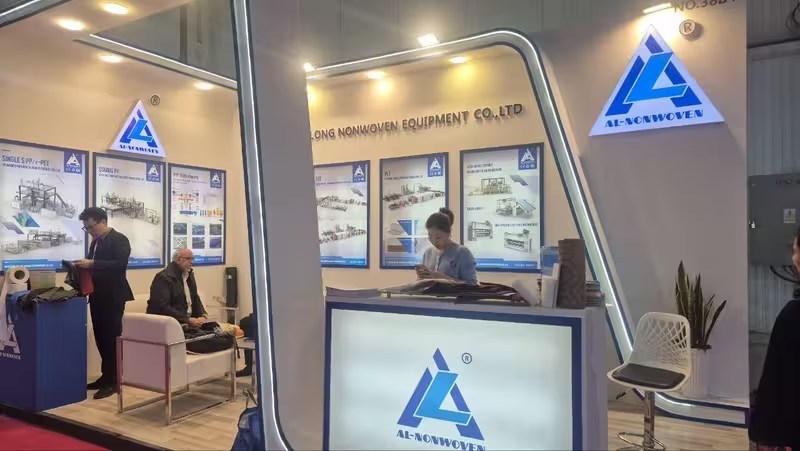
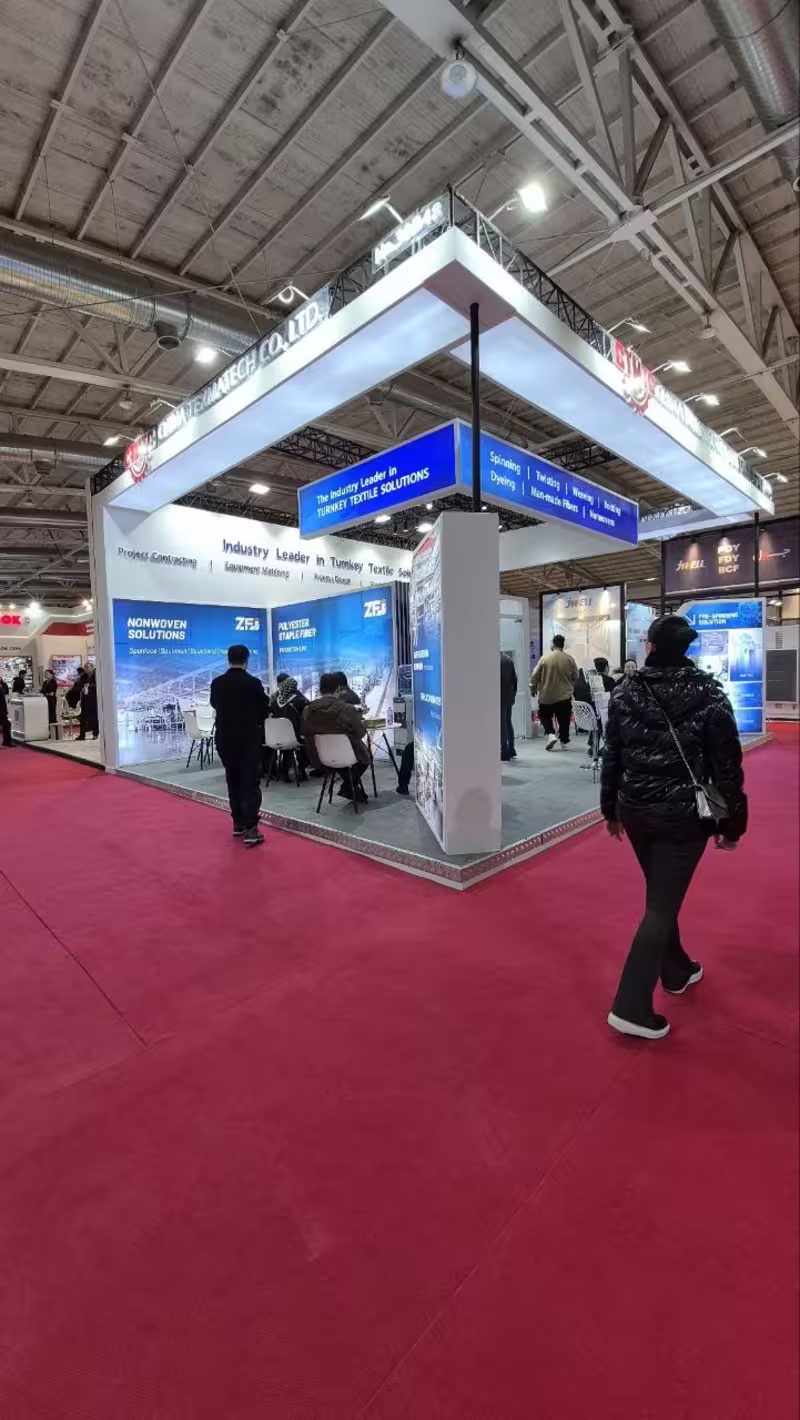
In contrast, the foreign section was heavily dominated by Chinese exhibitors, creating an imbalance in geographic representation. This raised renewed questions about whether IranTex is still able to function as a truly diversified international platform or whether it is gradually turning into a one-sided regional showcase.
Technology on Display, Market Not Ready
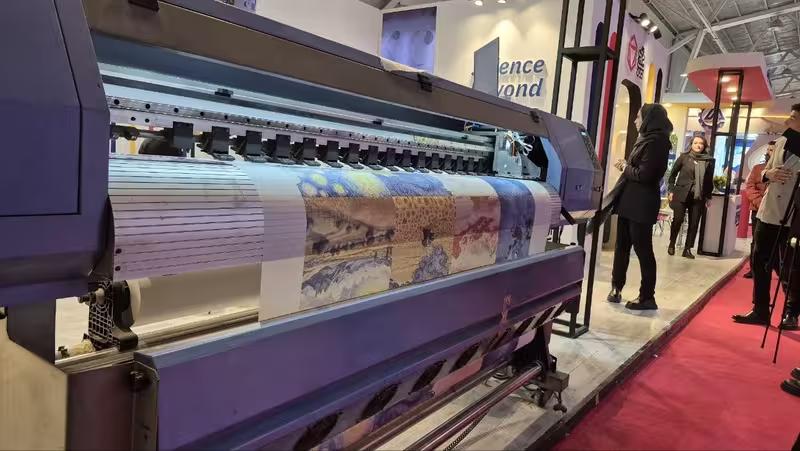
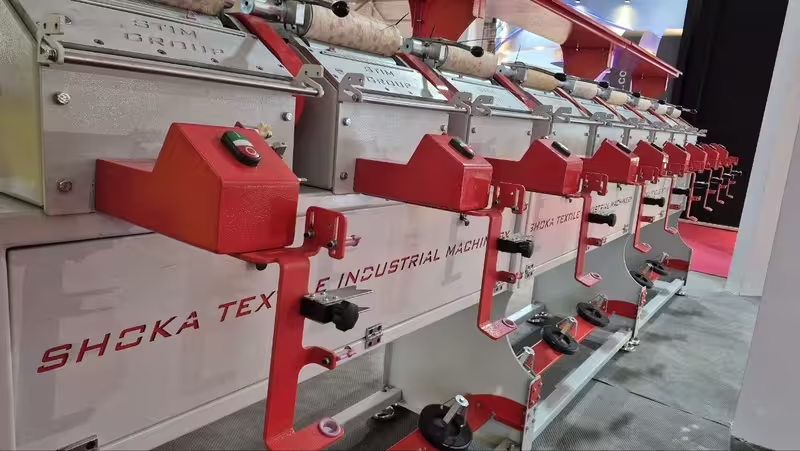
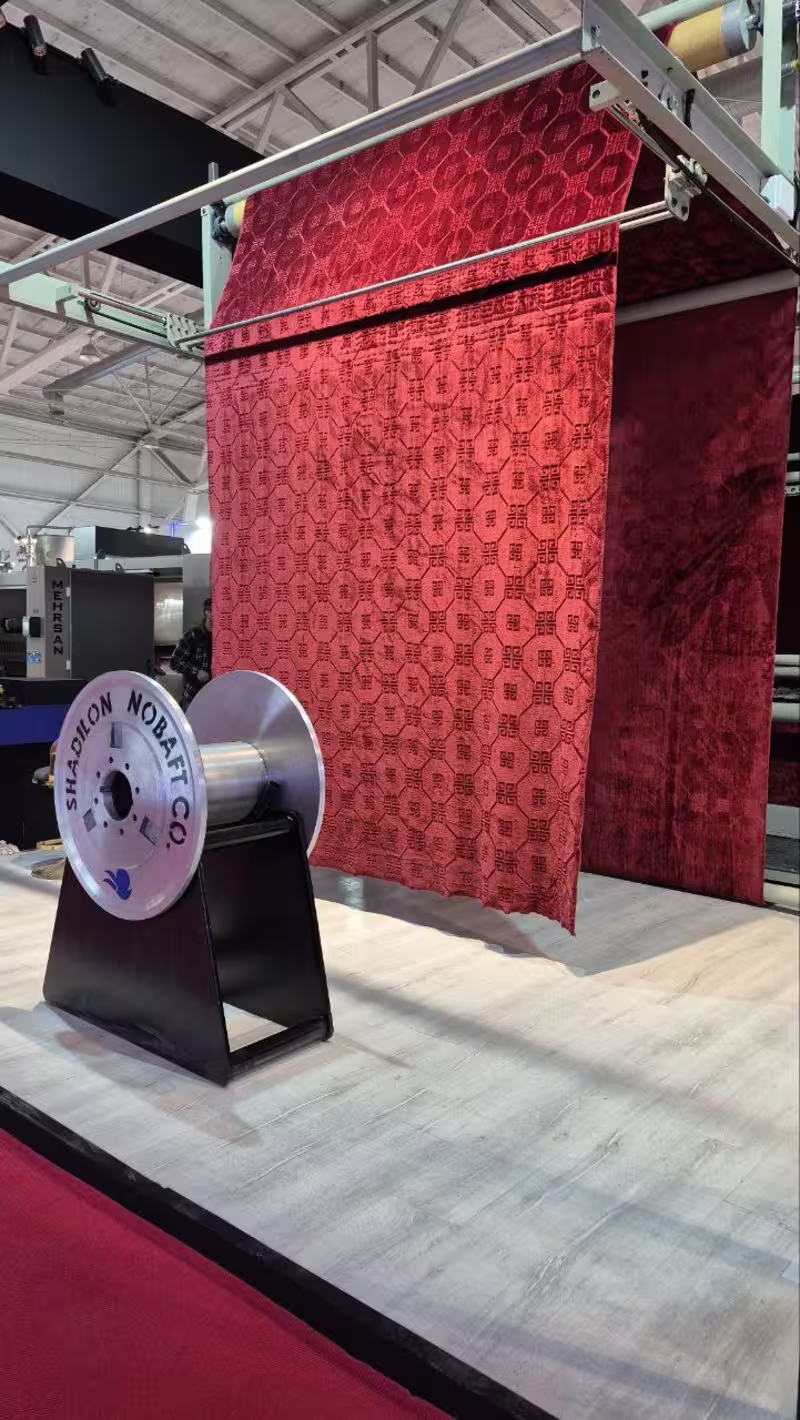
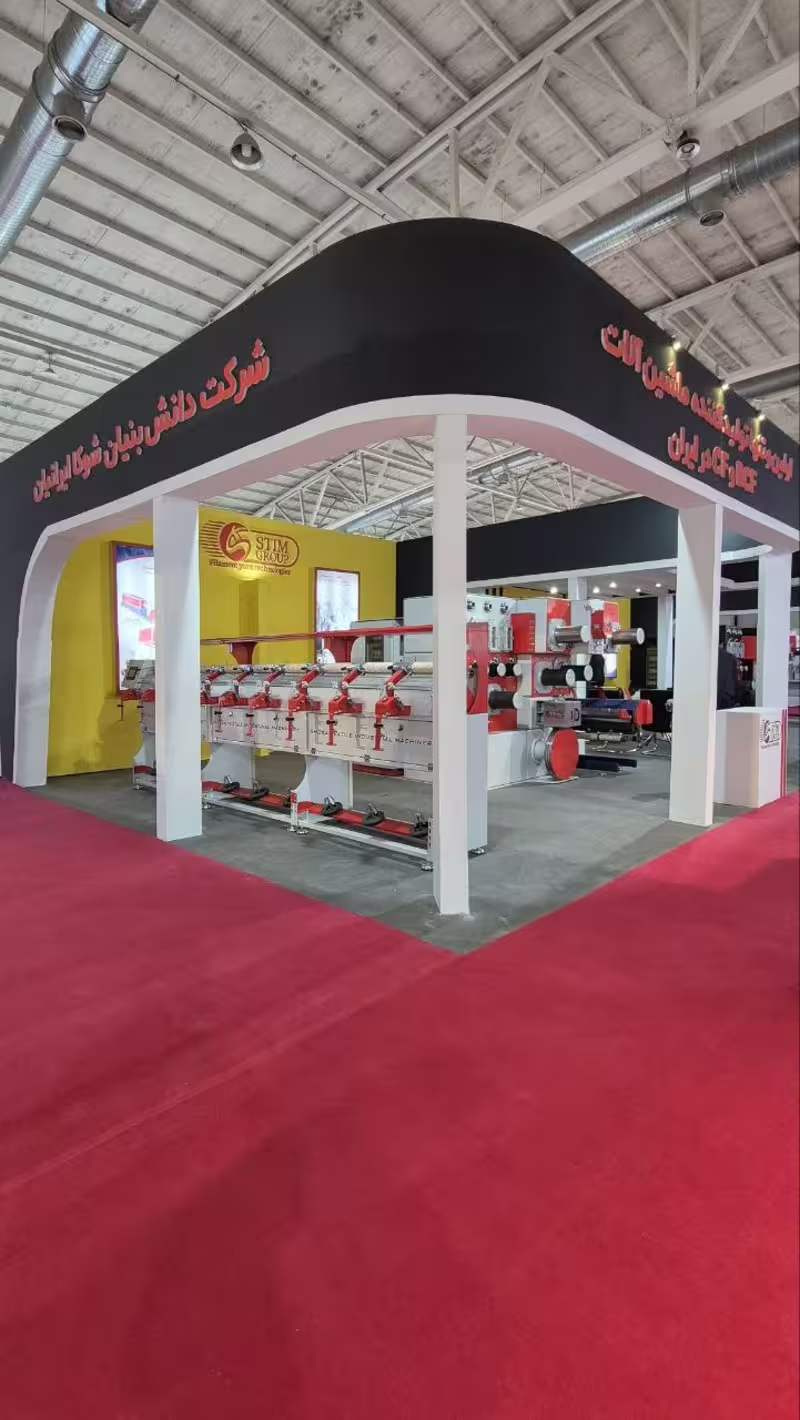
Although the exhibition featured textile machinery, raw materials, fabrics, home textiles, apparel collections, and technologies such as digital textile printing, automation, and smart production systems, a clear gap was visible between technology presentation and real market readiness.
Industry insiders repeatedly pointed out that without solutions to currency instability, import restrictions, financing challenges, and declining purchasing power, exhibitions remain largely symbolic rather than transactional.
Structural Challenges Remain Unaddressed
Iran’s textile and apparel industry continues to face declining exports, unfair competition from imports, widespread smuggling, and rising production costs. Against this backdrop, IranTex 2026 reignited fundamental questions about the exhibition’s strategy, timing, international mix, and ability to attract serious buyers.
Trade fairs can only deliver value when they align with market realities, economic stability, and the global industry calendar. Otherwise, high exhibitor numbers alone cannot compensate for the lack of meaningful commercial engagement.











