






Agriculture is the backbone of our civilization, providing the world’s population with the food and resources necessary for survival. In the quest to ensure food security and address environmental concerns, agricultural textiles, often referred to as agro-textiles, have emerged as a crucial innovation. These specialized fabrics have found their way into the heart of agriculture, offering multifaceted benefits that support modern farming practices, reduce environmental impact, and bolster crop yields.
Versatile Agro-Textiles:
Agro-textiles are designed to cater to various agricultural needs, from safeguarding crops to enhancing overall crop performance. These textiles come in diverse forms, including shade nets, thermal screens, crop covers, weed control mats, and mulch mats, among others. What sets agro-textiles apart is their biodegradability, making them environmentally friendly alternatives to traditional farming materials. They contribute to the efficient and sustainable growth of crops, making them indispensable for modern agriculture.
A Fabric for Every Need:
To meet the specific requirements of various agricultural applications, agro-textiles are produced using different techniques. These techniques can include weaving, knitting, non-woven processes, extrusion, netting, or a combination of these methods. The goal is to tailor the textile to the unique needs of each agricultural product.
The Agro-Textile Advantages:
Agro-textiles offer a multitude of advantages that transform agriculture into a more sustainable and eco-friendly endeavor. They reduce the need for fertilizers, harmful pesticides, herbicides, and excessive water usage. By creating a bio-friendly farming culture, they promote environmentally conscious practices while enhancing crop yields. For instance, thermal protection textiles, treated with ultraviolet ray stabilizers, can reduce energy consumption in greenhouses by up to 40%. They also prevent staining and improve color uniformity, facilitating the early maturation of crops and protecting them from the vagaries of climate change.
Environmental Concerns and Bio-Based Solutions:
Historically, the agricultural textiles market has been dominated by petrochemical-based products. However, increasing concerns about climate change and greenhouse gas emissions have led to a shift away from petroleum-based agro-textiles, which have become expensive and less desirable. Natural fiber-based agro-textiles have been explored as an alternative but have limitations such as rapid degradation, making recovery and recycling challenging. These materials typically have a limited lifetime of one to two years.
In response to these challenges, there is a growing focus on developing bio-based agro-textiles with a reduced environmental impact and extended durability. The world is gradually transitioning to a bio-based economy, with research efforts already underway to explore sustainable alternatives for the agricultural textiles market.
Global Market Status:
The global agro-textile industry is on the rise, with a market estimated at $9.37 billion in 2021 and expected to reach $13.04 billion by 2028, showing a Compound Annual Growth Rate (CAGR) of 4.7%. This growth is driven by the commercialization of bio-based agricultural products, increased demand for high-quality agriculture materials, and growing awareness among farmers about advanced agro-textiles. The Asia Pacific region is expected to witness the fastest CAGR from 2021 to 2028, highlighting the significant role of agro-textiles in modern agriculture worldwide.
Recycling Agro-Textiles:
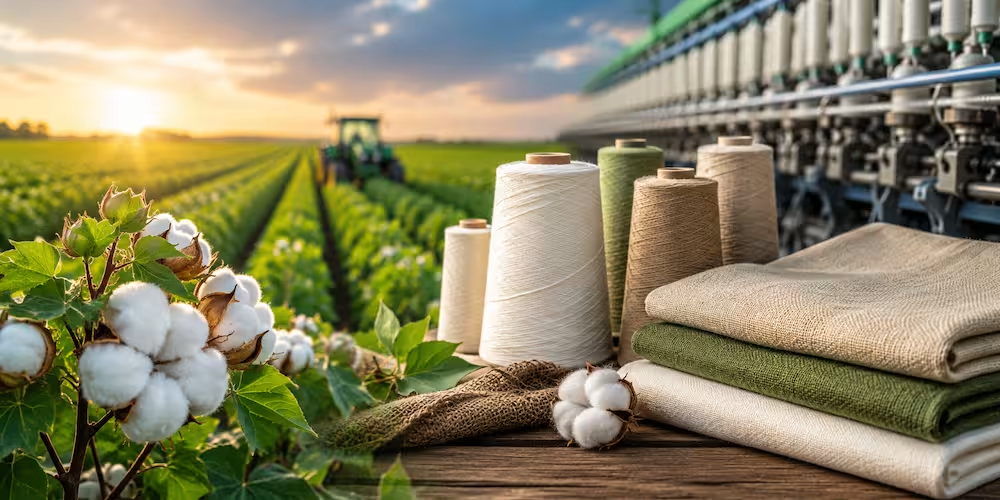
One key aspect of sustainability is recycling. Agro-textiles have also found their way into the circular economy, where textile waste is repurposed to create new products. This approach involves using renewable and reusable resources as raw materials, remanufacturing resources to extend product lifespans, and recycling or reusing waste. By transforming waste agro-textiles into value-added products, textile waste generation can be significantly reduced, promoting a more sustainable approach to agricultural practices.
Agricultural textile manufacturers:
Agricultural textile manufacturers play a pivotal role in supporting modern farming practices by producing a diverse range of specialized textiles tailored for use in agriculture. These manufacturers create innovative solutions designed to address various challenges faced by farmers, including weather fluctuations, pest control, and soil management. From crop covers and shade nets to mulching films and geotextiles, these products contribute to enhanced crop yields, protection against adverse weather conditions, and the overall efficiency of farming operations.
Companies such as DuPont, Rajshree Industries, and Berry Global are at the forefront, offering high-quality materials that cater to the specific needs of the agricultural sector. Their commitment to developing sustainable and technologically advanced textile solutions underscores the critical role that agricultural textiles play in modern farming, promoting productivity and resilience in the face of diverse agricultural challenges.
Conclusion and Future Prospects:
Agricultural textiles have become essential tools in modern agriculture, offering myriad benefits that enhance crop growth, reduce environmental impact, and promote eco-friendly farming practices. As the world grapples with food security challenges and environmental concerns, the role of agro-textiles in agriculture is poised to grow. With ongoing research and development focused on sustainable, bio-based alternatives, the future of agro-textiles looks promising, heralding a new era of eco-friendly and efficient farming practices.












As a producer of agricultural textile products in China, I find the information and insights provided in this article extremely valuable. Agro textiles are indeed crucial in modern agriculture, especially for their immense potential in enhancing crop yield and quality.
Thank you very much for sharing this.