




India has long been recognized as one of the largest producers of cotton in the world. However, despite this scale, Indian cotton has historically lacked the global branding power of competitors such as Egypt’s Giza Cotton or the U.S.’s Supima Cotton. To bridge this gap, the Ministry of Textiles, Government of India, in collaboration with the Cotton Corporation of India (CCI), launched Kasturi Cotton – a premium brand aimed at redefining the image and value of Indian cotton in global markets.
Kasturi Cotton; A National Branding Initiative
Kasturi Cotton was introduced as part of a broader strategy to create a globally recognized, high-quality cotton brand. It represents India’s commitment to ensuring consistent fiber quality, sustainability, and complete traceability from farm to fabric.
Unlike generic Indian cotton, Kasturi Cotton adheres to strict grading parameters for fiber length, strength, and micronaire (fineness). This allows it to compete directly with high-end, long-staple cotton varieties on the global stage.
Complete Traceability: From Farm to Product
One of the most significant features of Kasturi Cotton is its QR code-based traceability system. Every bale of Kasturi Cotton carries a unique code that allows buyers and consumers to scan and access detailed information about:
- Where the cotton was grown
- The ginning and spinning facilities involved
- The final fabric or garment manufacturing location
This transparency not only builds trust with buyers but also ensures that the cotton’s origin and quality are verifiable.
Sustainability at its Core
Kasturi Cotton promotes environmentally responsible farming practices and minimal chemical usage. The initiative supports Indian farmers in adopting sustainable cultivation methods, reducing water consumption, and enhancing soil health.
This focus aligns with global sustainability trends, meeting the demands of brands and consumers who prioritize eco-friendly raw materials in their supply chains.
Positioning in the Global Market
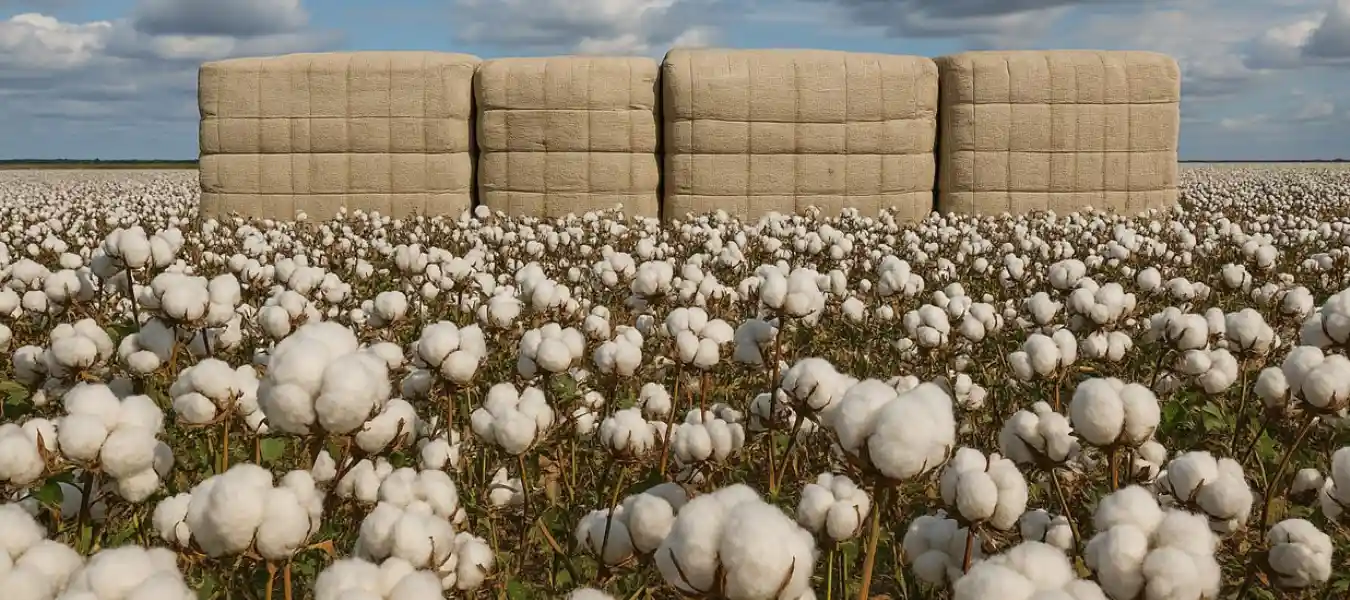
With long-staple fiber length averaging 30–31 mm, Kasturi Cotton targets the same premium segment as Supima and Giza cotton. It is designed for high-quality yarns and fabrics used in luxury apparel, home textiles, and premium fashion collections.
India’s textile exporters see Kasturi Cotton as a tool to increase competitiveness in markets like Europe, North America, and East Asia, where quality consistency and brand reputation play a decisive role in sourcing decisions.
Why Kasturi Cotton Matters?
By combining India’s vast cotton-growing capacity with a strong brand identity, Kasturi Cotton is more than a product – it is a national value-addition strategy. It has the potential to:
- Increase export earnings from premium cotton products
- Strengthen India’s position in high-value textile segments
- Offer traceability and sustainability credentials that meet modern market demands
Your insights matter — We invite our readers to share their views on Kasturi Cotton and its potential to reshape India’s position in the global premium cotton market. Do you believe this initiative can truly compete with established names like Supima and Giza? How do you see its impact on farmers, sustainability, and India’s textile exports?
Join the conversation in the comments section below. Let’s explore together how branding, traceability, and quality can transform not just a fiber, but the future of an entire industry.












I Know about the Kasturi Cotton product