




Introduction: Why Viscose Fiber Matters in the Modern Textile Industry
Among the wide range of fibers used across the global textile industry, viscose fiber remains one of the most important regenerated cellulose materials. Often described as a semi-synthetic fiber, viscose sits between natural fibers and fully synthetic materials, offering a balance of comfort, versatility, and industrial scalability.
Originally developed as an affordable alternative to silk, viscose—also historically known as viscose rayon—is produced from natural cellulose derived from wood pulp, bamboo, or agricultural residues. Through chemical processing, this natural cellulose is transformed into a spinnable solution that can be regenerated into textile fibers.
Today, viscose plays a crucial role in several sectors of the textile industry, including:
- Apparel manufacturing
- Home textiles
- Nonwoven hygiene products
- Technical textiles
- Fashion and luxury garments
Thanks to its soft texture, high moisture absorption, and excellent drape, viscose fabrics are widely used in garments that prioritize comfort and aesthetics.
However, viscose is also increasingly part of global discussions surrounding sustainable textile production, environmental responsibility, and fiber innovation. As the textile industry moves toward more sustainable solutions, regenerated cellulose fibers such as viscose and lyocell are becoming central to the future of textile manufacturing.
This article explores how viscose fibers are produced, their key properties, applications across the textile industry, and how they compare with other materials such as polyester and Tencel™.
What Is Viscose Fiber?
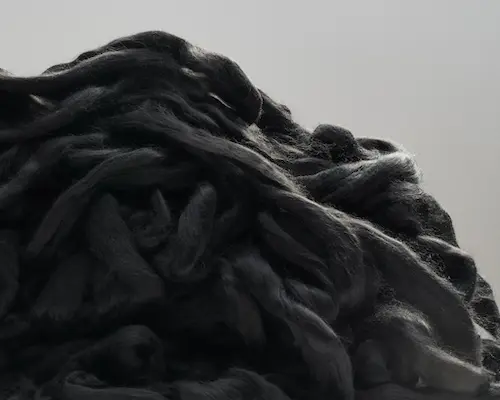
Viscose fiber, often referred to as viscose rayon, is a semi-synthetic textile fiber produced from regenerated cellulose derived primarily from wood pulp and other plant-based raw materials. During the manufacturing process, natural cellulose is chemically treated and transformed into soft, smooth, and breathable fibers. Thanks to its silk-like feel, excellent moisture absorption, and versatility, viscose has become one of the most widely used regenerated cellulose fibers in the global textile and apparel industry.
The History of Viscose Fiber
The origins of viscose fiber date back to the late 19th century, when scientists began experimenting with ways to regenerate cellulose into textile fibers.
The earliest attempts to create artificial silk led to the development of rayon, which became the first man-made fiber produced on an industrial scale.
By the early 1900s, viscose rayon became commercially successful due to several advantages:
- It mimicked the appearance of silk
- It was far cheaper to produce
- It could be manufactured at large scale
During the 20th century, viscose became widely used in clothing, upholstery fabrics, and industrial textiles. Today, it remains one of the most widely produced regenerated cellulose fibers in the world.
Global Viscose Fiber Market and Industry Overview
The global viscose fiber market has expanded rapidly over the past decades as textile manufacturers search for materials that combine natural comfort with industrial scalability. Regenerated cellulose fibers such as viscose have become an essential component of modern textile production.
Today, viscose fibers are widely used in apparel manufacturing, home textiles, hygiene products, and technical applications. The material is particularly valued in fashion production because of its softness, drape, and dyeing performance.
Asia dominates global viscose fiber production, with China and India representing the largest manufacturing hubs. Large-scale fiber producers operate integrated facilities that convert wood pulp into viscose staple fiber and viscose filament yarn for the global textile market.
Several companies are recognized as major producers of viscose and regenerated cellulose fibers worldwide, including:
- Lenzing Group
- Birla Cellulose (Aditya Birla Group)
- Sateri
- Tangshan Sanyou
- Xinxiang Chemical Fiber
These producers are increasingly investing in more sustainable production technologies, including responsible forestry sourcing, chemical recovery systems, and recycled cellulose solutions.

Top Viscose Fiber Producers in the World
The global viscose fiber industry is dominated by several large integrated fiber producers that operate extensive manufacturing facilities across Asia and Europe. Companies such as Lenzing Group, Birla Cellulose, and Sateri have become key players in the regenerated cellulose fiber market.
These producers invest heavily in sustainable forestry sourcing, closed-loop chemical systems, and next-generation cellulose technologies. As demand for sustainable fibers grows, these companies are expected to play an even larger role in shaping the future of viscose production.
For a deeper industry analysis, read our article on the Top Viscose Fiber Producers in the World.
How Viscose Fiber is Manufactured
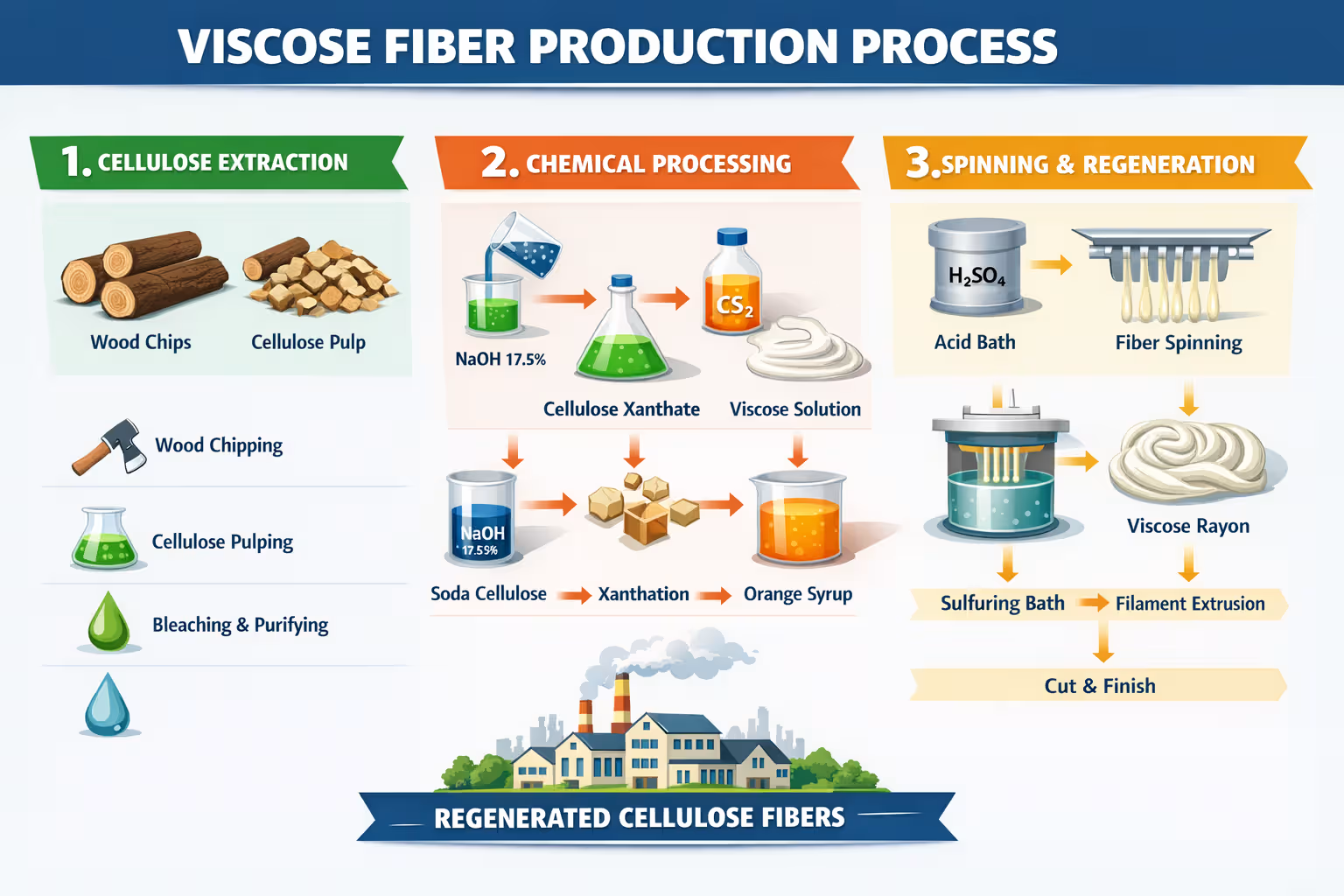
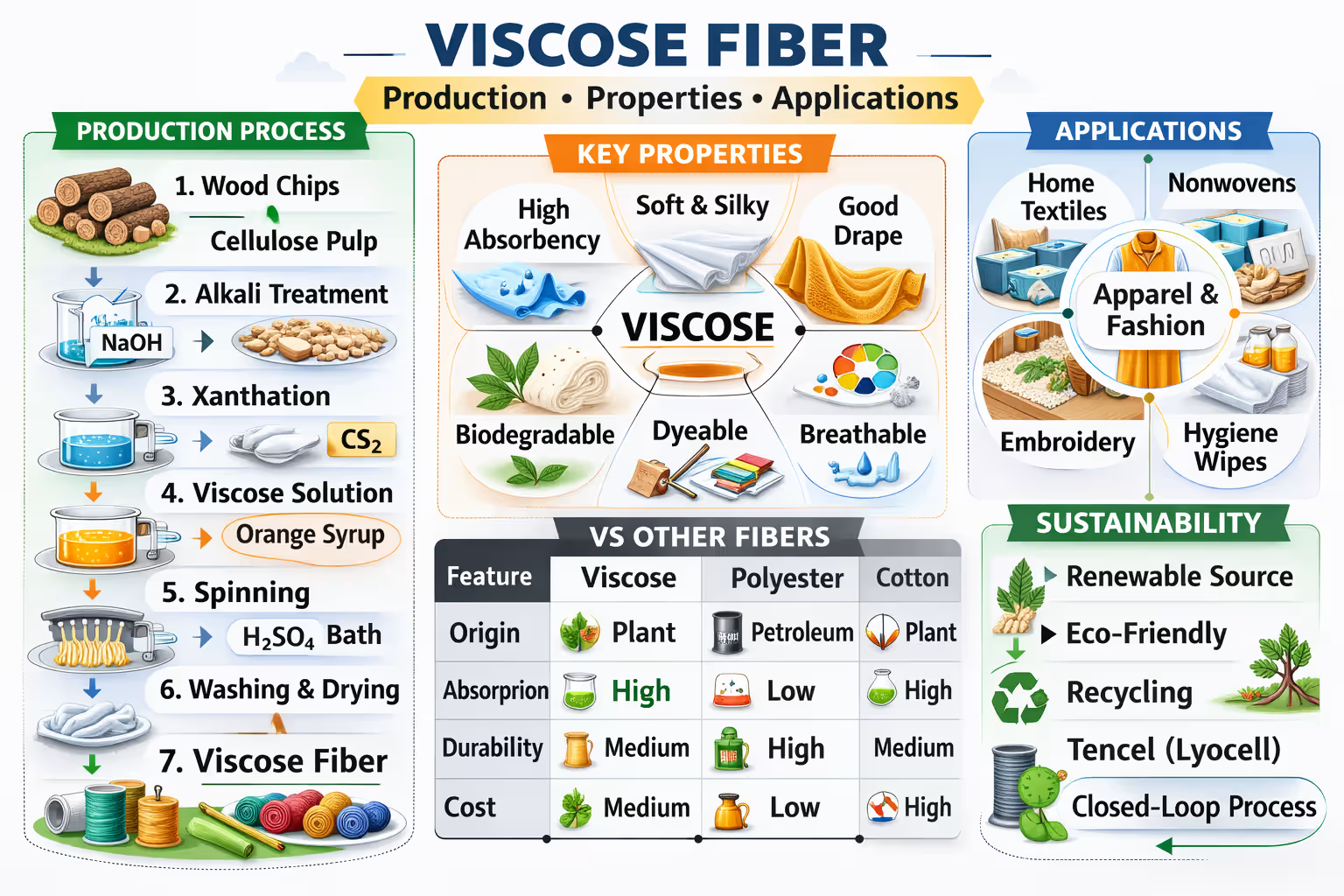
The production of viscose fiber involves transforming plant-based cellulose into a regenerated textile filament through a multi-stage chemical process.
Step 1: Extraction of Cellulose Pulp
The process begins with raw plant material, usually wood from fast-growing trees such as eucalyptus, pine, or beech.
The wood is:
- Chopped into small chips
- Chemically processed into purified cellulose pulp
- Bleached to remove impurities
This cellulose pulp forms the primary raw material for viscose production.
Step 2: Alkali Treatment
The purified cellulose pulp is treated with a 17.5% sodium hydroxide solution, which converts it into alkali cellulose.
This step breaks down the cellulose structure and prepares it for further chemical transformation.
Step 3: Xanthation Reaction
The alkali cellulose reacts with carbon disulfide (CS₂) to produce cellulose xanthate.
Cellulose xanthate is important because it can dissolve in a dilute caustic soda solution.
Step 4: Formation of Viscose Solution
The cellulose xanthate is dissolved in a dilute sodium hydroxide solution, forming a viscous orange liquid often described as a honey-like solution.
This solution is called viscose, which gives the fiber its name.
Step 5: Fiber Spinning and Regeneration
The viscose solution is extruded through spinnerets into a sulfuric acid bath.
This chemical reaction regenerates the cellulose and forms long filaments of viscose rayon fiber.
The filaments are then:
- Washed
- Bleached
- Stretched
- Cut into staple fibers if required
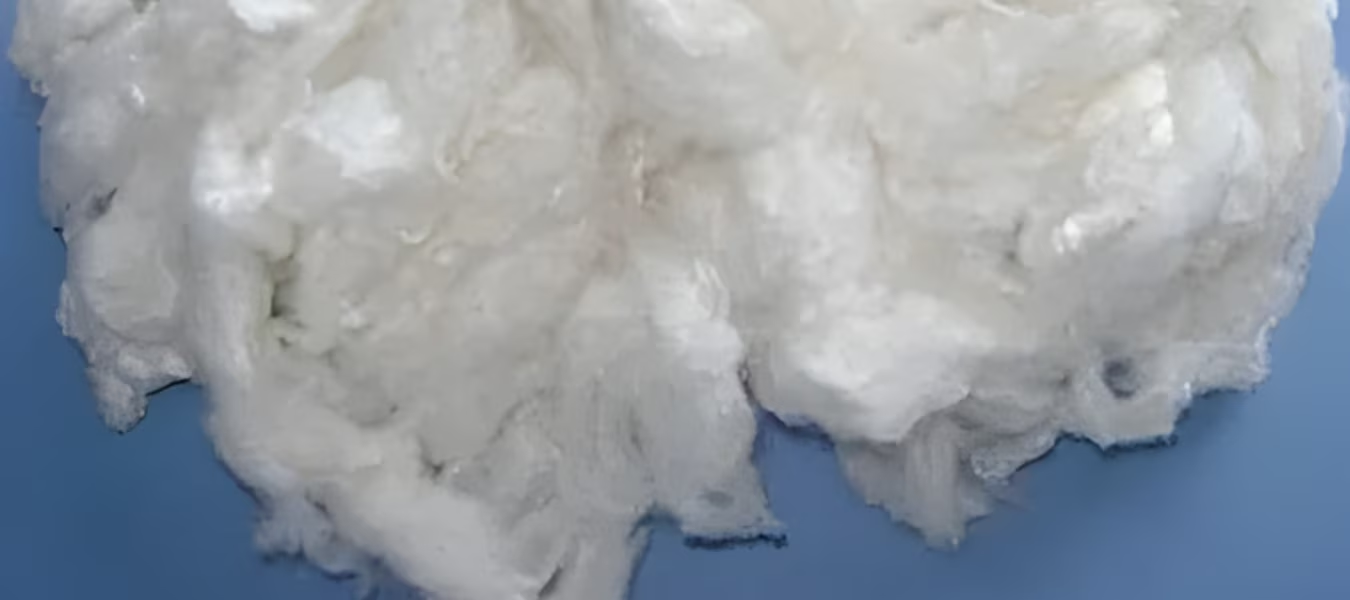
At this stage, the regenerated cellulose becomes a textile fiber ready for spinning and fabric manufacturing. New spinning technologies are improving the efficiency of viscose yarn production.
Types of Viscose Fibers
Viscose fibers are produced in several different forms depending on their manufacturing process, performance characteristics, and intended applications. Over the years, textile manufacturers have developed specialized viscose fiber types designed for different industrial and fashion uses.
The most common types of viscose fibers include viscose staple fiber, viscose filament yarn, high wet modulus viscose, and modal fibers.
Viscose Staple Fiber (VSF)
Viscose staple fiber is the most widely used form of viscose in the textile industry. It is produced as short fibers that can be spun into yarn in a similar way to cotton.
VSF is commonly used in:
- Apparel fabrics
- Home textiles
- Blended yarns with cotton or polyester
- Nonwoven products such as wipes and hygiene materials
Because of its softness and absorbency, viscose staple fiber is widely used in comfortable clothing fabrics.
Viscose Filament Yarn (VFY)
Viscose filament yarn consists of continuous filaments rather than short fibers. This form of viscose provides a smoother surface and a more luxurious appearance.
VFY is commonly used in:
- Embroidery threads
- Decorative fabrics
- Luxury fashion garments
- Linings and high-end textile products
Its natural shine and smooth texture make it an attractive alternative to silk in many textile applications.
High Wet Modulus (HWM) Viscose
High Wet Modulus viscose is a modified form of viscose fiber designed to improve strength when the fiber is wet. Traditional viscose can lose strength in wet conditions, but HWM fibers are engineered to overcome this limitation.
This type of viscose is often used in:
- Durable apparel fabrics
- Industrial textiles
- Blended yarns requiring higher strength
Modal fiber is considered a well-known example of HWM viscose.
Modal Fiber
Modal is a premium regenerated cellulose fiber developed from specially processed beech wood pulp. It belongs to the High Wet Modulus viscose family but offers enhanced softness, strength, and dimensional stability.
Modal fibers are widely used in:
- Premium fashion garments
- Underwear and intimate apparel
- Activewear fabrics
- High-quality knitwear
Because of its smooth feel and durability, modal has become a popular fiber in modern sustainable fashion.
Key Properties and Characteristics of Viscose Fiber
Viscose fibers possess several properties that make them highly attractive to textile manufacturers and fashion designers. Some companies are developing specialty viscose fibers designed for traceability and advanced textile applications.
Exceptional Moisture Absorption
Viscose is one of the most absorbent fibers among cellulosic materials, often absorbing more moisture than cotton.
This property makes viscose garments extremely comfortable in warm climates.
Soft and Silky Feel
Viscose fabrics offer a smooth and luxurious texture, often compared to natural silk.
This softness makes viscose a preferred material for fashion garments.
Excellent Drape
The fiber’s natural flexibility provides fabrics with excellent drape, making it ideal for flowing garments such as dresses and skirts.
Dyeing Performance
Viscose fibers accept dyes easily, allowing manufacturers to produce vibrant colors and detailed prints.
Breathability and Comfort
Because of its natural cellulose structure, viscose fabrics are breathable and skin-friendly, enhancing comfort for everyday wear.
Biodegradability
Unlike most synthetic fibers, viscose is biodegradable under appropriate environmental conditions, making it a more environmentally friendly alternative compared with petroleum-based materials.
Key Advantages of Viscose Fiber
Viscose fiber offers several advantages that make it a widely used material in the textile industry. Some of the most notable benefits include:
- Soft and silk-like feel, providing excellent comfort in garments
- High breathability and moisture absorption, making fabrics comfortable to wear
- Excellent drape, allowing fabrics to fall naturally in fashion applications
- Good dye affinity, enabling vibrant and uniform coloration
- Versatility, as viscose can be blended with cotton, polyester, or elastane
- Biodegradable origin, since viscose is derived from natural cellulose
Comparison of Viscose With Other Textile Fibers
| Fiber | Fiber Category | Moisture Absorption | Sustainability | Typical Uses |
|---|---|---|---|---|
| Viscose | Regenerated cellulose | Very high | Medium (improving with new technologies) | Apparel, home textiles, nonwovens |
| Cotton | Natural fiber | High | Medium | Clothing, towels, home textiles |
| Polyester | Synthetic fiber | Low | Low | Sportswear, industrial textiles |
| Lyocell (Tencel) | Regenerated cellulose | High | High | Sustainable fashion, premium fabrics |
Applications of Viscose Fiber in the Textile Industry
Viscose fibers are used across a wide range of textile sectors.
Apparel and Fashion
Viscose is particularly popular in fashion due to its soft texture and elegant drape.
Common garments include:
- Dresses
- Blouses
- Shirts
- Lingerie
- Suits
- Children’s clothing
Home Textiles
The fiber is also widely used in home furnishings such as:
- Curtains
- Upholstery fabrics
- Decorative fabrics
- Cushions
Nonwoven Products
Viscose staple fibers are extensively used in nonwoven fabrics, particularly in hygiene products. Examples include:
- Baby wipes
- Wet wipes
- Medical wipes
- Hygiene napkins
- Embroidery Threads
Viscose filament yarn is often used in embroidery threads, where shine and color intensity are important.
Viscose vs Polyester: Key Differences
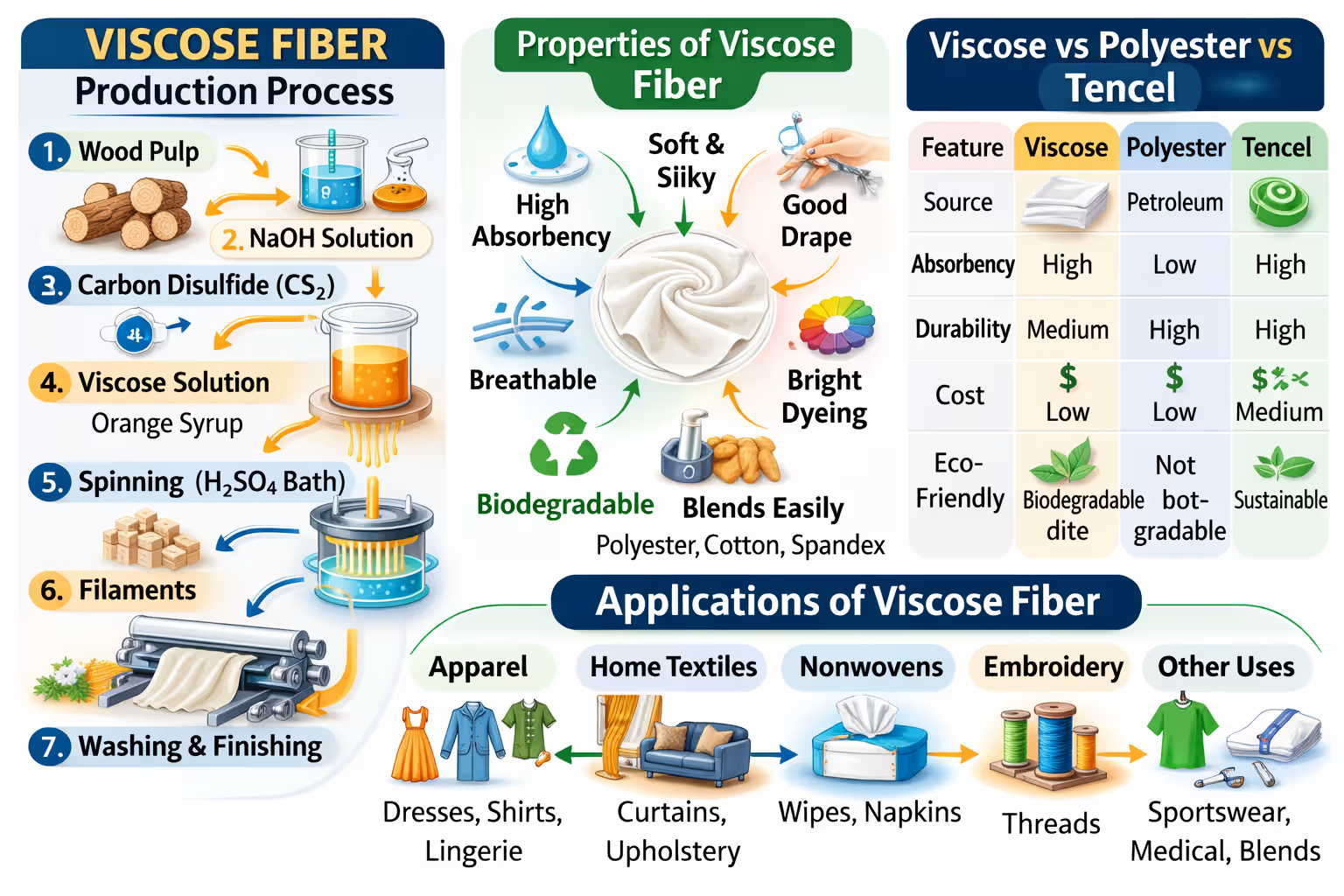
Although viscose and polyester are both widely used in textiles, they differ significantly in origin and performance.
Raw Material Source
Polyester is derived from petroleum-based polymers, while viscose originates from natural plant cellulose.
Moisture Performance
Viscose absorbs moisture easily, making it comfortable to wear. Polyester, however, is known for moisture-wicking properties.
Durability
Polyester generally provides higher strength and wrinkle resistance. Viscose, in contrast, prioritizes softness and comfort.
Environmental Impact
Viscose is biodegradable, whereas polyester contributes to microplastic pollution and environmental challenges.
Tencel™ vs Viscose: A New Generation of Cellulosic Fibers
Both viscose and Tencel™ (lyocell) are derived from wood pulp and share similar textile properties.
However, the key difference lies in the manufacturing process.
Viscose Production
Traditional viscose manufacturing involves chemical solvents such as carbon disulfide, which can have environmental implications if not managed properly.
Tencel Production
Tencel fibers are produced using a closed-loop solvent system, which recovers and reuses most of the chemicals used in production.
This significantly reduces environmental impact.
Industry Implications
For textile manufacturers, the shift toward closed-loop cellulose fiber production represents a major step toward sustainable textile manufacturing.
Sustainability Challenges in Viscose Production
Despite its plant-based origin, viscose production has faced criticism due to:
- Chemical solvent usage
- Environmental pollution risks
- Unsustainable forestry practices
- In response, many manufacturers are adopting:
- Sustainably sourced wood pulp
- Improved chemical recovery systems
- Eco-certified production processes
Organizations such as Canopy and FSC now promote responsible viscose sourcing across the global textile and viscose supply chain. New recycling technologies are also enabling the production of recycled viscose fibers from textile waste.
Some producers have introduced EcoVero viscose fibers with significantly lower environmental impact.
The Future of Viscose Fiber
Despite sustainability concerns, viscose remains one of the most important fibers in the textile industry.
Several factors support its continued growth:
- Rising demand for natural-based fibers
- Increasing interest in biodegradable textiles
- Advances in sustainable cellulose processing
- At the same time, the industry is investing in innovations such as:
- Closed-loop viscose production
- Bio-based chemical processing
- Sustainable forestry certification
These developments could redefine the environmental profile of viscose fiber in the coming years.
Conclusion
Viscose fiber represents a crucial bridge between natural plant materials and modern textile technology.
By regenerating cellulose into textile filaments, viscose provides a unique combination of:
- Softness and comfort
- Versatility in textile applications
- Compatibility with modern manufacturing processes
From fashion apparel to hygiene nonwovens, viscose continues to play a vital role across the global textile industry.
However, as sustainability becomes a defining factor in fiber selection, the viscose industry must continue improving its environmental performance and adopting cleaner production technologies.
With innovations in regenerated cellulose fibers and sustainable manufacturing processes, viscose is likely to remain a key material shaping the future of the textile industry.
Frequently Asked Questions About Viscose Fiber
What is viscose fiber made from?
Viscose fiber is produced from regenerated cellulose derived mainly from natural raw materials such as wood pulp, bamboo, and other plant-based sources. In the manufacturing process, cellulose is chemically treated and transformed into a soft, smooth, and breathable textile fiber. Because it originates from natural cellulose but undergoes chemical processing, viscose is classified as a semi-synthetic fiber widely used in the global textile industry.
Is viscose a natural or synthetic fiber?
Viscose is generally considered a semi-synthetic fiber. The raw material comes from natural cellulose sources such as wood pulp, but the production process involves chemical treatments that convert the cellulose into a regenerated fiber. This places viscose between natural fibers like cotton and fully synthetic fibers such as polyester.
Why is viscose widely used in the textile industry?
Viscose is widely used because of its unique combination of softness, comfort, and versatility. The fiber has excellent moisture absorption, smooth texture, and good drape, making it ideal for garments such as dresses, shirts, and lightweight fabrics. In addition, viscose can be easily dyed and blended with other fibers, allowing manufacturers to create a wide range of textile products.
Is viscose environmentally friendly?
The environmental impact of viscose depends largely on how it is produced. Traditional viscose manufacturing can involve chemical processes that require careful management. However, new innovations in the textile industry are improving sustainability. For example, fibers such as EcoVero viscose and recycled cellulose fibers are designed to reduce environmental impact through responsible sourcing and improved production technologies.
What are the main applications of viscose fiber?
Viscose fibers are used in a wide range of textile applications. In the fashion industry, they are commonly found in dresses, blouses, shirts, and linings due to their soft and silky feel. Viscose is also used in home textiles such as curtains and upholstery fabrics. In addition, viscose fibers play an important role in nonwoven products including hygiene materials, wipes, and medical textiles.
What is the difference between viscose and polyester?
Viscose and polyester differ significantly in both origin and performance. Viscose is a regenerated cellulose fiber derived from plant-based materials, while polyester is a fully synthetic fiber produced from petroleum-based chemicals. Viscose generally offers higher breathability and moisture absorption, giving fabrics a softer and more natural feel. Polyester, on the other hand, is known for its durability, wrinkle resistance, and fast drying properties.
Is viscose biodegradable?
Yes, viscose fibers are generally considered biodegradable because they are made from natural cellulose. Under appropriate environmental conditions, microorganisms can break down the fiber over time. However, biodegradability can vary depending on the specific production process and the presence of chemical finishes or blends with synthetic fibers.
Why is viscose important for the future of sustainable textiles?
As the textile industry seeks alternatives to petroleum-based fibers, regenerated cellulose fibers such as viscose are gaining renewed attention. Manufacturers and researchers are working to improve production technologies, reduce chemical impacts, and increase the use of recycled cellulose feedstock. These developments position viscose as an important material in the transition toward more sustainable textile systems.












is there a viscose product that is completely organic?