Understanding different types of textile fabric is essential for designers, manufacturers, and consumers across the global fashion and textile value chain. Fabrics vary in fiber composition, construction methods, performance, aesthetics, comfort, and sustainability. In this comprehensive guide, we explore 24 major textile fabric names, commonly used in clothing, home textiles, upholstery, and industrial applications. This helps brands select the right types of fabric for clothes based on function, feel, and durability.
What type of fabric is a textile?
A textile fabric is any material made by interlacing fibers or yarns through weaving, knitting, nonwoven bonding, or tufting. Fabrics can be made from:
• Natural fibers: cotton, wool, silk, linen
• Man-made fibers: polyester, nylon, rayon, viscose, acrylic
• Blends: combining advantages of different fibers
Textile fabrics are used for:
• Apparel and fashion
• Home furnishings (upholstery, bedding, curtains)
• Industrial and technical applications (medical, automotive, filtration)
Every textile fabric name represents a unique structure, performance, and aesthetic profile.
How many types of textile fabric are there?
There are hundreds of types of textile fabric, but the industry most commonly uses about 20–30 standardized categories for clothing and lifestyle products. This article focuses on 24 of the most popular types of textile fabric, alongside practical explanations, ideal for sourcing teams, students, and industry experts.
Linen
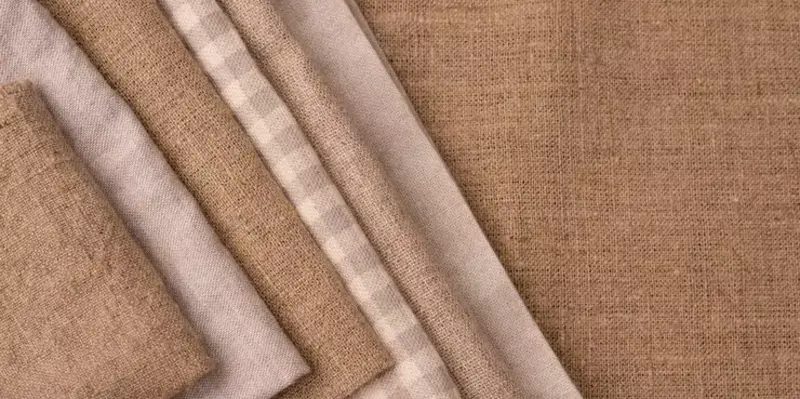
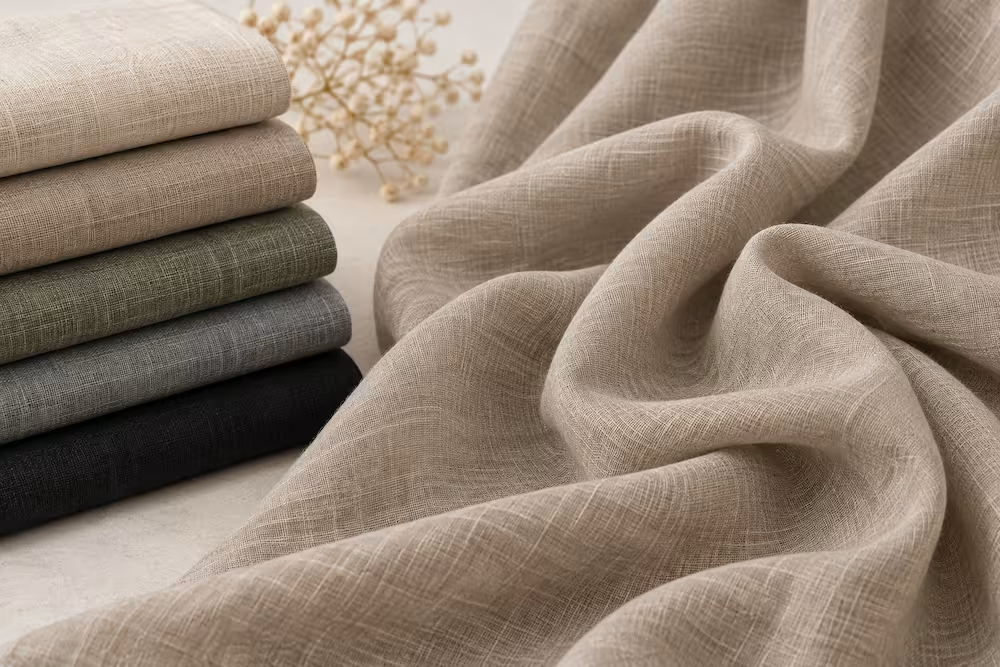
Linen, made from the flax plant, is one of the world’s oldest and most sustainable natural fabrics. It’s valued for its cool touch, breathability, and moisture absorption, making it ideal for summer clothing, luxury bedding, and home décor. Its crisp texture and elegant drape give garments a refined, effortless look that never goes out of style.
Environmentally, linen is among the most eco-friendly fibers in the textile industry. Flax requires very little water or chemicals to grow, and nearly every part of the plant is used, leaving minimal waste. Thanks to new spinning and finishing technologies, linen today is softer, more versatile, and often blended with other fibers for enhanced performance. As sustainability gains global attention, linen continues to stand out as a symbol of durability, purity, and environmental balance in modern textile design.
Cotton
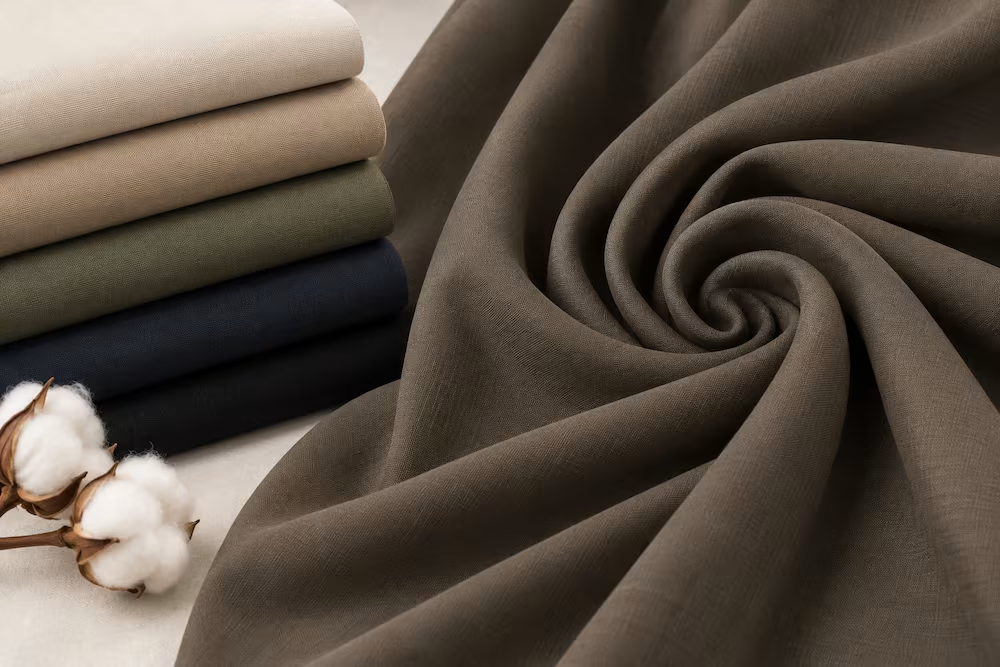
Cotton is the world’s most widely used natural cellulose fiber, prized for its softness, breathability, and hypoallergenic properties. It remains the backbone of everyday textiles such as T-shirts, denim, underwear, babywear, towels, and medical fabrics. Cotton supports a vast global value chain, with major producers including India, Turkey, Egypt, Uzbekistan, and the United States, where it plays a vital role in both the textile and agricultural economies.
However, cotton cultivation is highly resource-dependent, requiring large amounts of water and specific climate conditions, which make its yield variable year to year. Across Africa, countries such as Nigeria, Ethiopia, Chad, and Kenya are strengthening their cotton industries, recognized for their sustainable rain-fed farming systems that rely minimally on groundwater. This makes Africa one of the most eco-friendly cotton-producing regions in the world — a growing model for sustainable fiber production.
Silk
Silk is a premium natural protein fiber from silkworm cocoons. It is lightweight, luxurious, and has natural sheen. Silk drapes beautifully, making it ideal for high-end fashion, scarves, lingerie, and traditional wear such as kimonos and sarees.
Key Scientific Properties of Silk:
| Property | Description |
| High tensile strength | Stronger than many natural fibers; excellent strength-to-weight ratio |
| Natural softness and luster | Triangular prism structure reflects light, giving unique shine |
| Excellent breathability | Moisture regain of approx. 11% |
| Hypoallergenic | Rarely causes skin irritation or allergies |
| Thermo-regulating | Cool in summer and relatively warm in winter |
| Hydrophilic | Absorbs moisture effectively |
Polyester
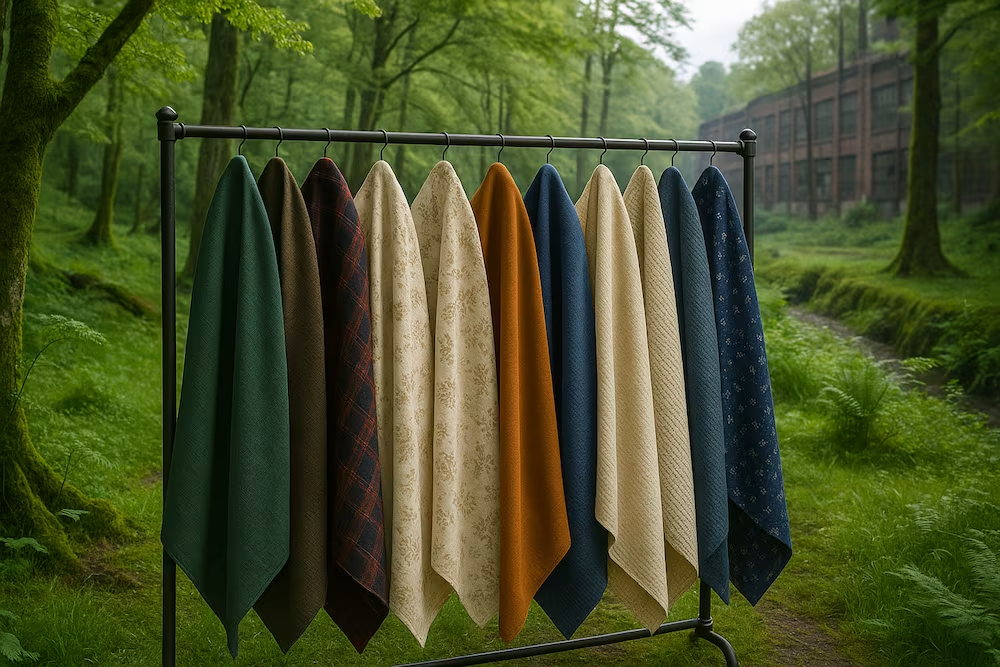
Polyester is the world’s most widely used synthetic fiber, known for its strength, wrinkle resistance, colorfastness, and affordability. It is commonly found in athleisure, sportswear, outerwear, upholstery, and home furnishings, thanks to its durability and versatility. Because of its excellent blending capability, polyester is often mixed with natural fibers like cotton or wool, creating fabrics that are both cost-effective and easy to maintain.
In recent years, recycled polyester (rPET) made from PET plastic bottles has gained significant popularity as part of circular textile initiatives. However, the production process remains costly and energy-intensive, preventing large-scale adoption. Experts emphasize that wider use of recycled polyester could greatly reduce waste, lower carbon emissions, and support global sustainability goals, making it a vital step toward a greener textile future.
Wool
Wool is a natural protein fiber obtained from sheep’s fleece, known for its remarkable warmth, elasticity, breathability, and flame resistance. It remains comfortable across seasons — cool in summer and warm in winter — thanks to its natural temperature-regulating properties. Wool continues to be a key material for coats, suits, sweaters, carpets, and technical outdoor wear, valued for its durability and ability to insulate even when wet.
Its premium variants, including Merino wool, Cashmere, and Mohair, offer exceptional softness and performance. Australia and Peru are among the world’s leading producers of high-quality wool, supplying both the fashion and technical textile industries with fibers that combine comfort, sustainability, and long-lasting performance.
Chiffon
Chiffon is a lightweight, sheer, and slightly rough fabric, used mainly in evening gowns and elegant dresses. It can be woven from silk, polyester, or nylon. Chiffon drapes well and adds sophistication to womenswear.
Nylon
Nylon is a strong synthetic fabric with high abrasion resistance and elasticity. Originally developed in the late 1930s by the U.S. chemical company DuPont, nylon was introduced as a silk substitute for stockings and parachutes during World War II. Since then, its durability, flexibility, and lightweight nature have made it a versatile material found in hosiery, swimwear, parachutes, and a wide range of outdoor gear. Nylon’s toughness and resilience also have made it a favorite in backpacks, technical textiles, and many high-performance applications.
Today, several countries lead in nylon production thanks to their developed petrochemical and polymer industries. China is a dominant global producer of nylon fibers and filaments, followed by India, South Korea, and the United States. These regions benefit from established chemical manufacturing infrastructure and access to raw materials, enabling them to supply both domestic and export markets with large volumes of nylon-based textiles and industrial fabrics.
Denim
Denim is a durable twill-woven cotton fabric, traditionally dyed with indigo to achieve its iconic blue appearance. Its history dates back to the late 19th century, when denim was popularized as workwear for miners and laborers due to its exceptional strength. Over time, denim evolved into a universal fashion statement, becoming the foundation of jeans, jackets, and casual wear across generations and cultures. Today, innovation continues with stretch blends, laser finishing, and eco-friendly washing and dyeing technologies that reduce water and chemical use.
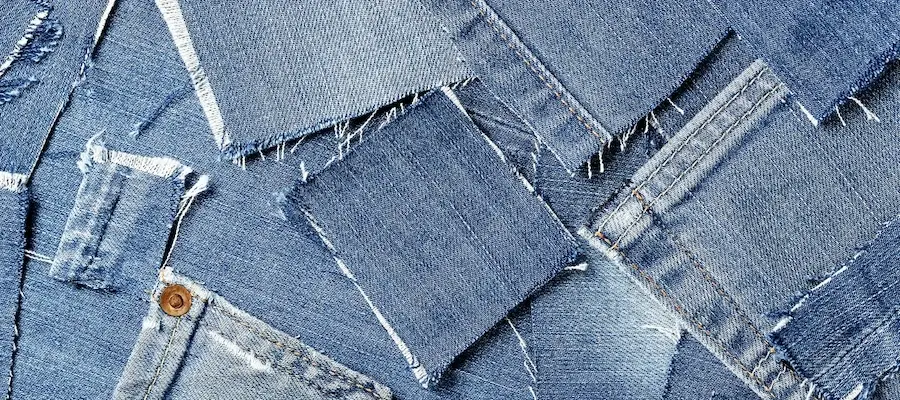
On the global production side, several countries stand out as major denim hubs. Turkey, Brazil, Pakistan, and Bangladesh are among the world’s leading producers, known for their extensive textile infrastructure, competitive manufacturing, and large export markets. These nations supply premium denim fabrics to international brands and play a significant role in shaping global denim trends and sustainability efforts.
Also read: The Best Turkish Denim Brands
Leather
Leather is a durable and luxurious material made from animal hides, mainly cow, sheep, and goat. Through tanning, the hides are preserved, gaining strength, flexibility, and resistance to decay. For centuries, leather has been valued for its timeless appeal and used in jackets, shoes, bags, furniture, and car interiors. It offers natural breathability, comfort, and a unique patina that improves with age, making it a favorite for premium fashion and upholstery industries worldwide.
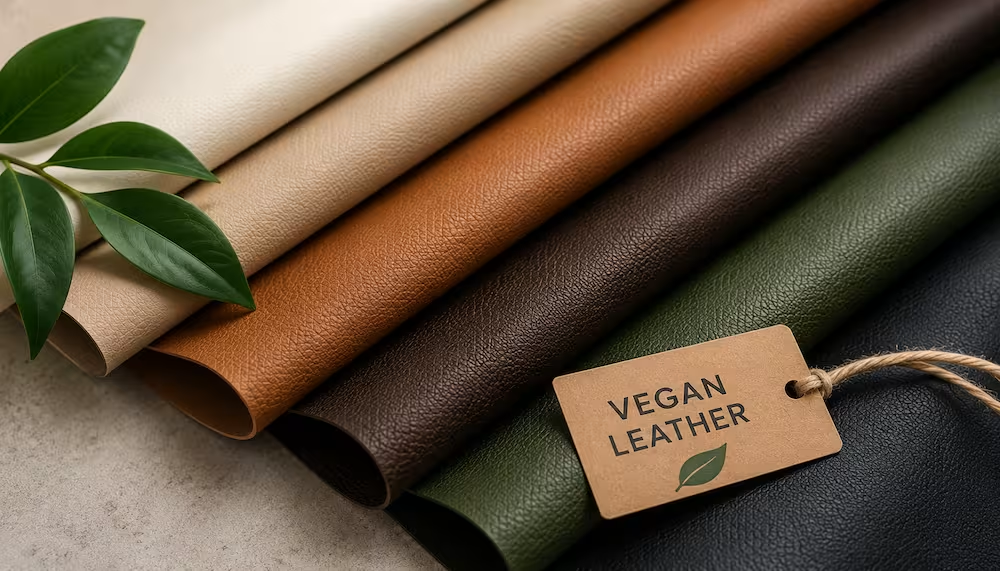
In recent years, sustainability has become a major focus in leather production. Many manufacturers now use vegetable tanning instead of traditional chrome-based methods to reduce environmental harm. Meanwhile, vegan alternatives such as PU leather, apple leather, and mushroom leather have gained popularity for their eco-friendly nature. These innovations aim to combine style, durability, and responsibility, shaping the future of the global leather industry.
Satin
Satin is a luxurious fabric known for its smooth, glossy surface and elegant drape. Technically, it refers to a weave structure rather than a specific fiber type. Traditionally made from silk, modern satin is also woven from polyester, nylon, or acetate, offering a range of prices and performance levels.
Its luminous sheen and soft texture make it popular for evening gowns, bridal wear, lingerie, blouses, ties, and high-end bedding. In interior design, satin is used for draperies and decorative cushions, adding sophistication to any space. Its fluid movement and reflective quality give satin a timeless association with elegance and luxury.
Velvet
Velvet is known for its pile surface, producing a soft, rich texture. It is used in fashion garments, upholstery, curtains, and accessories. Velvet can be made with silk, polyester, viscose, or blends.
Crepe
Crepe has a distinctive wrinkled or crinkled surface created by high-twist yarns. It drapes well, making it popular for blouses, dresses, and modest fashion garments. Silk, polyester, and wool crepe are common types.
Lace
Lace is a decorative, open-work fabric with artistic patterns. It is widely used in bridal fashion, lingerie, couture garments, and table decor. It may be handcrafted or produced with advanced lace machines.
Spandex
Spandex (or Lycra/Elastane) is a stretch fabric capable of extending up to 500% without losing shape. It is essential in sportswear, swimwear, leggings, and medical compression garments. Usually blended with other textile fabric names to enhance elasticity.
Rayon
Rayon is a semi-synthetic fabric made from regenerated cellulose, offering a silk-like appearance and smooth touch. It is breathable and comfortable for tops, dresses, and summer clothing. Variants include viscose rayon, modal, and lyocell.
Canvas
Canvas is a heavy-duty fabric made from cotton or polyester, known for its durability. It is used for tote bags, tents, shoes, and artist canvases. Water-repellent finishes make it suitable for outdoor gear.
Corduroy
Corduroy is a ribbed textile fabric featuring parallel ridges called wales. It is warm and comfortable, used mainly for trousers, jackets, and childrenswear. It offers retro yet modern fashion appeal.
Flannel
Flannel is a soft, brushed cotton or wool fabric that provides warmth and a cozy feel. It is popular in shirts, pajamas, and winter bedding. Common in colder countries.
Georgette
Georgette is a semi-transparent, lightweight woven fabric with a slightly grainy hand feel. It is used for gowns, abaya fabric, flowy blouses, and layered dresses. Silk and polyester are the main fiber options.
Jersey
Jersey is a knitted fabric known for comfort and flexibility. It is widely used in T-shirts, underwear, sportswear, and dresses. Jersey can be cotton, polyester, viscose, or blends — perfect for high-volume apparel manufacturing.
Poplin
Poplin is a lightweight, plain-weave fabric with fine ribs across the surface. It is ideal for shirts, uniforms, dresses, and table linens. Poplin maintains shape well and supports crisp tailoring.
Muslin
Muslin is a loosely woven cotton fabric, soft and breathable — historically used for draping and design sampling. It is also common in baby swaddles, curtains, and bakery applications (e.g., cheesecloth-style muslin).
Viscose
Viscose is a popular type of rayon with silky texture and excellent drape. It is widely used in dresses, tunics, scarves, and linings. Viscose accepts dyes very well, offering vibrant color options for fashion brands.
Acrylic
Acrylic is a synthetic fabric designed as a lightweight wool alternative. It provides warmth, softness, and resistance to moths and UV light. Acrylic is widely used in knitwear, blankets, and outdoor textiles.
Fabric Types Chart and their Uses
| Textile Fabric Name | Fiber Origin | Main Characteristics | Best Uses |
| Linen | Natural (Flax) | Breathable, strong | Summer wear, home textiles |
| Cotton | Natural | Soft, absorbent | Everyday clothing, denim |
| Silk | Natural protein | Luxurious sheen | Formal wear, scarves |
| Polyester | Synthetic | Durable, affordable | Sportswear, upholstery |
| Wool | Natural protein | Warm, resilient | Winter wear, carpets |
| Chiffon | Natural/Synthetic | Sheer, lightweight | Evening gowns |
| Nylon | Synthetic | Strong, elastic | Swimwear, outdoor |
| Denim | Cotton | Durable twill | Jeans and jackets |
| Leather | Animal hide | Tough, premium | Shoes, bags, interiors |
| Satin | Structural | Smooth, glossy | Lingerie, gowns |
| Velvet | Structural | Soft pile texture | Upholstery, dresses |
| Crepe | Structural | Crinkled texture | Womenswear |
| Lace | Decorative | Open-work patterns | Bridal fashion |
| Spandex | Synthetic | High stretch | Activewear |
| Rayon | Semi-synthetic | Soft, breathable | Dresses, tops |
| Canvas | Natural/Synthetic | Heavy duty | Bags, tents |
| Corduroy | Natural | Ribbed surface | Pants, jackets |
| Flannel | Natural | Brushed, warm | Winter wear |
| Georgette | Natural/Synthetic | Light, grainy | Flowing dresses |
| Jersey | Natural/Synthetic knit | Comfortable, stretch | T-shirts, underwear |
| Poplin | Natural/Synthetic | Crisp, smooth | Shirts, uniforms |
| Muslin | Natural | Loose plain weave | Sampling, baby textiles |
| Viscose | Semi-synthetic | Excellent drape | Fashion apparel |
| Acrylic | Synthetic | Wool-like feel | Knitwear |
Final Thoughts
With sustainability, innovation, and performance shaping future textile development, knowing different types of textile fabric helps brands choose smart materials that meet consumer expectations and global environmental goals. From natural fibers like cotton and linen to advanced synthetics such as polyester and spandex, every fabric plays a key role in fashion and lifestyle industries.
Kohan Textile Journal continues to help manufacturers, buyers, and designers understand textile classifications, market trends, and new technologies — ensuring better sourcing decisions across the global supply chain.