






The textile industry, as one of Iran’s most energy-intensive sectors, faces growing challenges related to energy deficits, power outages, and escalating production costs. These challenges, coupled with increasing environmental concerns, have urged many textile manufacturers to explore renewable energy solutions, with solar energy emerging as the most viable and sustainable alternative.
Pioneering Solar Energy Initiatives in Iran’s Textile Sector
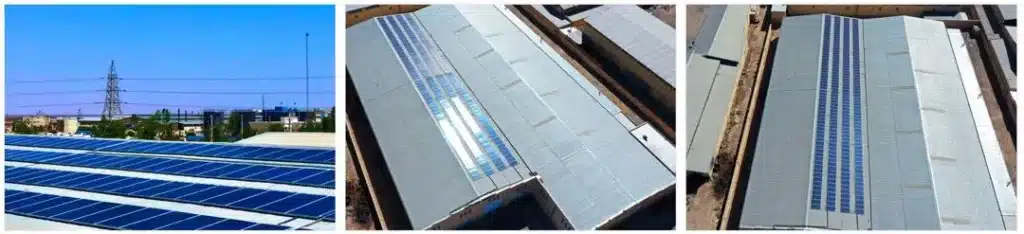
In recent years, several leading Iranian textile manufacturers have adopted solar energy by installing on-site photovoltaic (PV) power plants integrated into their factory infrastructures. For instance, the implementation of a 700-kilowatt solar power plant on the roof of a major textile facility has resulted in the annual generation of over 1.15 million kilowatt-hours of electricity, effectively reducing carbon emissions by approximately 875 tons of CO2 per year.
Over a 20-year operational lifespan, such installations are projected to:
- Save approximately 1.74 million cubic meters of natural gas, compared to conventional gas-powered plants.
- Reduce water consumption equivalent to tens of millions of bottled water units, which is critical given Iran’s water scarcity issues.
- Prevent the consumption of over 10,000 barrels of crude oil, contributing to the preservation of natural resources.
- Offset the need for planting over 50,000 trees to achieve similar levels of carbon absorption.
Legislative Incentives and Regulatory Framework
The Iranian government has introduced legislative mandates to encourage renewable energy adoption within industries. Notably, Article 16 of the Knowledge-Based Production Leap Law compels industrial units with electricity consumption exceeding 1 MW to procure at least 5% of their energy from renewable sources within five years. Failure to comply results in financial penalties, further motivating industries to invest in solar energy solutions.
Advantages of Solar Energy for Iran’s Textile Industry
- Cost Optimization: Solar energy significantly reduces long-term electricity costs and mitigates the risks associated with fluctuating utility rates.
- Revenue Generation: Industries can monetize excess electricity by feeding it back into the national grid.
- Branding and ESG Value: Adopting solar energy enhances corporate responsibility profiles, enabling textile companies to market their products as “green” and environmentally responsible, which is increasingly valued in international markets.
- Compliance and Risk Management: Investing in renewable energy infrastructure ensures compliance with emerging environmental regulations and avoids potential legal liabilities.
Path Forward for Sustainable Textile Manufacturing
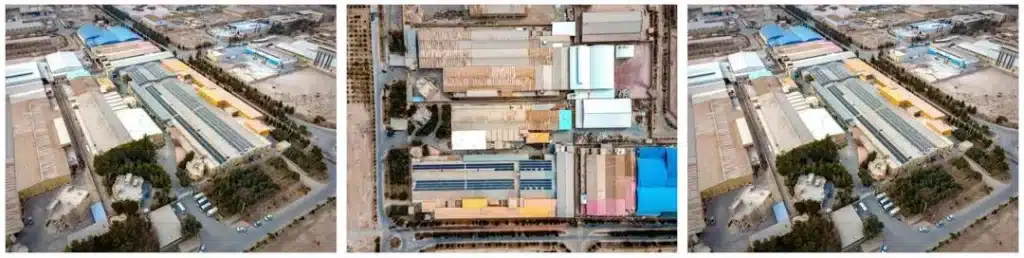
Iran’s textile sector holds immense potential for scaling solar energy initiatives, leveraging abundant rooftop spaces across manufacturing facilities. Beyond sustainability, such investments enhance operational resilience, reduce environmental footprints, and improve competitiveness in global markets, where eco-friendly production is becoming a decisive purchasing factor.
Conclusion
In an era where sustainable development and carbon footprint reduction are no longer optional, the integration of solar power in Iran’s textile industry is not just a strategic move but an imperative. By embracing renewable energy, the industry can pave the way toward a greener, more resilient, and economically sustainable future, ensuring its position in both domestic and international markets.











