




Interview with Mr. T.A. Motasim Billah / Manager (Printing) at Noman Group
Noman Group, founded in 1968 by Md. Nurul Islam in Bangladesh, began as a trading company before pivoting to textile manufacturing in 1975. Today it stands as Bangladesh’s largest vertically integrated textile group, with over 60,000 employees, 28+ factories, and annual revenue exceeding $1 billion. The group’s first industrial unit, Artex Fabrics Ltd, laid the foundation for a conglomerate that now exports home textiles, yarn, denim, and towels to Europe, the US, Japan, and Asian markets.
About Noman Group’s history and it’s success story
In 1997 Zaber & Zubair Fabrics Ltd was incorporated with a mission to grow up as an internationally recognized home textile manufacturing company. In 2011 the group opened 6 textile factories, by that time company was operating 19 plants. In 2012 the group opened a towel factory. By 2015 the company operated 28 factories and another 5 new plants were under development. Total revenue crossed $1 billion in 2013 and is growing. The group have over 60000 employees in Bangladesh.
2- What is Noman Group’s range of products?
Noman Group produce all types of home textiles such as Duvet cover, pillow cover, bedspreads, bed linens, bed throw, bed sheet, quilt cover, comforters, bed cover, curtains, shower curtains, table runners, upholstery, aprons, kitchen cloth, napkin, table cloth, chair pads, rug, mat.
The group produces yarns, fabrics, denim and towel. Recently the group started manufacturing polyester & nylon filament yarn and microfiber fabric.
3- How do you evaluate the textile industry in Bangladesh in general? (Updated with latest export figures and industry statistics)
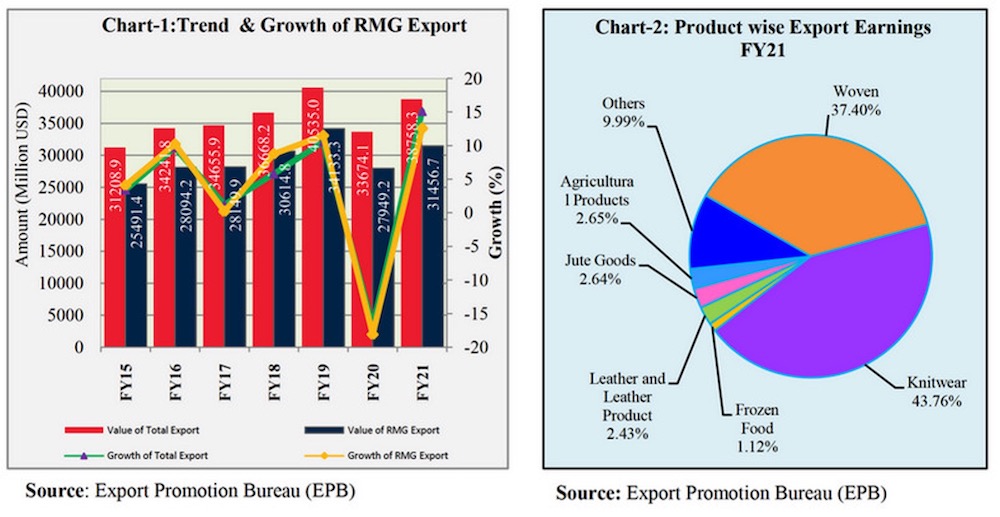
The textile and apparel industry remains the backbone of Bangladesh’s economy and continues to be its primary export-driven growth engine. As of 2024, the Ready-Made Garment (RMG) sector accounts for approximately 84–85% of the country’s total export earnings, reinforcing its critical role in Bangladesh’s industrial development.
Bangladesh currently holds its position as the world’s second-largest apparel exporter, particularly supplying major Western fast fashion brands across the United States and the European Union.
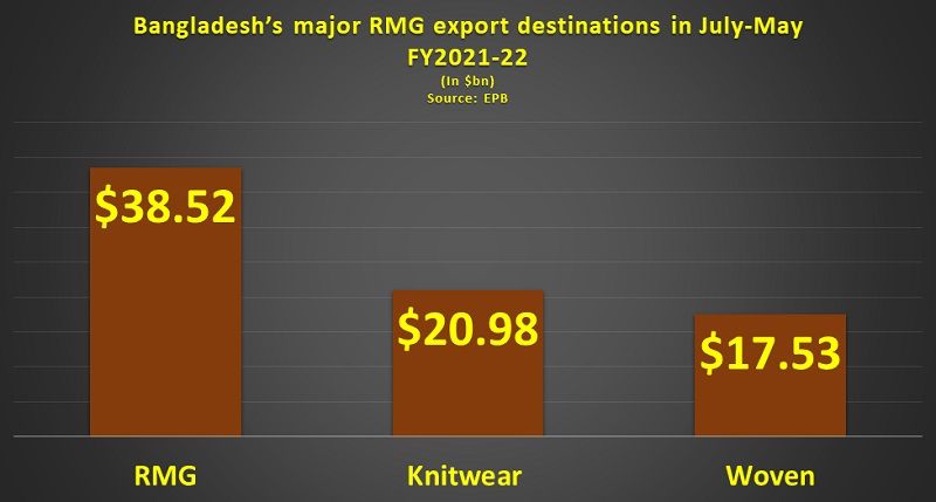
According to recent export data, Bangladesh’s total apparel exports reached approximately $47 billion in FY 2023–24, marking steady growth despite global economic challenges, inflationary pressures, and shifting supply chain dynamics.
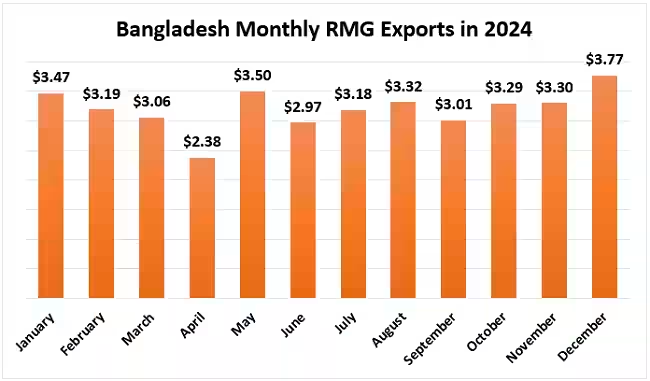
Monthly export figures in 2024 also reflect continued resilience in the sector, with RMG exports ranging between $2.3 billion and $3.7 billion per month, highlighting consistent international demand for Bangladeshi garments across key global markets.
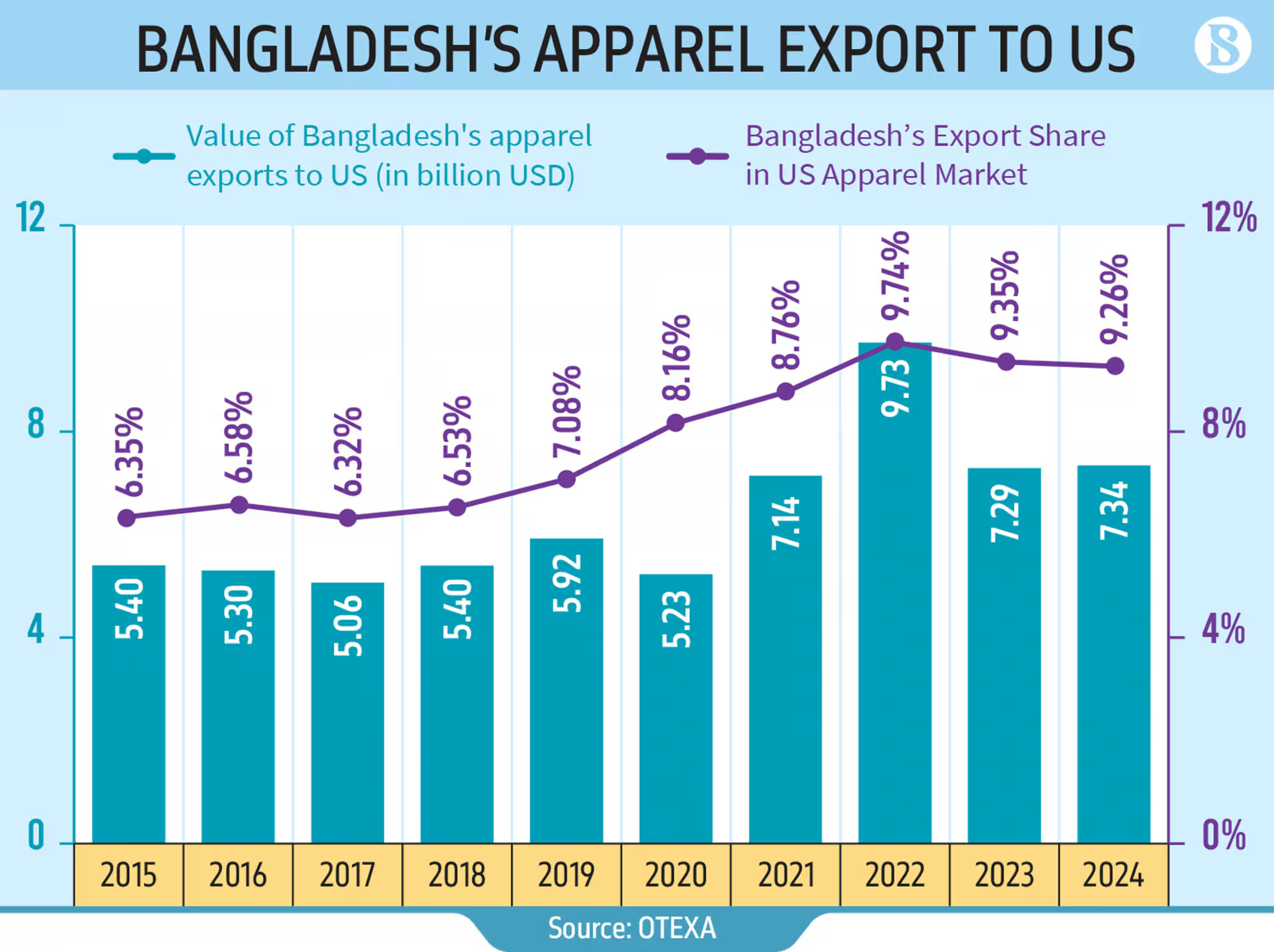
The United States remains one of the largest destination markets for Bangladeshi apparel. Over the past decade, Bangladesh has steadily increased both the value of its exports to the US and its market share within the American apparel import landscape. By 2022, Bangladesh’s apparel exports to the US reached nearly $9.7 billion, with its share of the US apparel import market rising to approximately 9.7%, compared to around 6.3% in 2015.
This upward trend reflects the country’s growing competitiveness in terms of cost efficiency, production capacity, and compliance with international sustainability and safety standards.
Looking ahead, the Government of Bangladesh has set ambitious export targets, aiming to surpass $60 billion in total merchandise exports in the near term. Continued investment in infrastructure, green manufacturing facilities, and supply chain modernisation is expected to support further expansion of the textile and apparel sector in global markets.
4- How many percent of your products are exported to international markets and how many percent use in Bangladesh’s local market? Where is your main export destinations and countries?
Actually, Noman Group is an export-oriented company. According to our country’s retailers and wholesalers on demand, the group produces some items for our local market. Noman group experts more than 80% and less than 20% for the local market.
Noman group experts to European Union, United States, Japan and Asian countries.
5- As a textile printing expert how do you evaluate the digital printing market and investment globally and especially in Bangladesh? What is the pros and cons?
Bangladesh is fast growing in textile printing with Rotary, Flatbed & digital printing. Bangladesh has gained and ability to compete with any country in the world with All Overprinting (Screen Printing), but we are still so much behind in Digital Printing.
Recently, rapidly increasing digital printing accordingly. In 2015, 1st time digital printing was used for fabric printing by Beximco Group. At present, there are almost 25 digital printing factories. The world’s fastest digital printing machine MS Lario is in Bangladesh’s Robintex Group.
At present, we facing an order crisis of digital printing. If digital printing order is available in Bangladesh, in the future lots of company will invest in Digital printing.
Pros:
- Use of water is 90% less and electricity is 30% less than the traditional printing process. Because there is no need to wash screens by applying new colors.
- Required less manpower than traditional printing.
- In digital printing, there is no need to do any calculation of repeat measurement. The design of any measurement can be developed.
- No need of screen engraving and color separation, which process is cost-effective.
- Less wastage of dyes/inks and chemicals than flatbed or rotary screen printing.
- Lower fixed costs and lower sample costs are the top benefits of digital textile printing.
- Low capital investment.
If we compare digital printing machines with conventional Rotary & Flatbed that conventional can use 10-15 years with less maintenance cost but for digital it is not possible. If digital printing machines, spare parts and services become available and cost-effective, definitely this sector will be longer. As digital printing is globally environmentally sustainable than conventional printing. It’s business and investment will increase not only in Bangladesh but also globally.
Cons:
- Lower production. It depends on the machine head. The higher the machine head, the higher the production. But recently highly productive machines (MS Lario, EFI Reggiani Bolt) are in the market but it is costly.
- It is not possible to digitally print at any temperature. Have to do digital print in AC room, otherwise, if the temperature rises, the machine will stop automatically and the ink will coagulate and the print head will be damaged.
- The heads of digital printers cannot be reused.
- Printing on deep-dyed fabric is not possible.
6- How do you predict next year for the textile and apparel industry?
Textile & apparel industry is a bit behind due to the global economic crisis and Russia vs Ukraine war. If war doesn’t increase and move to world war, hope from next year the textile and apparel sector will improve and also world economy will become stable.
7- How do you evaluate Bangladesh government support for the textile industry? Is it enough? How government can help Bangladeshi textile manufacturers?
The government always supports for textile industry. If the government doesn’t support the textile sector it never becomes 80% of the country’s total export.
The government start different training & courses to develop mid-level management through the Skills for Employment Investment Program (SEIP).
At present 9 EPZ are running and BEPZA announced that in 15 years 100 EPZ will be established. Recently the government has approved 37 new Economic Zones, which consists of governmental, non-governmental and special economic zone.
Bangladesh is behind in technical and synthetic textiles. If government offer some initiatives like a reduction of tax, prize money, and incentives to entrepreneurs for producing these types of special textile items, hope they will be interested in this new business.
8- At the end, you can add any other information that you think is interesting for readers in the EMEA region and a better interview.
As a textile graduate and experienced in textile I always advise that close supervision is the key to success in the textile sector for improvement of quality & production.
Try to make sustainable the textile sector. Because if we work against our environment, finally we will be the main sufferer of polluting our environment. Plant trees and save the world.













Noman group is alaways best
We would like to inquire about your current and upcoming requirements for U.S. origin raw cotton for spinning operations. We work closely with established U.S. exporters and are exploring potential supply opportunities for Bangladesh-based mills.
For your reference, prices would be quoted on a CFR Chattogram basis, in U.S. cents per pound, and all contracts would be governed by International Cotton Association (ICA) Rules, Bylaws, and Arbitration, which is customary for cotton imports into Bangladesh and consistent with 100% of our sales.
Pricing would be based on the ICE Cotton #2 Futures market, with differentials applied according to quality specifications and shipment period.
To better understand your needs, we would appreciate it if you could kindly advise on:
– Preferred cotton specifications (grade, staple length, micronaire, strength, etc.)
– Approximate monthly or quarterly volume requirements
– Preferred shipment windows
– Standard payment terms (LC at sight / usance)
We would welcome the opportunity to discuss further and explore how we may support your sourcing requirements.
Thank you for your time and consideration. We look forward to your response.
Dear Sanjida,
Thank you for reaching out and for the detailed introduction to your cotton sourcing capabilities.
At this stage, we do not have immediate requirements for U.S. origin raw cotton, as our current sourcing plans are aligned with existing supply arrangements. However, we appreciate you sharing the specifications, pricing structure, and commercial framework, which are duly noted.
Should our procurement needs change or if future opportunities arise, we will be pleased to reconnect and explore potential cooperation.
Thank you again for your interest, and we wish you continued success in your engagements with the spinning sector.