




Nigeria is intensifying efforts to revive its struggling textile industry as annual imports continue to surge, placing pressure on foreign exchange reserves and weakening domestic production.
Minister of State for Industry John Owan Enoh revealed that the country spends approximately $6 billion each year on textile imports, underscoring the urgency of rebuilding the Cotton, Textile and Garment (CTG) value chain.
Decline in Cotton Production Raises Concerns
Speaking at the completion ceremony of Phase 1 of the National CTG Industrial Transformation Programme in Abuja, Enoh highlighted the dramatic collapse of Nigeria’s cotton sector.
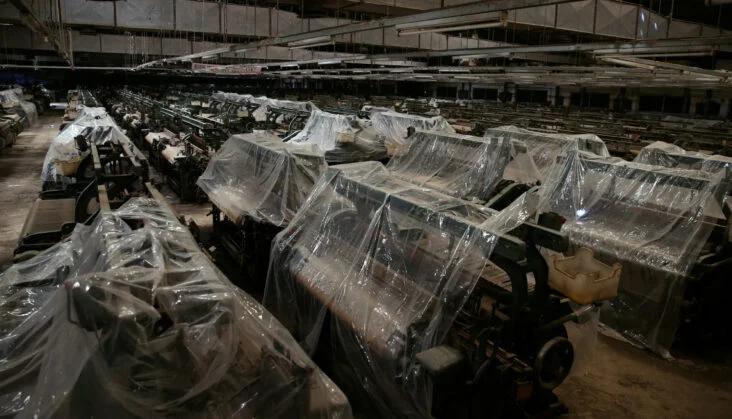
National production has plunged from around 2.5 million metric tons in the early 2000s to just 10,000 metric tons in 2025—a decline that industry observers describe as one of the most critical structural weaknesses in the country’s industrial base.
Government Push to Rebuild the Value Chain
The federal government is now prioritizing the revival of the CTG sector as part of a broader industrialisation strategy. The goal is to reduce reliance on imports, conserve foreign exchange, and create large-scale employment opportunities.
A new strategic policy framework for the textile industry is expected to be unveiled between June and July 2026, aimed at attracting investment and providing regulatory clarity for stakeholders.
Read More: India Pledges Support for Nigeria’s Textile Industry Revival
Early Signs of Recovery
Despite the sector’s challenges, pilot initiatives under the CTG transformation programme suggest that recovery is possible. According to Enoh, local production cycles—from cotton cultivation to finished garments—can be achieved within months if supported effectively.
He also noted that garments produced under the programme are already competitive with imports in terms of quality, pricing, and output.
Financial Support for Industry Growth
The Bank of Agriculture has pledged to support cotton farmers and other players across the value chain, reinforcing efforts to rebuild domestic supply.
Industry stakeholders believe that Nigeria retains the core elements needed for revival, including raw materials, skilled labour, and historical expertise in textile production.
A Strategic Turning Point
The renewed focus on the textile sector reflects Nigeria’s broader ambition to diversify its economy and strengthen local manufacturing capacity.
However, the scale of the decline suggests that recovery will require sustained policy support, investment, and structural reforms.
If successfully implemented, the CTG revival strategy could reduce import dependency, stabilize the sector, and reposition Nigeria as a competitive textile producer in Africa.











