

When Mauritius gained independence in 1968, its economy was heavily dependent on sugar. Today, the island is recognized internationally for its textile and apparel manufacturing, particularly its expertise in denim.
The transformation did not happen overnight. It was the result of government policies designed to attract manufacturers, access to international markets and decades of investment in industrial skills and technology.
One company whose history reflects that evolution is Firemount Textiles, established in Mauritius by British entrepreneur Anil Kohli in 1987.
Nearly four decades later, its development from a garment manufacturer into a vertically integrated denim producer illustrates how the Mauritian textile industry has adapted to changing global competition.
Read more: Africa Textile Industry Advances Sustainable Growth
The Foundations of an Export Industry
Mauritius introduced its Export Processing Zone (EPZ) framework in 1970 as part of a broader effort to diversify the economy and create employment beyond agriculture.
The government encouraged overseas manufacturers to establish export-oriented operations through favorable tax arrangements, duty concessions and access to international markets.
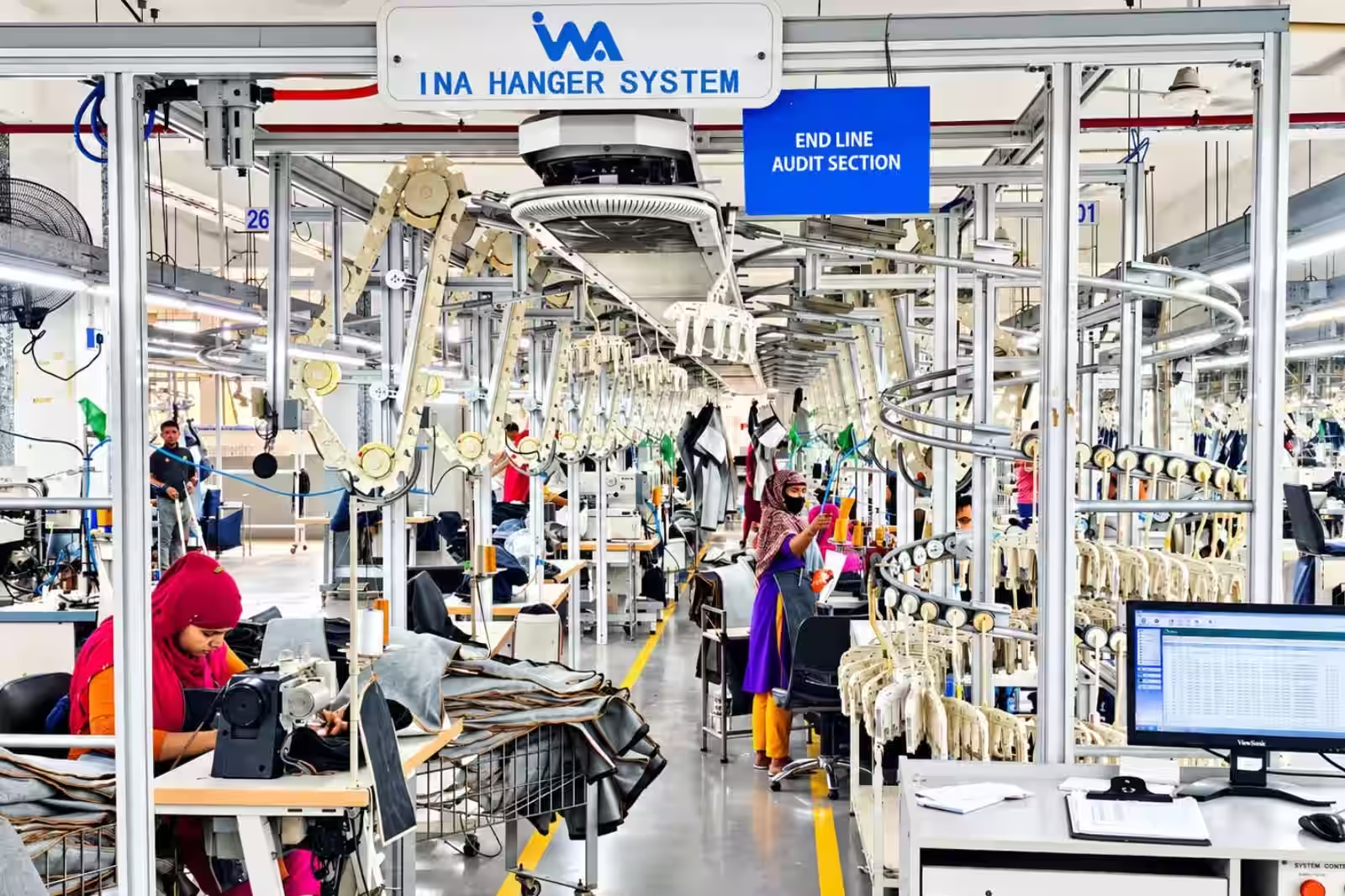
By the 1980s, the island had developed a substantial garment manufacturing industry. Factories were producing knitwear, sweaters, T-shirts, shirts, trousers and other clothing for export, particularly to European customers.
This existing industrial base was important. Mauritius was not starting from scratch. It already had garment workers, manufacturing infrastructure and businesses supplying fabrics and other production materials.
For international entrepreneurs, the combination of an established workforce, government support and preferential trade arrangements made the island an attractive manufacturing location.
From London to Mauritius
Anil Kohli had already established a denim garment manufacturing business in London, supplying customers in the United Kingdom.
Following a fire at his London factory, he began exploring opportunities to relocate production. Mauritius, with its growing garment industry and government incentives for export manufacturers, offered an alternative.
He established Firemount Textiles in 1987, initially purchasing denim fabric from local suppliers and manufacturing garments for his existing customer base.
The availability of labor was striking.
Kohli recalls that, in those early years, a single recruitment advertisement could attract hundreds of applicants. Garment manufacturing offered employment opportunities to a population whose economy was undergoing rapid change.
As Firemount expanded, it became part of the wider growth of Mauritius’s export-oriented textile sector.
The Changing Economics of Global Manufacturing
The international textile industry changed considerably during the following two decades.
Competition intensified as countries including China, India, Bangladesh and Pakistan expanded their garment manufacturing capabilities. Their scale of production and lower labor costs made it increasingly difficult for Mauritian factories to compete on price alone.
Mauritius was also developing economically. Employment opportunities expanded beyond manufacturing, while wages and the cost of operating factories increased. Over time, Mauritius developed a higher-wage manufacturing environment than several of its major Asian competitors.
In 2026, the country’s national minimum wage reached Rs 17,745 per month, approximately US$375. For context, statutory minimum wages in several competing Asian garment-manufacturing markets are considerably lower, although rates vary by country, region and industry.
For Mauritian manufacturers, this created a commercial challenge. Competing solely on the cost of producing a basic garment was becoming increasingly difficult.
Kohli recognized that Firemount needed to offer international customers something beyond the lowest possible manufacturing price.
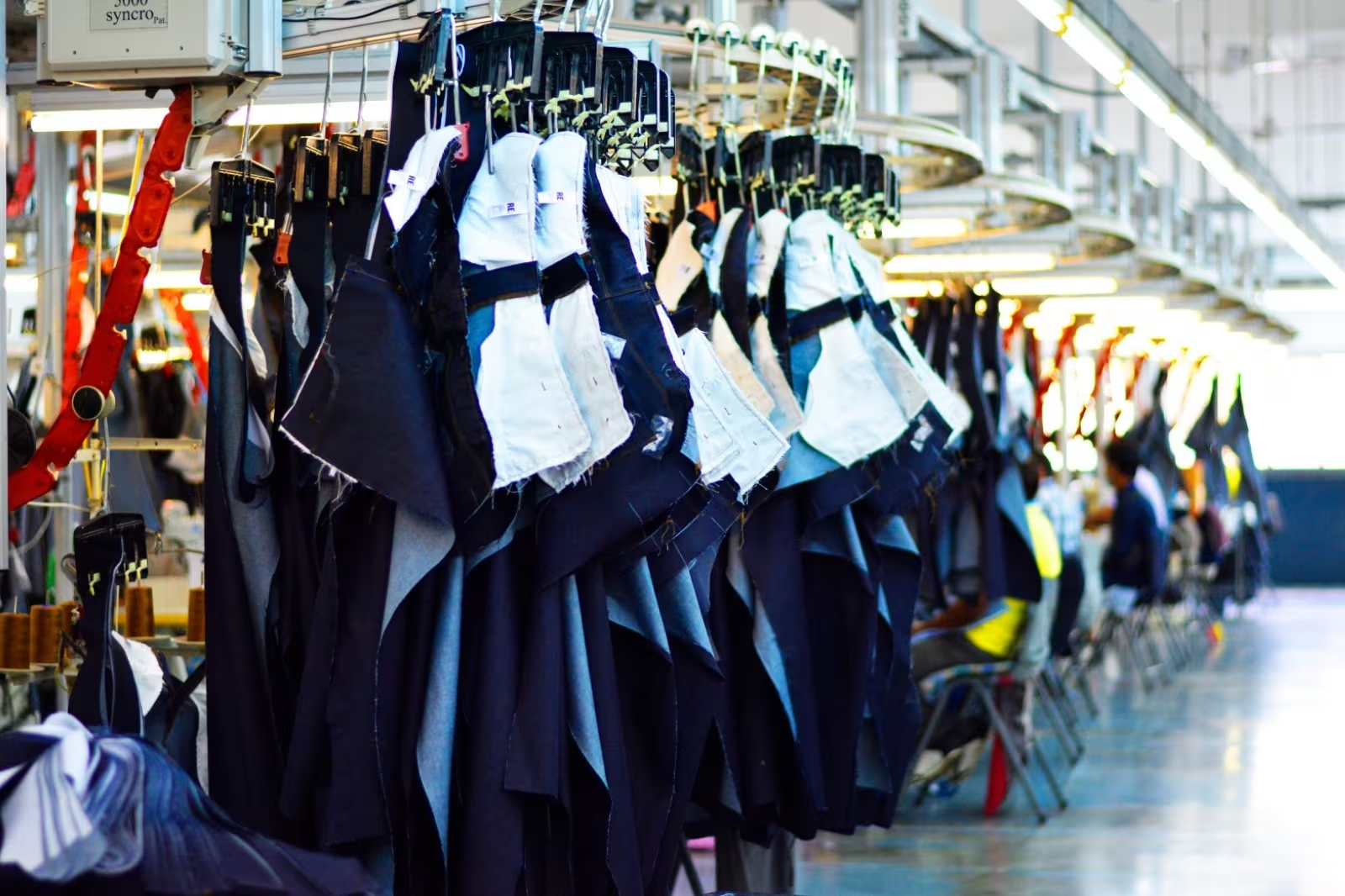
The company began placing greater emphasis on specialized denim, technical capabilities, manufacturing flexibility and higher-value products.
Read more: Beyond Potassium Permanganate: Perspectives for More Responsible Denim Finishing
A Turning Point: The 2010 Denim Mill Acquisition
One of the most significant developments in Firemount’s history came in 2010, when the company acquired a denim fabric manufacturing mill that had gone into liquidation.
Firemount had previously purchased fabric from the mill. Bringing that manufacturing capability into the business changed the company’s operating model.
Rather than depending entirely on external fabric suppliers, Firemount could participate in the complete production process, from cotton and yarn through fabric manufacturing to finished garments.
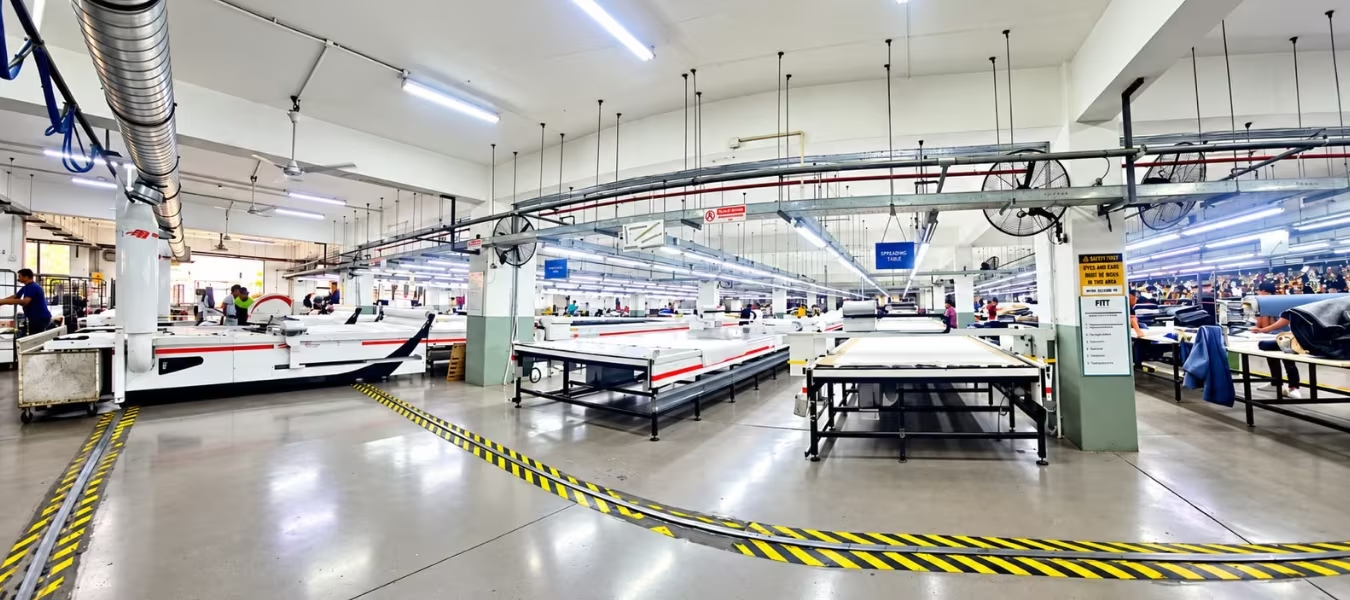
The acquisition added spinning, warp preparation, dyeing, weaving and fabric finishing to the group’s existing garment production operations.
This vertical integration provided greater control over fabric quality, product development and production coordination.
It also enabled the company to respond to changing customer requirements and develop denim products for more specialized markets.
For a manufacturer operating in a higher-cost environment, these capabilities offered an important competitive advantage.


Innovation and the Development of Premium Denim
Denim manufacturing involves considerably more than sewing jeans.
Fabric weight, yarn construction, fiber composition, stretch characteristics, dyeing methods and finishing techniques all influence the appearance, durability and performance of the finished garment.
Through its integrated operations, Firemount has developed the ability to produce a variety of denim fabrics and garments for different customer requirements.
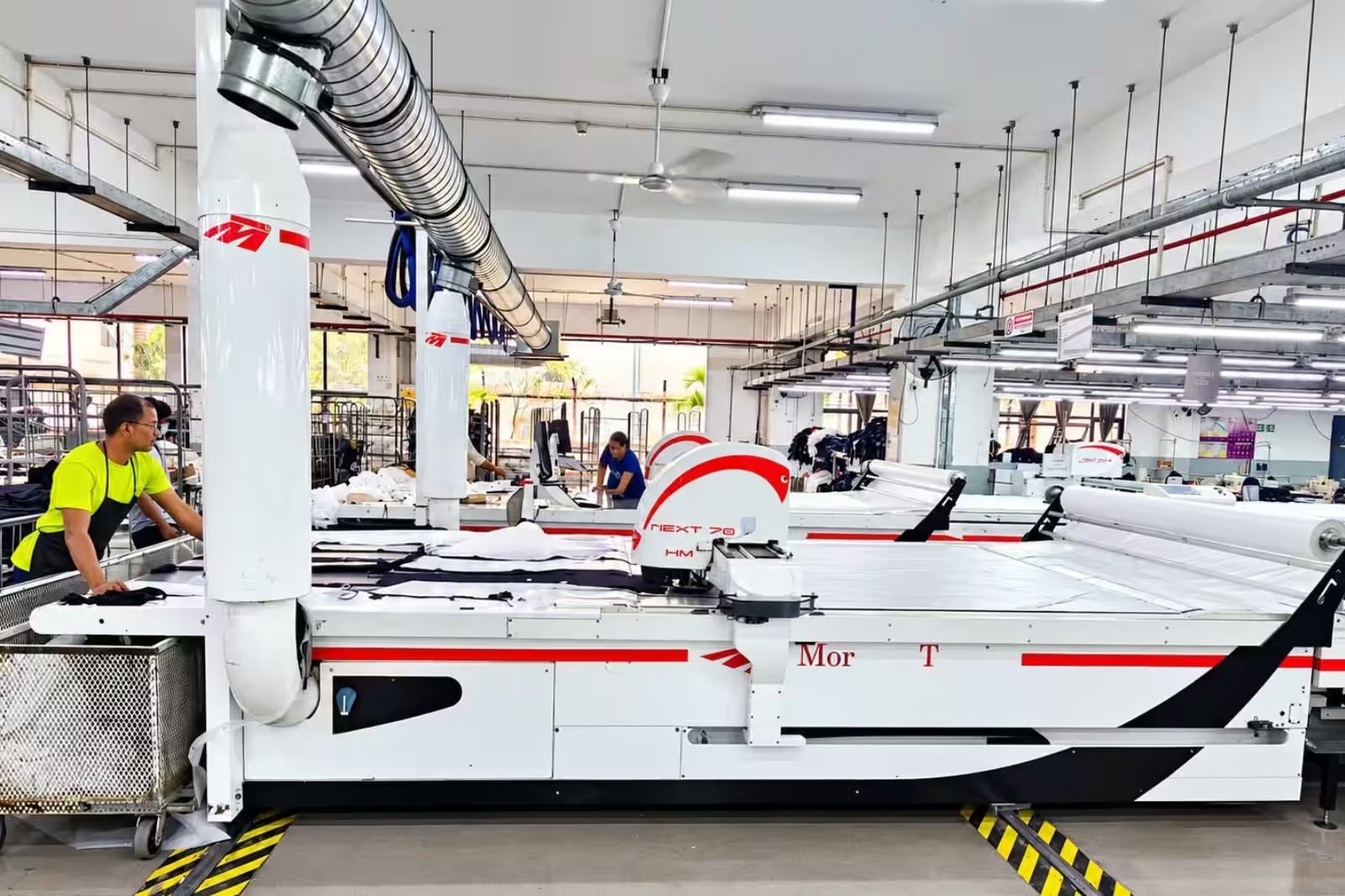
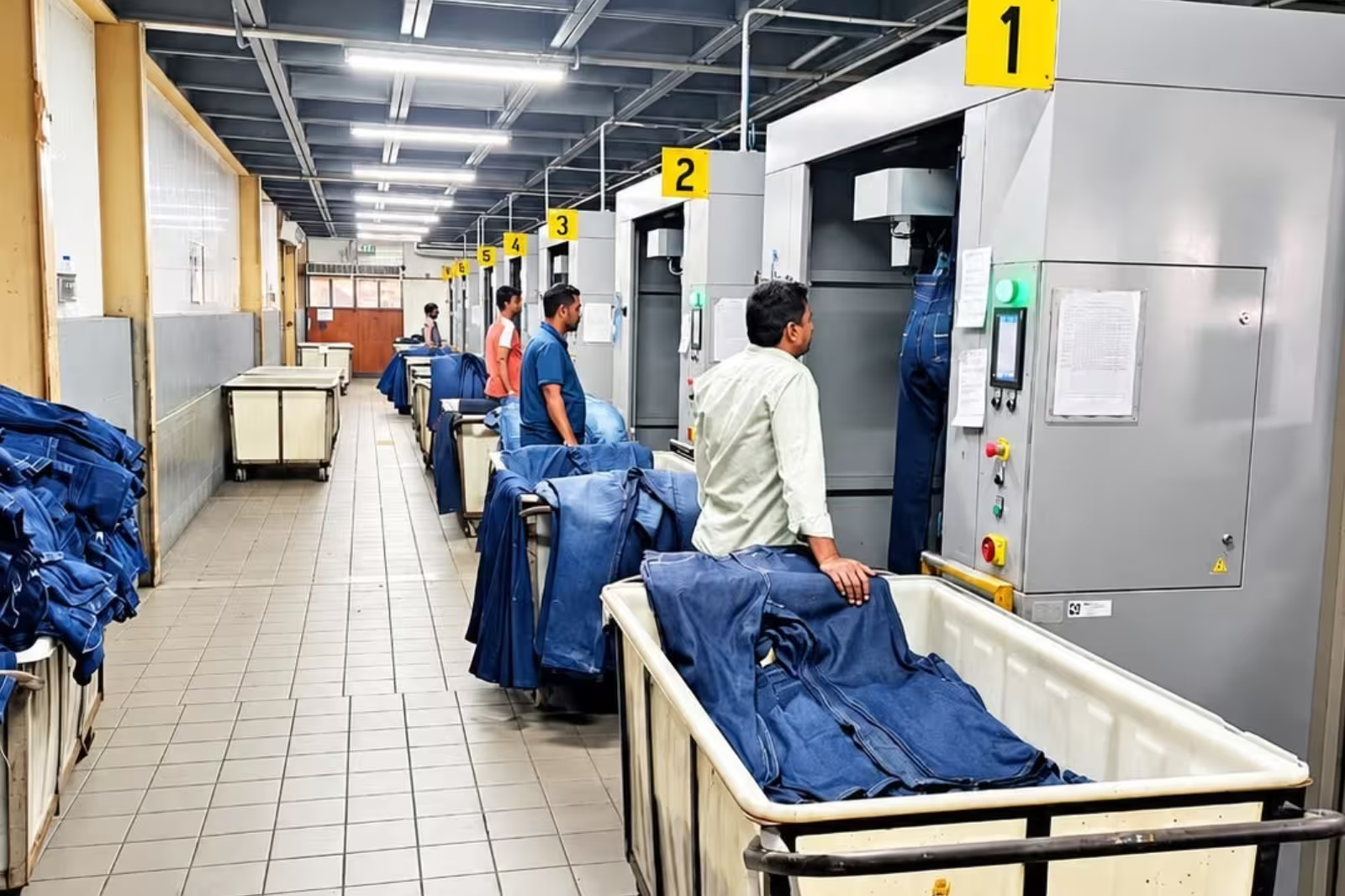
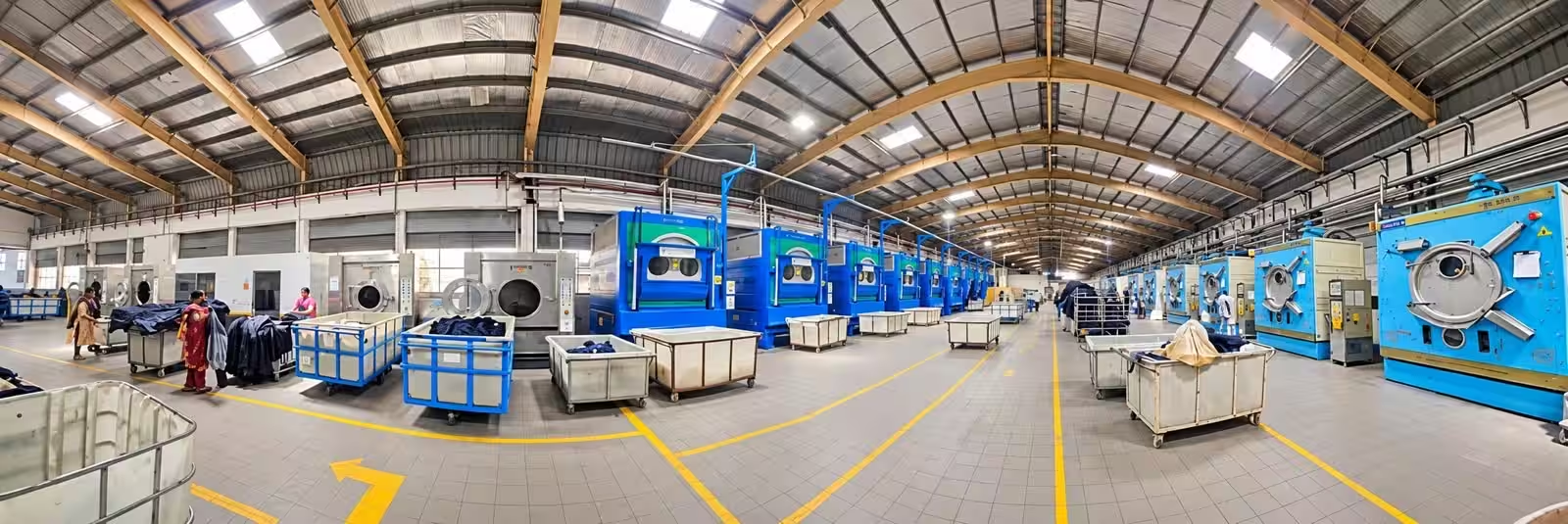
The company has also invested in modern production machinery, laser finishing and specialized garment washing processes. Its work with Italian washing specialists has contributed to the development of different denim finishes and treatments.
These technical capabilities allow manufacturers to distinguish themselves through product development and consistency rather than price alone. They also reflect a broader transition within the Mauritian industry toward more sophisticated, higher-value textile manufacturing.
Trade Agreements and International Markets
Preferential access to international markets has played an important role in Mauritius’s textile development.
Early access to European markets helped establish the country’s export manufacturing sector.
The introduction of the United States’ African Growth and Opportunity Act (AGOA) in 2000 created further opportunities by allowing eligible apparel products from qualifying African countries to enter the American market duty-free, subject to applicable rules.
For manufacturers such as Firemount, these arrangements helped offset some of the disadvantages associated with higher production costs.
Mauritius has continued to develop its international trade relationships, with the Economic Development Board highlighting preferential market access as a major advantage for the country’s textile and apparel industry.
According to the Economic Development Board, Mauritius exported approximately US$155 million in denim products in 2023.
Total textile and apparel exports reached approximately Rs 20 billion in 2024. The figures demonstrate the continuing importance of an industry that began its expansion more than half a century ago.
Sustainability and Responsible Manufacturing
Environmental considerations have become another area of development within the Mauritian textile industry.
International fashion brands increasingly examine how products are manufactured, including the sourcing of raw materials, water consumption, chemical use and production processes.
Firemount’s published manufacturing initiatives include cotton sourcing through the Better Cotton system, denim designed to use less water and the use of recycled materials in selected yarns.
The company has also invested in technologies intended to improve the efficiency and consistency of denim finishing. These developments form part of a broader effort to respond to customers seeking greater transparency and more considered manufacturing practices.
For Mauritius, the combination of technical expertise, established labor regulations and environmental initiatives provides an alternative to competing exclusively through low production costs.


A New Challenge: Finding Skilled Workers
The labor market that greeted Kohli in 1987 has changed dramatically. Where recruitment advertisements once attracted hundreds of applicants, finding suitable employees can now take weeks. Mauritians have a wider range of employment opportunities, including tourism, financial services and jobs overseas.
Kohli has seen experienced employees leave for better-paid positions abroad, including employment on cruise ships. Firemount has increasingly recruited workers from countries including Madagascar, Sri Lanka, India and Nepal to support its manufacturing operations.
At the same time, modern textile machinery requires technical knowledge and training that differ from the skills needed in traditional garment assembly. Developing and retaining skilled workers has therefore become an important part of the industry’s long-term competitiveness.

What Mauritius Can Teach Other Manufacturing Economies
Mauritius’s textile industry offers a useful example of how an export manufacturing economy can evolve. Its early success was built on government incentives, international trade access and the availability of labor. As the economy developed and global competition intensified, manufacturers faced different pressures.
Firemount’s experience illustrates one response: investing in vertical integration, product innovation, technical expertise and specialized markets rather than attempting to compete indefinitely on labor costs.
For other African countries seeking to develop their manufacturing sectors, the lesson is not simply to replicate the Mauritius of the 1980s.
It is to recognize that industrial development requires continuous adaptation.The conditions that attract manufacturers in the early stages of an industry’s growth will not necessarily sustain them decades later.
The Next Chapter
Mauritius remains an established exporter of textiles and apparel, but its future competitiveness will depend on its ability to respond to changing international markets.
Technology, environmental performance, workforce development and product innovation are becoming increasingly important.
For Firemount, the journey from garment assembly in 1987 to integrated denim manufacturing reflects those wider changes.
And for Mauritius, the story of its textile industry demonstrates how a small island economy moved beyond its agricultural beginnings to establish a place in international manufacturing, not simply by producing more cheaply, but by learning to produce differently.