The global textile and fashion industry, valued at nearly one trillion dollars, remains one of the most energy-intensive and resource-hungry sectors of the modern economy. From growing cotton and producing synthetic fibers to spinning, weaving, dyeing, finishing, and finally delivering garments to consumers, almost every step in the textile supply chain requires energy—most of which still comes from fossil fuels. As the world faces accelerating climate risks, CO₂ emissions, water scarcity, and growing waste volumes, the industry stands at a crucial turning point. Understanding how textiles consume fuel today—and how fabrics might one day generate energy—is essential for shaping a more sustainable future. Read more!
What Is the Main Source of Energy Used in the Textile Industry?
The main source of energy used in textile manufacturing globally is fossil fuels, primarily coal and natural gas. These fuels power nearly all energy-intensive steps of textile production, including:
- Spinning: 34% of total energy use
- Weaving: 23%
- Chemical processing (dyeing & finishing): 38%
- Other processes: 5%
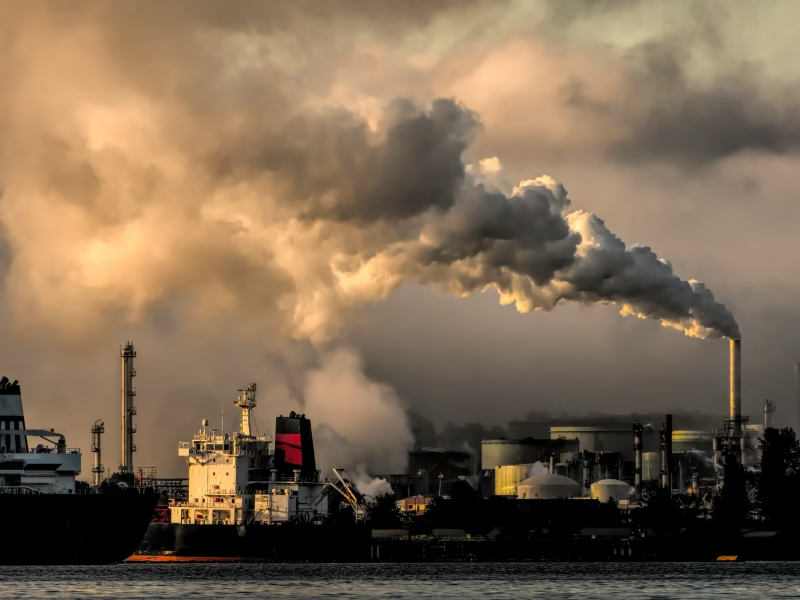
These stages require large quantities of heat, steam, electricity, pressurized water, and mechanical power. In countries where textile clusters dominate—such as China, India, Bangladesh, Turkey, Vietnam, and Indonesia—the national energy mix remains heavily coal-based. As a result, the textile sector generates enormous greenhouse gas emissions.
Why Energy Matters in Textiles?
Energy determines the environmental impact of almost every stage of textile production:
- Cotton cultivation depends on diesel-powered irrigation and machinery.
- Synthetic fiber such as polyester require fossil fuels as raw materials.
- Dyeing and finishing demand extreme heat and vast amounts of water.
- Fabric drying, curing, and calendaring require long thermal cycles.
- Global transportation of textiles consumes additional fuel.
The industry is also highly inefficient, nearly 50% of all energy input is lost across the production line due to outdated machinery, heat loss, or poor process optimization.
Dyeing and finishing alone account for 60–70% of the total environmental impact of textiles because these processes require high temperatures, chemical baths, and continuous heating cycles.
As climate regulations tighten and global energy prices fluctuate, the textile industry must rethink its energy model—transitioning from fossil fuels to renewable sources and more efficient systems.
Is Fossil Fuel Used in the Fashion Industry?
Yes! fossil fuel dependency is embedded throughout the fashion industry, both as an energy source and as a raw material.
Fossil Fuels as Energy
Fashion production relies heavily on coal and natural gas to power:
- Industrial dyeing and finishing machinery
- Synthetic fiber production plants
- Steam boilers
- Textile mills and garment factories
- Global shipping routes
- Large-scale heating and cooling systems
These energy requirements make fashion responsible for 10% of global greenhouse gas emissions, exceeding emissions from international aviation and shipping combined.
Fossil Fuels as Materials
The modern fashion industry is built on synthetic fibers—most importantly polyester, a plastic material derived from crude oil and natural gas.
Key facts:
- Polyester is found in over 50% of all textiles produced.
- Synthetic fibers currently account for 1.35% of global oil consumption—more than Spain’s annual oil use.
- Polyester production emits over 700 million tons of CO₂ per year.
- By 2030, synthetic fibers will reach 73% of all global fiber production, with polyester representing 85% of that.
- Fashion’s low-cost, high-speed business model depends on cheap fossil fuels to keep prices down.
Fast Fashion + Fossil Fuel = A Vicious Cycle Since the early 2000s:
- Fashion production has doubled.
- Consumers buy 60% more clothes but wear them half as long.
- Textile waste is exploding:
- 17 million tons of textile waste landfilled (2017)
- 3.2 million tons incinerated annually
Most of these products contain synthetic fibers that cannot be recycled and instead become microplastic pollution.
Fast fashion energy consumption: The fashion industry doesn’t just use fossil fuels, it is structurally built on them.
How Much CO2 does the Textile Industry Produce?
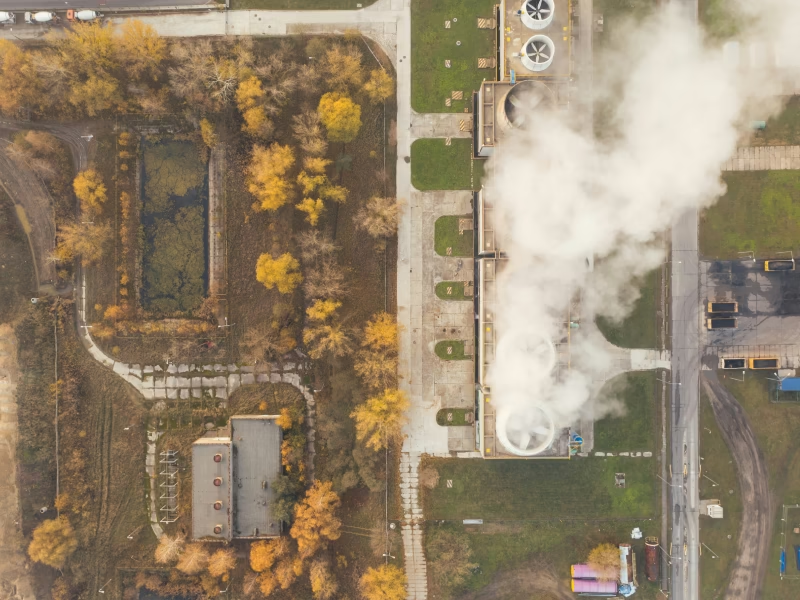
Textile Industry carbon emissions are a very sensitive and important issue. The textile sector plays a significant role in driving climate change, generating nearly 4 billion tons of CO₂ each year; roughly 10% of the world’s total greenhouse gas emissions.
Also, Air pollution in the textile industry arises from boiler systems that burn fuel, dyes that release VOCs, and finishing treatments packed with chemicals. These emissions impact not only the environment but also the health of workers and nearby residents.
How Much Energy does the Fashion Industry Use?
The fashion sector uses more energy than both the aviation and maritime industries put together. Each year, around 70 million barrels of oil are required to manufacture the polyester found in textiles. In fact, the energy needed to make a single T-shirt is enough to keep a light bulb on for about ten days.
Is Textiles a Source of Fuel?
This question has two interpretations—both important.
No, Textiles Are Not Fuel!
Historically, textiles are not used directly as fuel because:
- Natural fibers (cotton, wool, silk) burn but are too valuable to waste.
- Synthetic fibers release toxic chemicals when burned.
- Textile incineration contributes to air pollution and CO₂ emissions.
Up to now, the industry has been a fuel consumer, not a producer.
Yes, Textiles Might Become a Source of Renewable Energy
New research shows growing potential in energy recovery from textile waste, including:
- Biomass energy from cotton and plant-based fibers
- Fuel from pyrolysis of mixed textile waste
- Chemical recycling generating feedstocks for new materials
However, these technologies are still costly, limited in scale, and not yet widely implemented.
The more promising direction is not burning textiles for fuel—but designing them to generate energy.
Can Fabrics Power the Future of Fuel?
This is where the future becomes exciting. The textile industry is entering an era of energy-harvesting fabrics, merging electronics, renewable energy, and smart materials.
Solar Fabrics
Developed using flexible photovoltaic (PV) fibers:
- Can generate electricity directly from sunlight
- Can be woven into clothing, curtains, awnings, tents
- Useful for outdoor workers, military, and emergency shelters
Piezoelectric Textiles
These fibers generate electricity from movement or pressure, including:
- Walking
- Bending
- Wind flow
- Body motion
- Potential uses:
- Self-powered medical sensors
- Wearable electronics
- Charging small devices
Thermoelectric Fabrics
These convert body heat into electricity.
Potential uses:
- Winter sports clothing
- Military gear
- Smart bedding
- Home textiles
Energy-Harvesting Home Furnishings
Imagine:
- Curtains that power window sensors
- Sofas that power small appliances
- Carpets that generate electricity as people walk
- Upholstery fabrics connected to micro-storage systems
Textile-Integrated Energy Storage
Future fabrics may incorporate:
- Flexible batteries
- Supercapacitors
- Energy-storing nanomaterials
This would allow clothing to store and release energy efficiently.
How the Textile Industry Must Change?
While still in early development, prototypes already exist in research labs. Within the next 10–20 years, textiles may become a significant energy micro-source, supporting buildings, wearables, and smart environments. The textile industry stands at a crucial intersection:
- Challenge: Dependence on fossil fuels—both for energy and materials—is accelerating climate change, pollution, and waste.
- Opportunity: Renewable energy, energy efficiency, and material innovation are rapidly advancing.
What the Industry Must Do?
Transition to Renewable Energy
- Solar PV and solar thermal
- Wind power (on-site and off-site PPAs)
- Biomass and Combined Heat & Power (CHP)
- Geothermal energy for dyeing and finishing
Upgrade Machinery for Energy Efficiency
- Low-liquor dyeing systems
- Heat recovery systems
- High-efficiency motors
- Temperature optimization
Move Away from Fossil-Based Fibers
- Reduce polyester dependency
- Increase recycled fibers content
- Invest in bio-based fibers
Implement Stronger Regulations
- Extended Producer Responsibility (EPR)
- Mandatory recycling targets
- Limits on fossil-based synthetic fiber production
Promote Circular Design
- Longer-lasting clothing
- Easier-to-recycle textile blends
- Mechanical and chemical recycling technologies
Conclusion
Fuel consumption sits at the heart of the textile industry’s environmental impact. For over a century, textiles have relied on fossil fuels to power machines, produce fibers, and drive global supply chains. Today, this model is no longer sustainable.
The world’s textile producers must embrace renewable energy, invest in efficient technologies, and accelerate the shift away from fossil fuel–derived materials such as polyester. At the same time, the frontier of innovation is pointing toward energy-harvesting textiles—fabrics capable of generating electricity from sunlight, motion, or heat.
This transition is not optional. As global demand for textiles grows and environmental pressures intensify, the future of the industry depends on cleaner energy, smarter materials, and a radical rethinking of the role textiles can play in a low-carbon world.
Elevate your brand’s visibility across the global textile and fashion industry with Kohan Textile Journal. From Display Ads and Video Promotion to Press Releases, Event Coverage, PR & Marketing, and comprehensive Content Creation & Promotion, our media solutions help industry leaders reach the right audience with maximum impact. Discover how we can support your next campaign through Kohan Textile Journal Services or connect with key markets via Textile Industry Events.