




The global textile and nonwovens industry continues to focus on innovation and sustainability as two major international exhibitions showcase the latest developments in textile production and machinery.
This year, the industry’s attention will turn to two important events: INDEX in Geneva and ITMA in Milan. These exhibitions provide a global platform where manufacturers, technology providers, and researchers present new solutions aimed at improving efficiency, sustainability, and performance across the textile value chain.
INDEX Geneva Focuses on Nonwovens and Disposable Textile Applications
The first event, INDEX, will take place in Geneva and will highlight innovations in nonwoven production technologies. The exhibition focuses particularly on disposable textile applications used in hygiene products, medical textiles, filtration media, and other technical textile solutions.
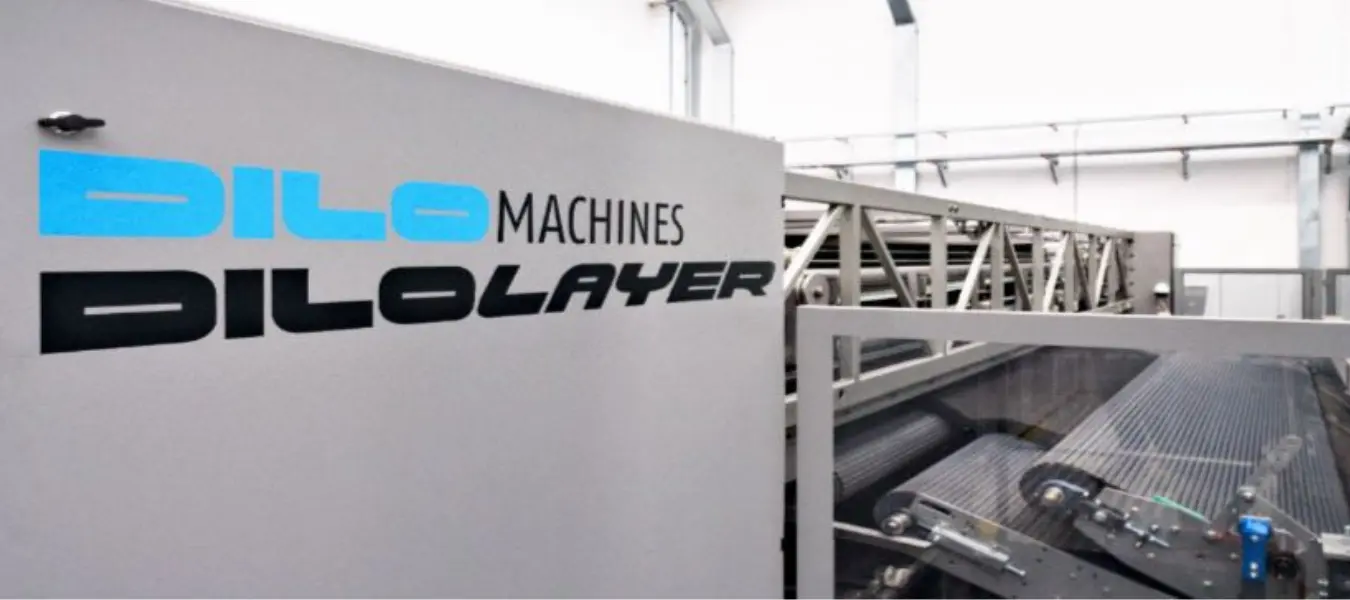
One of the companies participating in the exhibition is DiloGroup, a well-known technology provider specializing in production lines for web forming and needling processes for staple fiber materials.
At INDEX, the company plans to showcase its latest developments in advanced needling technology, with a particular emphasis on sustainability and efficiency in nonwoven manufacturing.
MicroPunch Technology Enables Advanced Nonwoven Applications
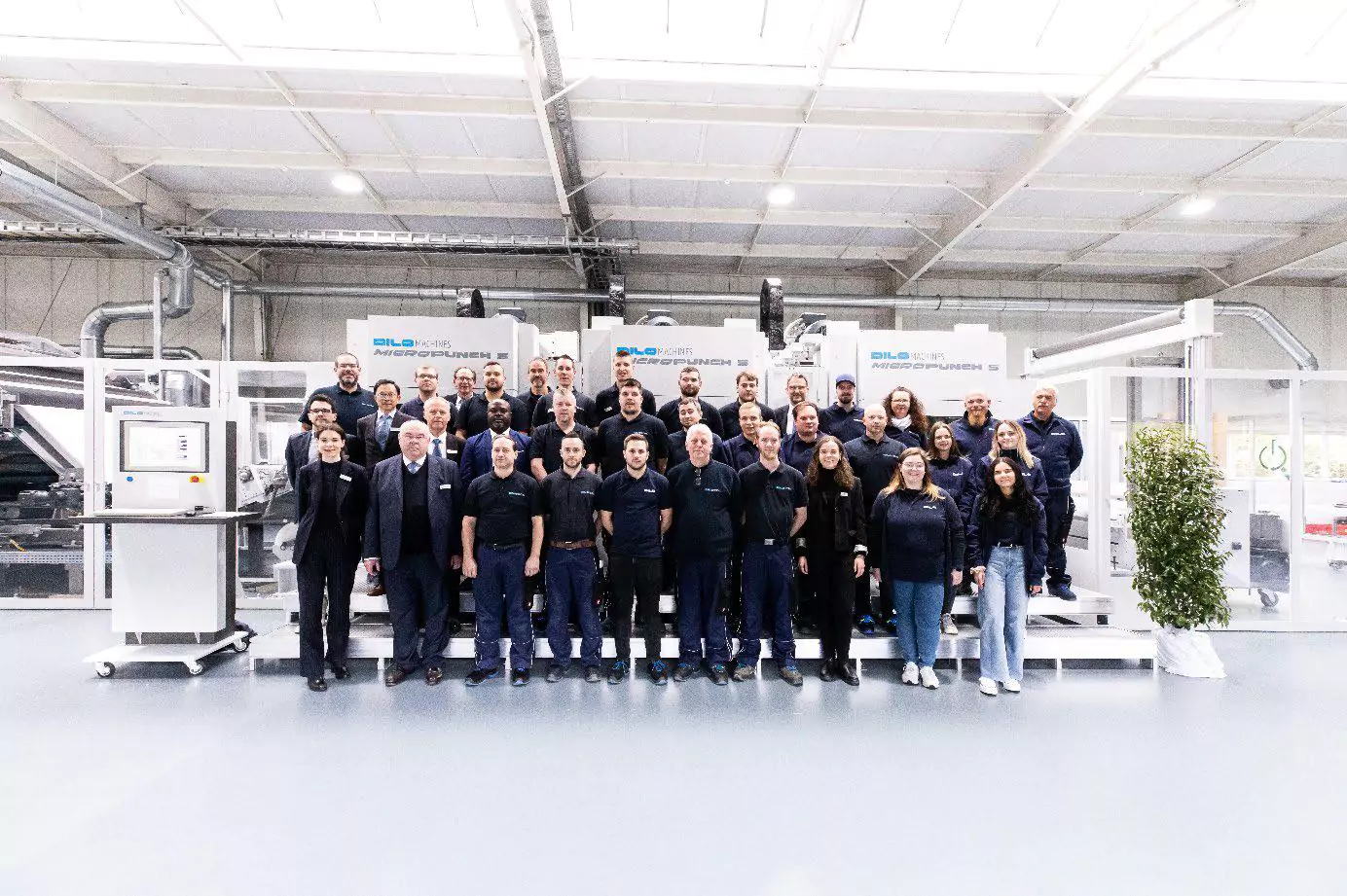
Following years of continuous research and development, DiloGroup has introduced MicroPunch, an intense needling technology that has now reached industrial-scale production capability.
This advanced technology significantly improves the mechanical properties of nonwoven materials. The resulting fabrics demonstrate excellent abrasion resistance, allowing them to be used in a wide range of applications including:
-
Apparel textiles
-
Artificial leather
-
Battery separators
-
Filter media
-
Medical and hygiene nonwovens
These improvements expand the possibilities for nonwoven fabrics in industries that require durable yet lightweight materials.
Sustainability and Energy Efficiency Become Key Industry Priorities
Sustainability has become a central focus for the nonwovens sector, particularly for disposable textile products such as hygiene materials and comfort tissues.
Traditionally, lightweight comfort tissues—typically weighing between 30 and 60 g/m²—have been produced using water-entangling technologies and fine fiber blends made from polyester and viscose. However, these disposable products have increasingly come under scrutiny due to concerns about environmental impact and recyclability.
As a result, the industry is actively exploring biodegradable or decomposable fibers that can reduce the environmental footprint of disposable textiles.
In addition to material innovation, manufacturers are also prioritizing low energy consumption and reduced carbon emissions when evaluating new web consolidation technologies.
New Needling Innovations Reduce Costs and Energy Consumption
Recent advancements in classical needling technology have demonstrated that lightweight nonwoven fabrics can now be produced more efficiently and at a lower cost per kilogram.
These improvements have been achieved through innovations such as higher needle density in needle boards and specially designed fine-barb needles. In addition, new modular designs allow faster needle replacement and easier machine maintenance, improving production efficiency.
Industry Outlook Ahead of ITMA
While INDEX focuses on nonwoven production technologies, the second major exhibition—ITMA in Milan—will present the latest innovations in textile machinery across the broader textile industry.
Companies such as DiloGroup plan to use INDEX as an opportunity to highlight their newest technologies while also preparing the industry for further technological advancements that will be showcased at ITMA.
Together, these two exhibitions are expected to underline the industry’s ongoing transformation toward more sustainable, efficient, and technologically advanced textile production systems.
As environmental regulations tighten and market expectations evolve, innovations in nonwoven manufacturing technologies are likely to play an increasingly important role in shaping the future of the textile industry.











