






Ethiopia has one of Africa’s most distinctive leather industries, combining a strong raw-material base with tanneries, footwear factories and a growing community of design-led leather goods manufacturers.
According to the Ethiopian Leather Industries Association (ELIAET), the country’s leather sector includes 28 tanneries, 37 footwear manufacturers and 129 leather goods manufacturers. This structure gives Ethiopia opportunities to create more value locally by transforming hides and skins into finished leather, footwear, bags and other consumer products.
Ethiopia is also known for Ethiopian Highland Leather, particularly sheepskin from the country’s highland regions. The material is recognised for being light, thin and soft while maintaining strength and durability, making it suitable for premium gloves, garments, bags and other leather applications.
Alongside the wider development of Ethiopia’s textile and manufacturing sector, the leather industry represents another important opportunity for the country to move further into value-added manufacturing and international sourcing.
Top 10 Leather Companies in Ethiopia
1. Ethio-Leather Industry PLC (ELICO)

Ethio-Leather Industry PLC (ELICO) is one of Ethiopia’s most significant integrated leather manufacturers, with operations spanning tanning, finished leather, footwear, garments and leather goods. Its manufacturing network includes Awash Tannery, Abyssinia Tannery and factories producing footwear and leather products.
ELICO works with cowhide, sheepskin and goatskin for both domestic and international markets. The company also reports implementing integrated quality, environmental and occupational health and safety management systems.
By connecting raw-material processing with downstream manufacturing, ELICO represents Ethiopia’s ambition to capture more value from leather through finished products rather than relying primarily on exports of lower-value materials.
Website: elicoleather.com
2. New Wing Addis Shoe Factory PLC

New Wing Addis Shoe Factory PLC is an export-oriented footwear manufacturer with both shoe production and tannery operations in Ethiopia. The company says its Ethiopian manufacturing base was established in 2011 and has developed the flexibility to produce women’s flats, moccasins, boots and men’s footwear.
New Wing reports production of more than 90,000 pairs of shoes per month and serves retailers, distributors and brands across international markets. Its tannery is also certified under the Ethiopian Highland Leather initiative.
The combination of leather processing and finished footwear production demonstrates Ethiopia’s potential to build integrated manufacturing operations capable of serving global footwear sourcing networks.
Website: newwing.com.hk
3. Davimpex Enterprise Bahir Dar Tannery PLC

Davimpex Enterprise Bahir Dar Tannery PLC is an established Ethiopian tannery involved in processing hides and skins into finished and semi-finished leather. The company states that it was established in Bahir Dar in 1998 and currently produces leather for applications including dressing and sports gloves, garments and shoe uppers.
Its facility handles sheep, goat and cow materials and supplies finished leather to international markets. Bahir Dar Tannery is also one of the companies certified to produce Ethiopian Highland Leather.
Its position in the upstream sector is important because reliable tanning capacity forms the foundation for Ethiopia’s footwear, leather-goods and export-oriented manufacturing industries.
Website: bahirdartannery.com
4. Samra Leather
Samra Leather represents the premium and design-focused segment of Ethiopia’s leather industry. Based in Ethiopia, the company describes itself as a contemporary leather house combining local leather heritage with modern product design and craftsmanship.
Its collections include handbags, small leather goods, belts and accessories, with particular attention to material quality, natural grain and long product life. Samra works with carefully selected Ethiopian leather and positions craftsmanship, precision and durability at the centre of its brand identity.
The company illustrates how Ethiopian manufacturers can move beyond commodity leather exports by building consumer-facing brands around local materials, skilled production and distinctive product design.
Website: samraleathers.com
5. Ker Ezhi Ethiopia Leather Manufacturing

Ker Ezhi Ethiopia Leather Manufacturing has been producing handcrafted leather products since 2017. Based in Addis Ababa, the company offers a range that includes handbags, briefcases, backpacks, travel bags, jackets and other leather accessories.
Ker Ezhi states that its hides are sourced locally from Ethiopia and that its production combines local materials with artisan craftsmanship. The company also places emphasis on ethical sourcing, environmental responsibility and detailed hand finishing.
With workshops and retail locations in Ethiopia, Ker Ezhi demonstrates how locally sourced leather can be transformed into branded lifestyle products aimed at domestic customers, visitors and wider international markets.
Website: kerezhiethiopia.com
6. Amour Leather
Amour Leather is an Ethiopian leather-goods manufacturer founded by entrepreneur Zemen Tefera. The company has produced leather fashion and lifestyle products including bags, belts and other accessories while developing a business model centred on local manufacturing and skilled employment.
Amour has also worked to develop international market opportunities for Ethiopian-made leather goods. A business development case study documented the company’s efforts to enter North American markets while strengthening its branding, production and export capabilities.
Its development provides an example of how women-led Ethiopian manufacturers can combine entrepreneurship, craftsmanship and international business development to increase the value generated from the country’s leather resources.
7. Meron Addis Ababa
Meron Addis Ababa, developed from Leather Exotica, is an Ethiopian leather brand specialising in handmade designer bags and accessories. The company says its products are manufactured in Addis Ababa using locally and sustainably sourced leather.
Design, handcrafted detailing and local production are central to the brand’s identity. Meron reports that women make up around 80% of its workforce and highlights employment and training opportunities for women and young people.
In addition to its own collections, the company provides private-label manufacturing services for international designers and brands, giving it a role in both consumer-facing fashion and business-to-business leather goods manufacturing.
Website: meronaddisababa.com
8. Root in Style

Root in Style is an Ethiopian leather-goods brand combining contemporary product design with influences from Ethiopian and wider African culture. The company produces leather products for women and men, including handbags, backpacks, clutches and accessories.
According to the brand, its products are handcrafted by women artisans and its leather is sourced from local tanneries as a by-product of the food industry.
Several designs incorporate Ethiopian textile and decorative elements alongside genuine leather. Root in Style’s emphasis on craftsmanship, cultural identity, women’s employment and long-lasting products provides another example of how smaller Ethiopian manufacturers can differentiate themselves through design and brand storytelling.
Website: rootinstyle.com
9. Shirshir Ethiopia
Shirshir Ethiopia is listed by the Ethiopian Leather Industries Association among the country’s leather-product manufacturers. Based in Addis Ababa, the company forms part of Ethiopia’s extensive small and medium-sized leather-goods manufacturing segment.
Companies in this part of the value chain play an important role in converting locally processed leather into higher-value consumer products and expanding opportunities for design, craftsmanship and employment.
Shirshir’s inclusion in Ethiopia’s organised leather industry reflects the growing importance of smaller manufacturers alongside major tanneries and footwear factories. This segment is particularly relevant to Ethiopia’s efforts to create stronger local brands and increase domestic value addition.
10. Msgana Shoe

Msgana Shoe is an Addis Ababa footwear manufacturer specialising in handmade leather shoes for women and men. The company describes its approach as combining traditional Ethiopian craftsmanship with contemporary footwear design, with an emphasis on durability, comfort and locally produced value-added products.
Current company information dates the business to 2014 and highlights a goal of increasing international recognition for Ethiopian leather footwear while creating jobs and developing local skills.
Msgana has also promoted the use of recycled materials in parts of its footwear production. Its development reflects the potential for smaller Ethiopian shoe producers to combine leather craftsmanship, sustainability and distinctive design.
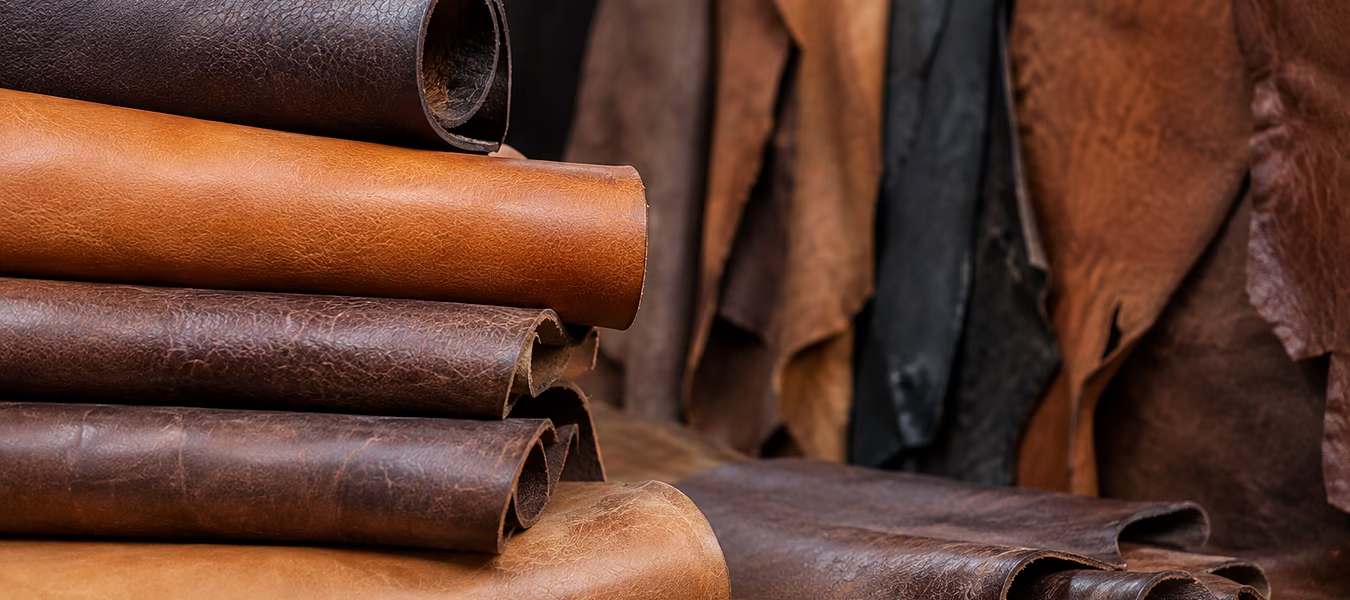
Ethiopia’s Leather Industry Moves Toward Higher-Value Manufacturing
The ten companies illustrate the diversity of leather companies in Ethiopia. Large integrated manufacturers connect tanning with footwear and leather-goods production, while smaller brands demonstrate the potential of design, craftsmanship and direct-to-consumer products.
For Ethiopia, the long-term opportunity lies not only in supplying hides and finished leather but also in expanding domestic production of footwear, handbags, garments and other higher-value leather products. Developing stronger links between tanneries, designers, manufacturers and exporters can help more of the value chain remain within the country.
Quality standards and market access will also be important. African countries are working toward greater harmonisation of textile and leather standards, which could make it easier for manufacturers to access regional markets under the African Continental Free Trade Area.
Ethiopia is already considered one of the continent’s notable manufacturing markets, and its leather sector can complement the wider growth of emerging textile and apparel markets in Africa. Continued investment in quality, sustainability, product development and branding could strengthen the international position of Made in Ethiopia leather products.











