




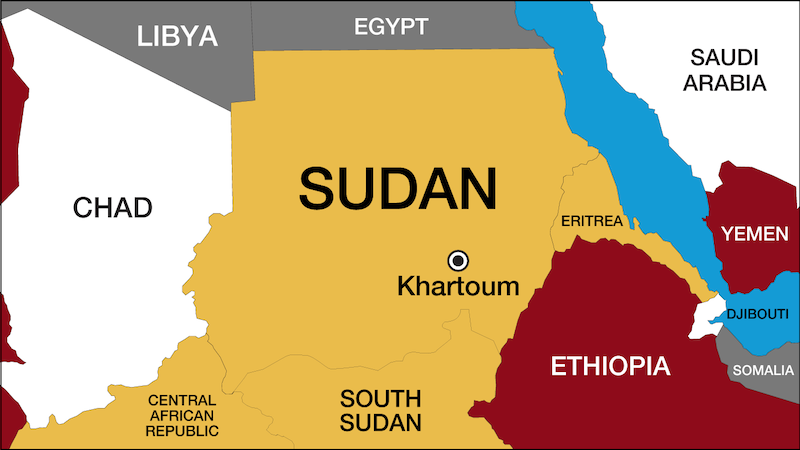
Sudan’s textile and apparel industry has long been rooted in the country’s strong agricultural base, especially its historic cotton production. Located in Northeast Africa with Khartoum as its capital, Sudan developed one of the region’s earliest modern textile sectors, supported by local cotton cultivation, irrigation from the River Nile, and an industrial structure built around spinning, weaving, and fabric manufacturing. Over time, this industry became one of Sudan’s most important manufacturing pillars, with the potential to serve both domestic demand and regional export markets.
Despite this legacy, Sudan’s textile sector today stands at a difficult crossroads. Years of underinvestment, outdated technology, raw material shortages, and increasing dependence on imported fabrics and garments have weakened a once-promising industry. Yet the fundamentals that once made Sudan a strong textile base—land, cotton, labor, and strategic market potential—still exist. For investors and industry stakeholders, Sudan remains a market with untapped long-term promise, provided that structural bottlenecks are addressed.
A Textile Industry Built on Cotton
The development of Sudan’s textile industry is closely tied to cotton. For decades, cotton was one of the country’s most important agricultural products, supported by a favorable climate and irrigation from the Nile. Historically, Sudanese cotton was exported to international textile centers, while domestic industrialization gradually expanded through the establishment of spinning mills and weaving factories across different parts of the country. The industry relied heavily on locally grown cotton and evolved into one of Sudan’s deepest-rooted manufacturing sectors.
Read more: The Hidden Potential of Libya’s Textile Sector
The first modern textile factory in Sudan dates back to 1945, and larger-scale industrial development accelerated after independence. Private and state-backed investments helped build a network of textile plants, particularly in cotton-producing regions such as Gezira. At one stage, Sudan’s textile manufacturing base included government-owned spinning mills, weaving factories, and smaller private plants with significant production capacity, although many of these facilities later began operating far below their design potential.
Industrial Importance and Structural Weaknesses
Sudan’s broader industrial sector has traditionally depended on agriculture for raw materials, including textiles, leather, edible oils, and sugar. Within this landscape, textiles held special strategic importance because of their labor-intensive nature and their strong connection to local agriculture. The textile and apparel sector also offered opportunities for regional development, employment creation, and import substitution.
However, the sector has faced severe setbacks over the years. According to the existing industry overview published on Kohan Textile Journal, the decline in cotton production, frequent electricity shortages, cheap imported textiles, and limited modernization have all contributed to the weakening of the sector. Many factories have either shut down or operated at only a fraction of capacity, while thousands of workers have been affected by the decline.
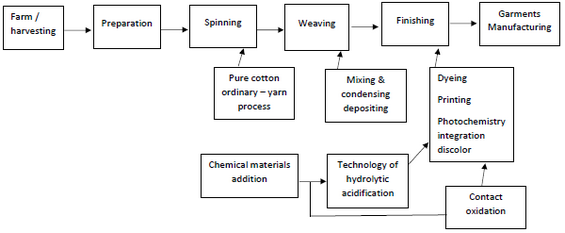
One of the most serious weaknesses lies in spinning. Sudanese mills use ring and rotor spinning systems, but much of the machinery is outdated, resulting in low- to medium-quality yarn and insufficient output for downstream industries. This creates a bottleneck across the value chain, since weaving, knitting, and finishing all depend on reliable yarn quality and supply.
Why Spinning and Yarn Preparation Remain Critical
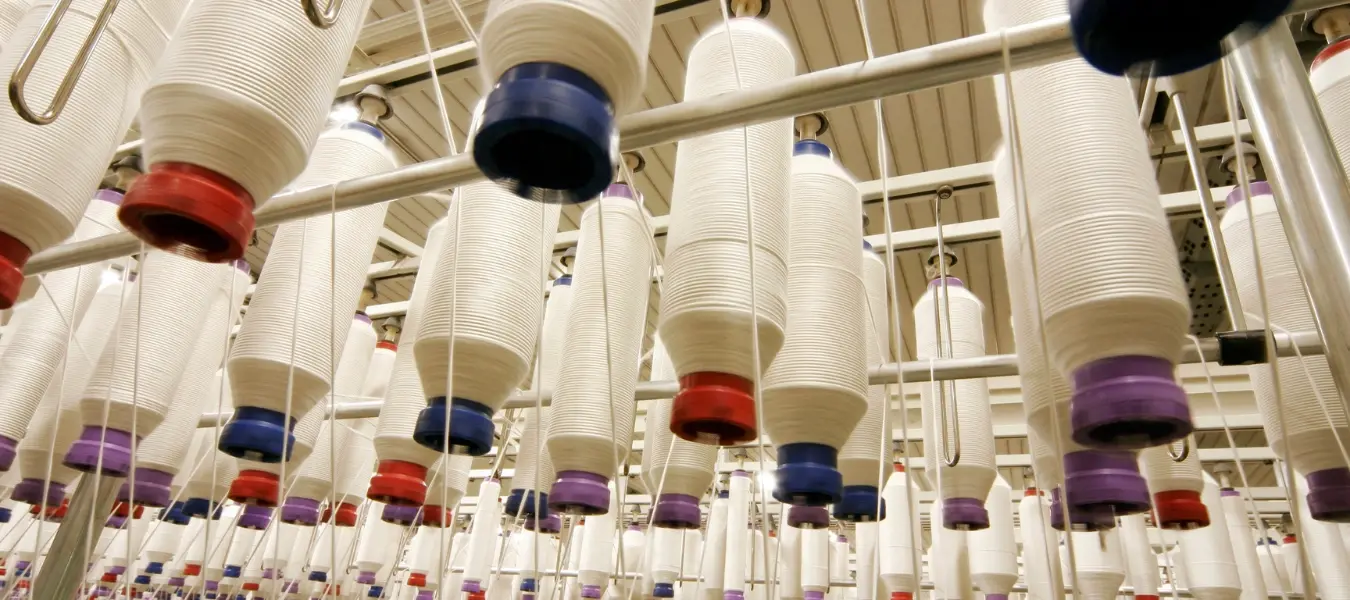
The spinning and yarn preparation stages are central to the future of Sudan’s textile sector. Existing mills often struggle with old machinery, weak quality control, and limited technological capability. As a result, yarn produced locally is often not sufficient in either quantity or quality to support modern fabric production. This directly impacts weaving efficiency, knitting development, and finishing quality.
Yarn preparation is another challenge area. Old equipment and obsolete technology can produce faulty yarns that are not suitable for later textile processes. Even where efficient looms are available, poor yarn quality prevents mills from achieving higher-value fabric production. For Sudan to rebuild competitiveness, modernization in spinning and yarn preparation is not optional—it is essential.
Weaving, Knitting, and Finishing Show Mixed Potential
Sudan’s weaving segment presents a more encouraging picture in some areas. The country has had access to air-jet and rapier looms capable of producing higher-quality fabrics, but these machines require better yarn inputs than the sector can consistently provide. In other words, weaving capacity exists, but upstream weakness limits its full use.
The knitting industry, meanwhile, has shown signs of growth thanks to the versatility of knitted products and the introduction of newer technologies in some small factories. Yet the sector still suffers from the same structural limitations: lack of suitable yarn counts and properties, inadequate dimensional stability machinery, and insufficient support from downstream garment manufacturing.
Finishing remains another mixed area. Existing machines can still operate reasonably well, but the sector suffers from limited access to quality dyestuffs, pigments, and chemical auxiliaries, alongside shortages of skilled workers capable of handling modern, design-oriented, and computerized systems. These issues reduce the ability of Sudanese manufacturers to move toward higher-value dyed, printed, and finished textiles.
Rising Dependence on Imports
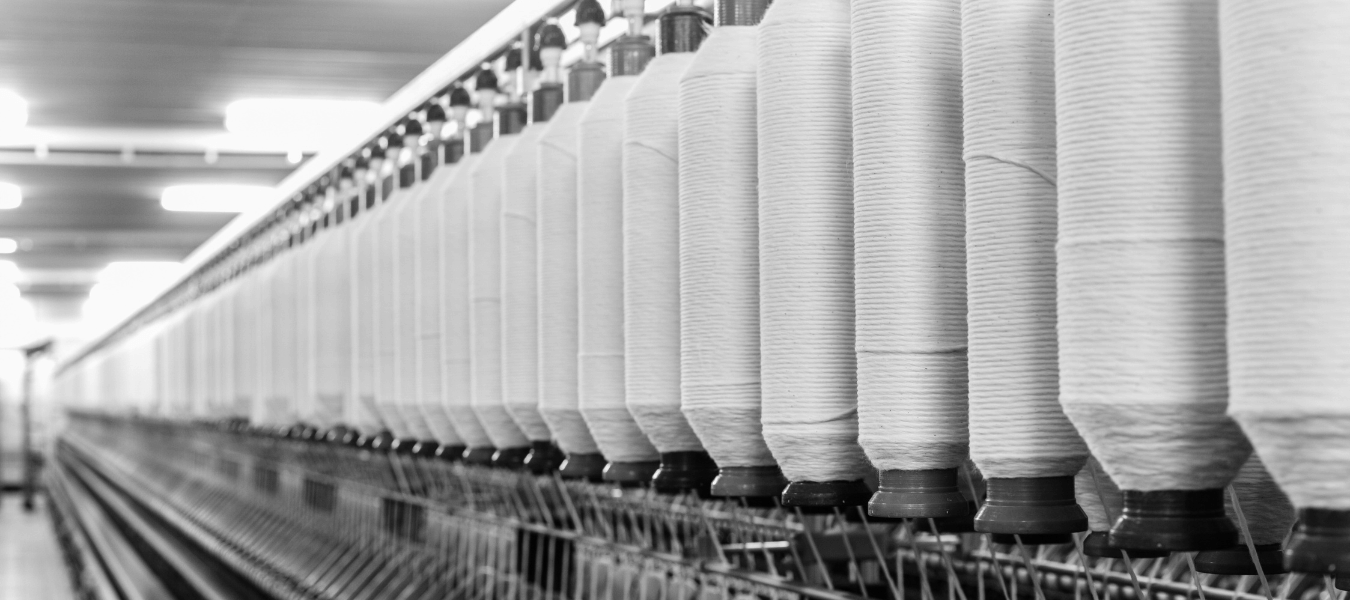
A major concern for Sudan’s textile and apparel industry is its growing reliance on imported fabrics and garments. As local mills have struggled to remain competitive, imported products have increasingly filled the gap in the domestic market. This dependence is linked to raw material shortages, factory closures, and the inability of the local supply chain to keep pace with changing market needs.
The shift is especially significant because demand patterns are also evolving. While Sudan has historically been associated with cotton-based production, the broader African market is increasingly demanding blended and synthetic textiles. Without investment in technology, product development, and market-oriented production, Sudan risks falling further behind more agile textile-producing countries in the region.
Opportunities for Textile Investment in Sudan
Even with these challenges, Sudan should not be overlooked. The country still has many of the ingredients needed to rebuild a competitive textile and apparel industry. Its large landmass, agricultural base, cotton heritage, and access to regional markets give it a foundation that many emerging textile economies would value.
The strongest opportunity lies in modernization. New investment in spinning technology, yarn preparation, textile finishing, and knitting infrastructure could significantly improve the sector’s output and quality. Sudan also has room to expand garment manufacturing, especially if local or regional investors help bridge the gap between fabric production and finished apparel.
There is also a social and economic case for reinvestment. Textile manufacturing is labor-intensive, and a revival of the sector could generate employment, reduce import dependence, and support broader industrial development. Earlier revival efforts around textile factories in Wad Medani and other industrial areas reflected this logic, even if results remained limited.
A Market That Needs Vision, Not Just Capital
Sudan’s textile sector does not simply need funding; it needs a long-term industrial vision. Investments must focus on the weak links of the value chain, especially spinning, yarn preparation, and finishing. At the same time, companies and policymakers must respond to changing regional preferences, including the growing importance of blended fabrics, synthetics, and faster-turnaround apparel production.
A new strategy for Sudan should combine technology upgrades, workforce development, quality improvement, and stronger private-sector participation. Since much of the sector is already driven by private players, the most realistic path forward may lie in targeted industrial partnerships, joint ventures, and phased modernization rather than reliance on large-scale state-led revival alone.
Sudan’s Textile Future Still Matters
Sudan remains one of Africa’s textile markets with real but underutilized potential. Its textile and apparel industry has deep historical roots, meaningful raw material advantages, and a domestic and regional market that could support renewed industrial growth. Yet the sector cannot move forward without addressing its long-standing weaknesses in machinery, skills, supply chain integration, and product competitiveness.
For investors willing to take a long-term view, Sudan offers more than a story of decline. It offers the possibility of industrial renewal. With the right mix of modernization, strategy, and market alignment, Sudan could once again become an important textile player in Africa—this time with a more diversified, resilient, and future-oriented industry.











