Libya imports more than $700 million worth of textiles, garments, and home textile products annually, yet its domestic textile manufacturing sector continues operating far below its historical capacity. Despite years of political instability and industrial decline following the 2011 conflict, Libya is once again attracting attention from regional textile investors seeking opportunities in North Africa’s rebuilding industrial economy.
With its strategic Mediterranean location, proximity to European markets, growing consumer demand, and increasing investment interest from countries such as Egypt, Türkiye, and China, Libya’s textile industry may be entering the early stages of long-term recovery. While major challenges remain—including outdated infrastructure, labor shortages, and fragmented industrial policy—the country’s heavy dependence on imports is also creating significant opportunities for future textile manufacturing and investment development.
From garment production and institutional textiles to carpets, home furnishings, and industrial fabrics, Libya’s textile sector holds untapped potential that could eventually reshape its role within regional supply chains across North Africa and the Mediterranean.
| Indicator | Updated Market Insight |
|---|---|
| Total Textile & Apparel Imports | Estimated above $700 Million annually |
| Main Textile Suppliers | China, Türkiye, Egypt, Tunisia |
| Import Dependency | More than 90% of textile demand supplied by imports |
| Fastest Growing Segments | Home textiles, garments, uniforms, hospitality textiles |
| Main Textile Cities | Tripoli, Misrata, Benghazi, Bani Walid |
| Local Manufacturing Capacity | Operating far below historical production levels |
| Key Investment Opportunities | Garment production, technical textiles, hotel textiles, carpets |
| Strategic Advantage | Mediterranean access and proximity to European markets |
Libya’s Textile Industry After the 2011 Crisis
The 2011 revolution and ensuing conflict had a devastating impact on Libya’s manufacturing base. Textile factories were looted, damaged, or abandoned as security deteriorated. The Bani Walid facility, once a regional leader in wool processing, suffered extensive infrastructure losses. Many machines were destroyed or rendered inoperable, while others could not be repaired due to import restrictions and the departure of foreign technical staff.
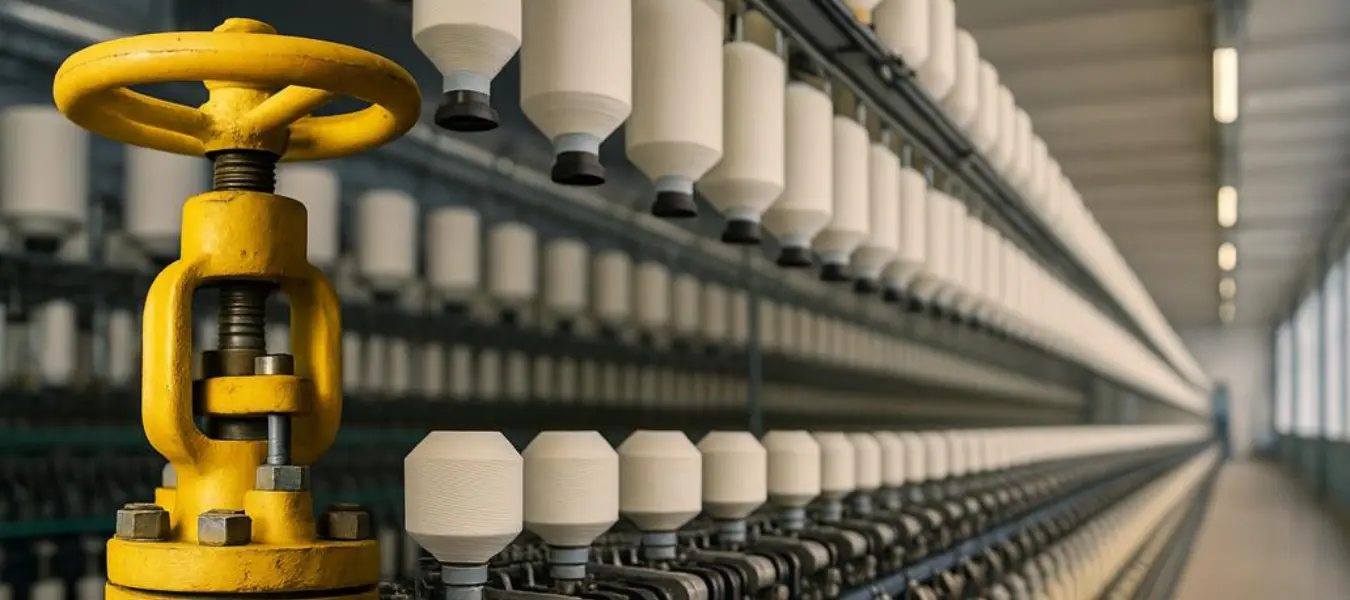
Today, only fragments of the sector remain. Bani Walid has resumed limited production, operating at about 30% of its former capacity under the Economic and Social Development Fund (ESDF). Daily output has dropped from over 1,500 meters of carpet to fewer than 700 meters. Electricity shortages, lack of trained operators, and dependence on imported dyes and raw materials continue to hamper operations.
Small tailoring shops and traditional artisans have filled part of the void in cities like Tripoli, Misrata, and Benghazi. These producers cater primarily to the local market with school uniforms, wedding garments, and handmade rugs. However, the absence of a nationwide production strategy or industrial zones has left the sector fragmented and inefficient.
Libya’s Dependence on Imports
With domestic capacity in decline, Libya has become one of the most import-dependent textile markets in the Middle East and North Africa. According to UN Comtrade data:
- In 2019, Libya imported over $353 million in knitted apparel (HS Code 61)
- Over $274 million was spent on woven garments (HS Code 62)
- An additional $116 million went toward home textiles and fabrics, including bedding, curtains, and upholstery.
More than 90% of Libya’s textile consumption is now met by imports. China is the leading supplier, offering low-cost synthetic and cotton garments. Turkey follows closely, exporting mid-range fashion and workwear, supported by strong logistics and cultural ties. Regional exporters like Egypt and Tunisia benefit from duty-free access under the Greater Arab Free Trade Area (GAFTA). The UAE and Italy also contribute, particularly in luxury goods and household linens.
In contrast, Libya’s exports are negligible—less than $10 million per year—mostly limited to wool carpets and scoured wool sold to niche markets in Europe and the Gulf.

Infrastructure and Skilled Labor Challenges in Libya’s Textile Sector
Rehabilitating Libya’s textile infrastructure remains a major challenge. Most factory machinery dates back to the 1980s or earlier. Modern looms, finishing systems, dye houses, and cutting/sewing lines are rare. Power outages and water shortages further affect production continuity. Even where machinery is still usable, spare parts are often unavailable due to currency restrictions or logistics barriers.
The labor force also faces serious gaps. Thousands of skilled technicians, pattern makers, and machine operators left the industry during the conflict years. Libya lacks vocational schools focused on textiles or fashion design, leaving younger generations untrained. As a result, even small tailoring businesses struggle to find capable workers. To revitalize production, Libya will need comprehensive training initiatives and incentives to re-attract skilled labor.
Investment Opportunities in Libya’s Textile and Apparel Industry
Despite ongoing challenges, signs of renewal are emerging. In early 2025, a consortium of 25 Egyptian textile and furniture firms announced plans to invest in 1.2 million square meters of industrial land in Misrata and Benghazi. Their aim: establish a network of manufacturing units producing garments, upholstery, and uniforms for both domestic and export markets. These zones are supported by Libya’s Ministry of Economy and are expected to receive favorable terms such as rent-free land and tax exemptions.
China has also expressed interest. In 2024, Libyan delegations visited Chinese textile hubs in Zhejiang and Guangdong to explore opportunities for joint ventures, machinery procurement, and training partnerships. Discussions are underway to develop textile clusters in Tripoli and Sabha, where Libya’s access to raw wool and cotton imports from Chad and Sudan can be leveraged.
Areas with the greatest investment potential include:
- School uniforms and institutional workwear
- Home textiles (curtains, bedding, furniture covers)
- Wool-based carpets and blankets
- Garment finishing and packaging for imported clothing
Trade Policy and Government Incentives
Libya is not a member of the World Trade Organization (WTO), giving it significant leeway in designing trade policy. It does, however, participate in GAFTA and the African Continental Free Trade Area (AfCFTA), offering duty-free access to regional markets. The country’s transitional government has signaled willingness to simplify import procedures and provide long-term leases to foreign investors.
The Ministry of Industry and ESDF are also taking steps to promote industrial recovery:
- Rehabilitating the Bani Walid complex with new looms and digital design software
- Identifying unused state-owned land for private textile investors
- Launching a national industrial map to align training programs with market needs
While implementation remains uneven due to Libya’s fragmented governance, these policies indicate a shift toward a more open and supportive investment environment.
Why Libya Still Matters for the Regional Textile Industry
Despite years of instability, Libya still holds several strategic advantages that continue attracting attention from regional textile suppliers and manufacturing investors.
One of Libya’s most important strengths is its geographic position. Located on the Mediterranean coast and positioned between North Africa, Southern Europe, and the Middle East, Libya offers potential logistical advantages for future textile trade and manufacturing activities. Its proximity to European markets could eventually support faster sourcing and shorter delivery times compared to some Asian production regions.
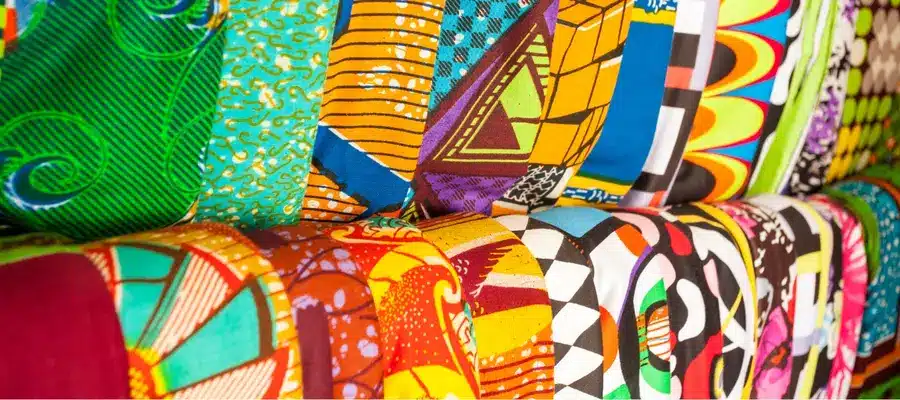
The country also remains heavily dependent on imported textile and apparel products, creating significant long-term opportunities for domestic manufacturing development. Large volumes of garments, fabrics, home textiles, carpets, hospitality textiles, uniforms, and institutional textile products continue entering Libya annually from countries such as Türkiye, China, Egypt, and Tunisia.
Beyond consumer apparel, Libya’s reconstruction phase may gradually increase demand for sectors connected to technical and interior textiles, including hotel furnishing fabrics, healthcare textiles, workplace uniforms, construction-related textile materials, and residential home furnishings.
Several regional textile players are already closely monitoring Libya’s economic recovery due to the potential for future industrial partnerships and export-driven manufacturing opportunities. Turkish and Egyptian textile companies, in particular, continue maintaining strong commercial relationships with the Libyan market.
While large-scale textile manufacturing recovery may still require years of infrastructure rebuilding and political stabilization, Libya’s long-term market fundamentals continue making the country strategically relevant within North Africa’s broader textile landscape.
The Future of Textile Manufacturing in Libya
Libya’s textile and apparel sector is far from achieving its potential—but its foundations remain. The country has a strong cultural tradition of textile craftsmanship, an underutilized industrial base, and a high level of consumer demand. With more than $700 million in annual textile imports, even modest domestic production could yield major benefits.
To capitalize on this potential, Libya will need:
- A stable political climate that reassures investors
- Investment in training centers and technical institutes
- Modernization of machinery and utilities
- Integration into regional supply chains and preferential trade zones
If these conditions are met, Libya could reposition itself not only as a consumer market, but as a light manufacturing hub serving North Africa and the Mediterranean. The sector could generate thousands of jobs, reduce import dependency, and contribute to long-term economic diversification.
As post-conflict recovery continues, textiles could become one of Libya’s most promising industrial comeback stories—a blend of tradition, necessity, and opportunity.