Two years ago, the clothing brand DIOP was created when Mapate Diop, a New York City native, was wearing a shirt his mother had made to a barbecue — a tunic-style shirt with a traditional African pattern. Many people told him it would make a great product to turn into a brand.
“My mother had bought the fabric during one of her research trips to West Africa and found a tailor to make a custom shirt,” Diop says.
But because the process was costly and time-consuming, Diop and a business partner, Evan Fried, who both then lived in Baltimore, looked into manufacturing their own. They spent about five months buying fabrics in New York and Washington, D.C., making many prototypes based on the original shirt made by the tailor.
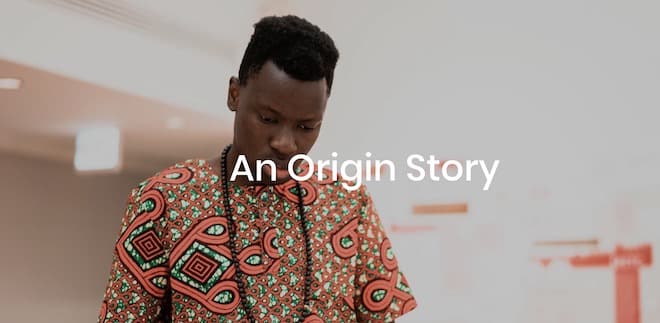
After Diop distributed prototypes to his friends, they recommended that he launch a crowdfunding campaign to allow people to purchase the shirts and fund production. From there, Diop made seven more prototypes, raised $20,000 from crowdfunding, moved to Detroit to join the 2018 Detroit Venture for America accelerators and the brand was born. Since then, DIOP has been featured in Fast Company, Here Magazine, and BuzzFeed.
Mapate Diop third season of diaspora inspired streetwear
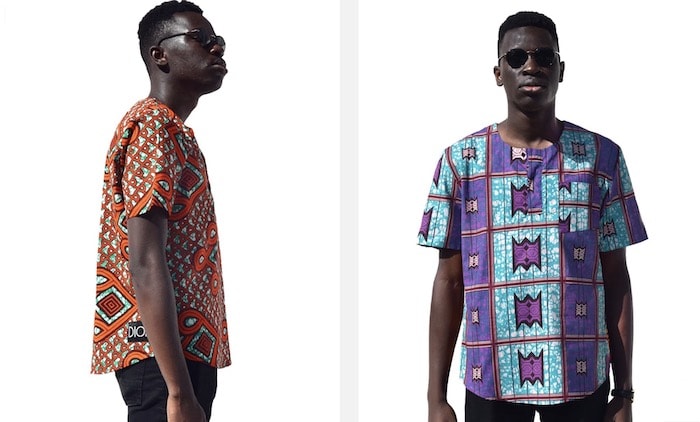
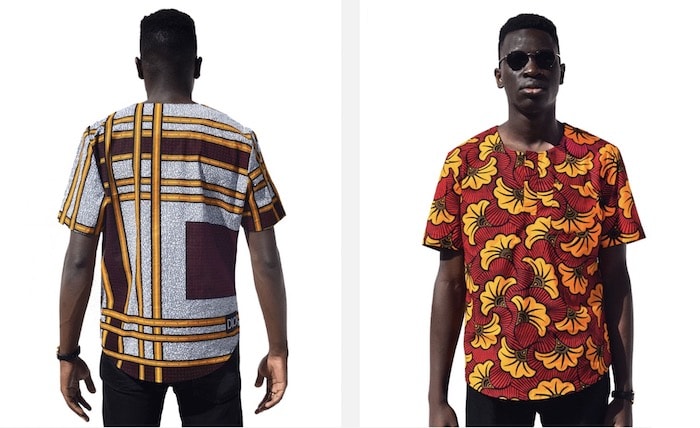
In October, DIOP released its third season of “diaspora-inspired streetwear.” The collection included The Amar, Idris, Qualia, Iggy, Tetro, and Sasan Tops. Each shirt has a different pattern; flowers, shapes, lines, dots, and more. The shirts are bright, durable, and versatile, made in the style of dashikis.
DIOP’s products, which also include bandanas, are made from Ankara — a bold, colourful, patterned, and thick cotton fabric widely used in Africa to make clothes and accessories.
African Clothing
Diop is a first-generation American whose family hails from Nigeria. Part of his brand, he says, is about preserving a strong cultural connection to Africa. But he doesn’t make clothing just for African people. He says he wants his clothing to be inclusive; when people wear DIOP, he says, he wants them to celebrate the uniqueness of his culture.
Regarding the sensitive subject of cultural appropriation, Diop believes it’s acceptable for people of different backgrounds to wear his clothing, as long as they understand and appreciate its history.
“It’s not about where they come from, but what they understand,” Diop says.
“Though many cultures have a tradition of dyeing and printing fabric, wax print originates from Indonesia and was brought to Africa, where it was popularized by the Dutch,” he says. “What we make wouldn’t exist without the exchange and interest of people from different backgrounds.”
By Marisa Kalil-Barrino