Africa stands at a pivotal moment in the global textile and apparel industry. Despite accounting for only 1% of global textile exports and 2% of clothing exports, the continent has the potential to reshape fashion supply chains. With the industry projected to grow from $2.7 trillion to $3.7 trillion between 2024 and 2032, Africa’s abundant raw materials, youthful workforce, expanding consumer market, and creative talent position it for a significant transformation.
Africa contributes approximately 6% of global cotton production, primarily from Benin, Burkina Faso, Chad, and Mali. However, most of this cotton is exported unprocessed, and the continent lacks significant textile production capacity, controlling less than 2% of global spinning, weaving, and knitting output. To change this, investment in energy, water, logistics, and business-friendly policies is essential to localizing textile production and adding value within Africa.
Pathways to Growth in the African Textile Industry
Leveraging Labor-Intensive Production
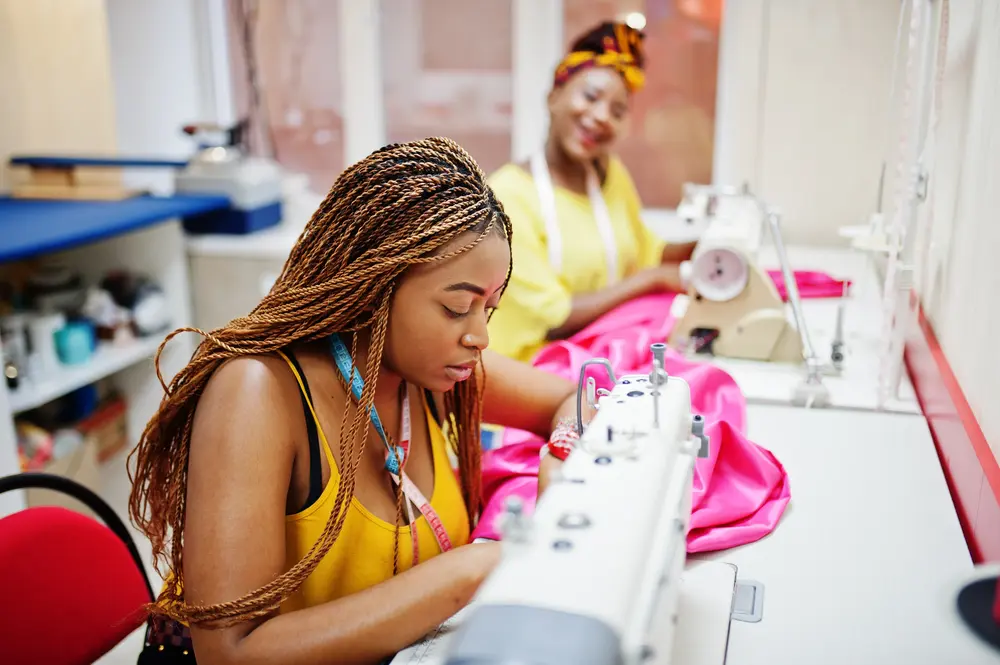
Learning from Mauritius, Vietnam, South Korea, and China, some African nations can use their youthful, cost-effective workforce to grow labor-intensive garment manufacturing. While many manufacturing sectors are rapidly automating, apparel production remains highly labor-dependent, making Africa a viable hub for garment assembly and export.
Developing Regional Supply Chains
Africa’s apparel market is expected to grow from $73.59 billion in 2025 to $88.68 billion in 2029. Strengthening regional textile production can reduce import dependency, enhance local value addition, and create a self-sufficient industry driven by African demand.
Harnessing Creative Talent and Fashion Hubs
African designers and brands are gaining global recognition, with traditional fabrics such as Kente, Adire, and Bokolonfini being reimagined for contemporary fashion. Events like Lagos, Nairobi, Dakar, and Cape Town Fashion Weeks are becoming international showcases, attracting buyers and investors interested in Africa’s unique textile heritage and cultural storytelling.
Global Megatrends Shaping Africa’s Fashion Future
As Africa moves to redefine its role in global fashion, three megatrends offer strategic opportunities to leapfrog into the future:
1. Sustainability and Ethical Sourcing
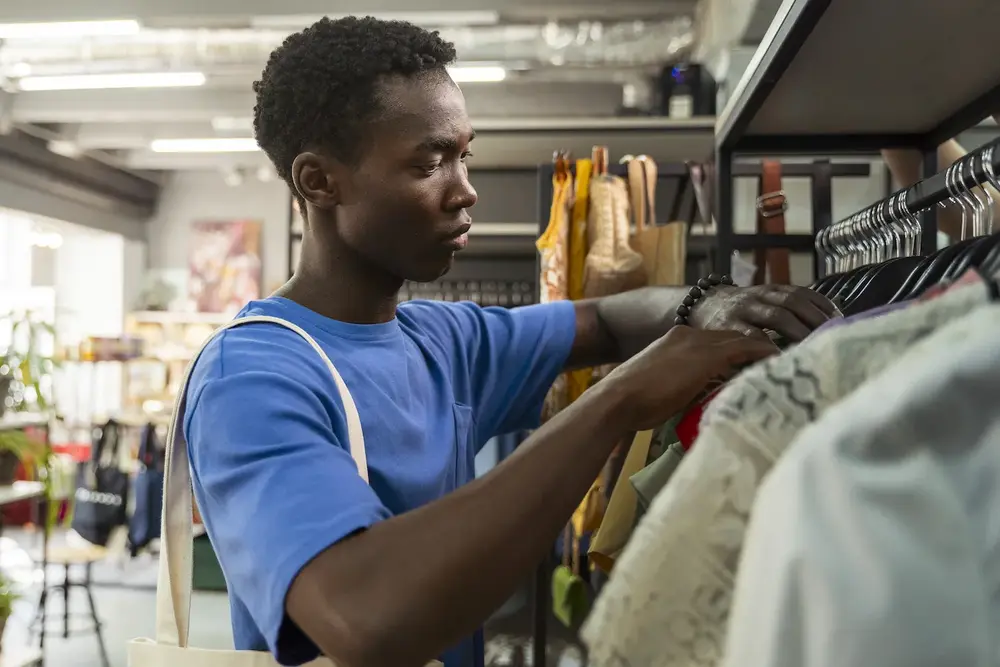
With fashion brands prioritizing sustainable textiles, organic cotton, and circular economy models, African governments can capitalize on this shift by incentivizing eco-friendly fiber production, water-efficient textile mills, and clean energy-powered factories. Countries like Kenya and Ghana are already exploring fabric recycling and second-hand textile upcycling, turning Africa’s extensive thrift markets into billion-dollar remanufacturing industries.
2. Supply Chain Rebalancing and Regionalization
The trend toward nearshoring and regional supply chains offers Africa a competitive advantage. As brands seek production closer to consumer markets, Africa could benefit similarly to Morocco, which has grown its textile industry through proximity to European buyers. With only 8% of Africa’s textile and apparel imports sourced within the continent, trade facilitation under the African Continental Free Trade Area (AfCFTA) could boost intra-African textile production and reduce dependency on imports.
3. Industry 4.0 and Digital Fashion
Technology is revolutionizing fashion, with advancements in materials science, artificial intelligence, digital printing, and 3D design accelerating production efficiency. Online apparel sales are projected to reach 30% of total sales by 2025, offering African designers a direct-to-consumer global market. E-commerce platforms, virtual reality shopping, and blockchain-backed fashion authentication can position African brands as key players in digital fashion.
Additionally, AI-driven fabric customization and metaverse fashion experiences can unlock new revenue streams. Instead of relying solely on physical garments, African designers could monetize digital wearables for gaming, virtual events, and digital avatars, expanding their reach beyond traditional retail.
Strategic Investments for a Competitive Future
For Africa to fully capitalize on these megatrends, strategic policy alignment and investment are crucial. Governments and industry leaders must focus on:
- Strengthening textile production infrastructure
- Enhancing sustainable manufacturing practices
- Facilitating regional trade under AfCFTA
- Investing in digital fashion technologies and skills training
The future of Africa’s textile and apparel industry depends on proactive investments in sustainability, innovation, and supply chain resilience. Those that embrace these shifts will position themselves as the next powerhouses in global fashion.