As Plastic Free July kicks off, consumers are increasingly worried about the impacts of synthetic materials. This concern is timely, given Amazon’s recent announcement that it has replaced 95 percent of plastic pillows used for packaging in the U.S., with plans to phase them out entirely by the end of the year. This shift comes as more consumers express significant concerns about microplastics and their effects on human health.
Microplastic pollution is notably problematic in the fashion industry, where it largely originates from petroleum-based fabrics like polyester, nylon, and acrylic. Dr. Jesse Daystar, Vice President & Chief Sustainability Officer at Cotton Incorporated, emphasizes that designing with natural fibers, such as cotton, is crucial for reducing plastic leakage in the apparel sector.
Amazon’s announcement aligns with the goals of Plastic Free July, an initiative by the Plastic Free Foundation aimed at eliminating plastic waste. In the fashion industry, reducing the use of synthetic textiles is essential, as these materials shed microplastic particles during wear and laundering, contributing to environmental pollution.
In a recent webinar by the American Apparel & Footwear Association, Dr. Partik Ichhaporia, Vice President of Technical Services, North America, for Eurofins MTS, warned that microplastic pollution from textiles could grow significantly by 2030 without substantial industry changes. He noted that the global apparel consumption might increase by 63 percent, with a rising proportion of polyester, exacerbating the microplastic issue.
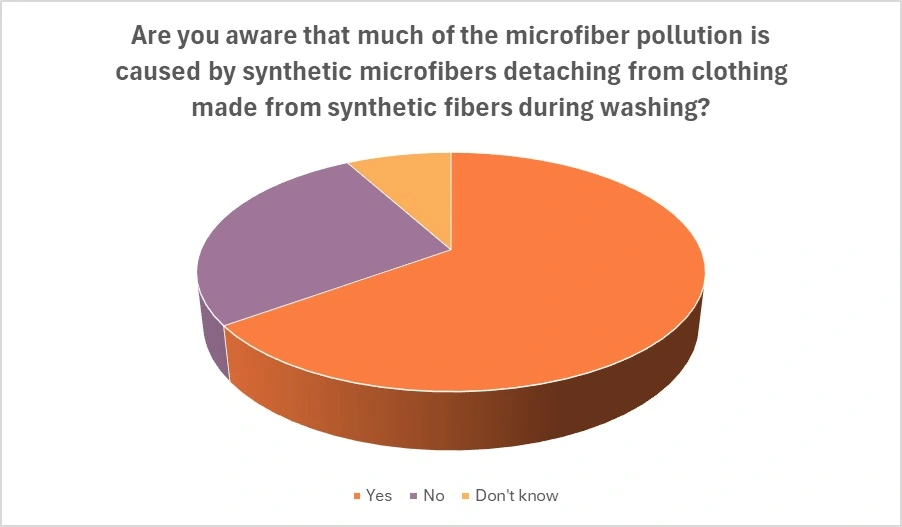
Consumer awareness of this problem is high, with nearly half of all consumers (45 percent) aware of microplastic pollution from clothing, according to the Cotton Incorporated Lifestyle Monitor™ Survey. Of those aware, 65 percent recognize that synthetic fibers are a primary source of this pollution, especially during washing. Alarmingly, a single load of laundry can release 700,000 microplastic fibers into waterways, food supplies, and drinking water.
This heightened awareness influences consumer behavior. According to Cotton Incorporated’s 2022 Laundering & Microplastics Survey, 70 percent of consumers consider their awareness of microplastics when purchasing clothing. Additionally, 61 percent of parents prefer their children to wear clothes that do not contribute to microplastic pollution. Furthermore, 73 percent of consumers say their awareness impacts their laundry practices, with 51 percent opting for natural fibers to mitigate microplastic pollution.
Sustainability is also a significant factor for consumers, with 75 percent prioritizing biodegradable apparel materials, according to Cotton Incorporated’s 2022 Apparel Sustainability and Back to Office Study. Research from North Carolina State University highlights the stark difference between natural and synthetic fibers. For instance, after 32 days in wastewater, 94 percent of polyester remained intact compared to just 8 percent of cotton. In fresh water, polyester remained entirely, while only 21 percent of cotton persisted.
The environmental impact of synthetic clothing is substantial, generating 7.4 million tons of plastic pollution annually, equivalent to the weight of 820 Eiffel Towers. Synthetic garments cause ten times more plastic leakage than cotton clothing, according to Cotton Incorporated’s recent research.
Most apparel (69 percent) is made from synthetic fibers derived from crude oil, as reported by EarthDay.org. Consumers are buying 60 percent more garments than 15 years ago but keeping them for only half as long before discarding them. This trend underscores the need for durable, repairable, and biodegradable clothing, with 77 percent of consumers interested in durable apparel, 68 percent in repairable clothing, and 58 percent in compostable garments, according to Cotton Incorporated’s 2023 Circularity Survey.
The Plastic Free Foundation advocates for choosing timeless pieces made from natural fibers to support sustainable fashion and reduce microplastics. Lindsay Miles, an educator and author, views Plastic Free July as an opportunity to reassess individual plastic use and join a broader movement aimed at changing behavior and policy.
As consumers become more informed about the implications of synthetic materials, the push for sustainable, natural alternatives is likely to gain momentum, influencing both individual choices and industry practices.