




Interview with Mr Seth Hargraves / Marketing at James Heal USA
First of all please let us know about James Heal’s history and it’s success story in the testing equipment sector.
James Heal was began distribution in 1872, originally providing testing equipment for yarn testing, such as count and strength testers. Since the middle of the 20th century, we have moved more towards materials testing, and away from simply yarn testing equipment. We now have a fully developed suite of instruments, including our latest ‘Performance Range’, and an in-house Test Materials Centre, where we produce many of our own testing materials and consumables.
What is James Heal’s range of products? And specification?
We have many instruments in our catalogue now, including instruments in our laundering range, our pilling and abrasion testers, our water-based testers such as TruRain and WickView.
We have expanded our range of classic laboratory testing instruments to include a ‘Performance Range’ of instruments which all feature our TestWise OS, with most being market-leading products in their category.
How many percent of your products export to international markets? Where are your main export destinations and countries?
We have a large portion of export in Eastern and Central ASIA, with many customers residing in places such as Bangladesh, Uzbekistan and China as there are in comparison more testing laboratories in these territories.
This is certainly not limited to, we have a lot of business in central Europe too as well as Africa, and we have a PPT Group base in the USA as well, which covers all the Americas.
Why testing equipment are a must for textile factories? And how it can affect on final product quality?
This is of critical importance. Some factories in the UK especially are still fully vertical (meaning they have the full end-to-end production process in the house) so with each stage from spinning the yarn to weaving and then finishing it, each provides unique stresses to the product. Many have their own in-house testing laboratories, with equipment designed to test samples of the products in the many stages through production.
There are plenty of non-vertical manufacturers also that have their own in-house testing laboratories as the quality of the product can be ‘make or break’ for a business in todays’ competitive climate.
Having quality control and a testing system here where the product is tested regularly to ensure that quality is retained, is often at the core of a manufacturer’s production plan.
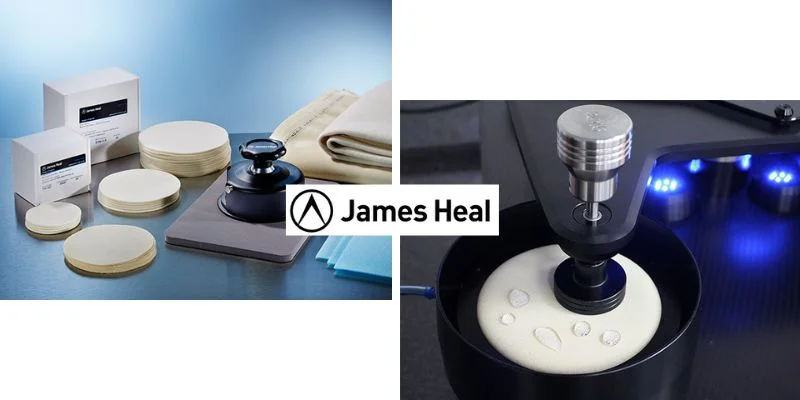
Why customers should prefer James Heal testing systems?
James Heal offers a unique user experience unparalleled with other testing products. Our products offer ergonomic design, easy-to-use TestWise OS offering built-in standards and user-friendly functionality, and instruments to test a wide variety of materials.
Not only do we provide market-leading products, but we also produce and supply the highest quality Test Materials and consumables, as well as world-class instrument Service & Calibration.
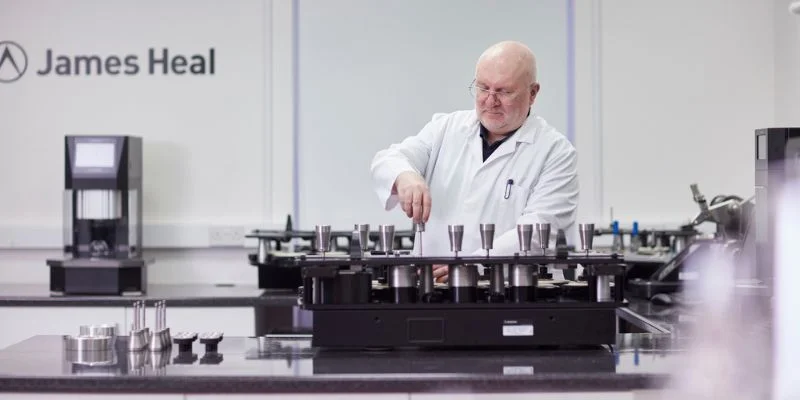
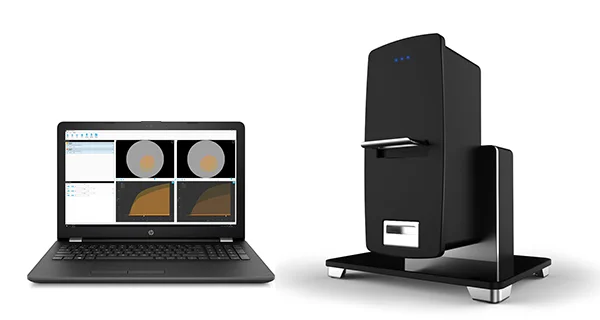
Let us know about your latest products, research and development, new investment and …
Our most recent development is a Grading Software that is designed for our WickView Moisture Management Tester. This Grading Software has revolutionised how we view and grade the wicking of fabrics, offering a dual-camera face and back view of test specimens, and giving what we call the ‘true’ wicking spread, for both vertical and horizontal tests.
We are also investing in several new projects at the moment, to expand our current ranges and develop some of our existing instruments to provide even more features and functions for additional testing.
How do you evaluate textile and apparel industry in MEA region and Central Asia include Turkey?
We do have a lot of trade in the EMEA, Central Asia and Turkey, some of our largest in fact, and we have been working alongside some of our partner agents in these territories for decades, with great success in these areas.
We have recently celebrated out 150th anniversary of James Heal, which has been a very proud milestone for us, and we have also in November this year celebrated 80 years of the iconic Martindale pilling and abrasion tester. You can actually read more about the Martindale and its history on a recent article we published, including a timeline of the Martindale through the years.
James Heal & Martindale: key milestones
1950s
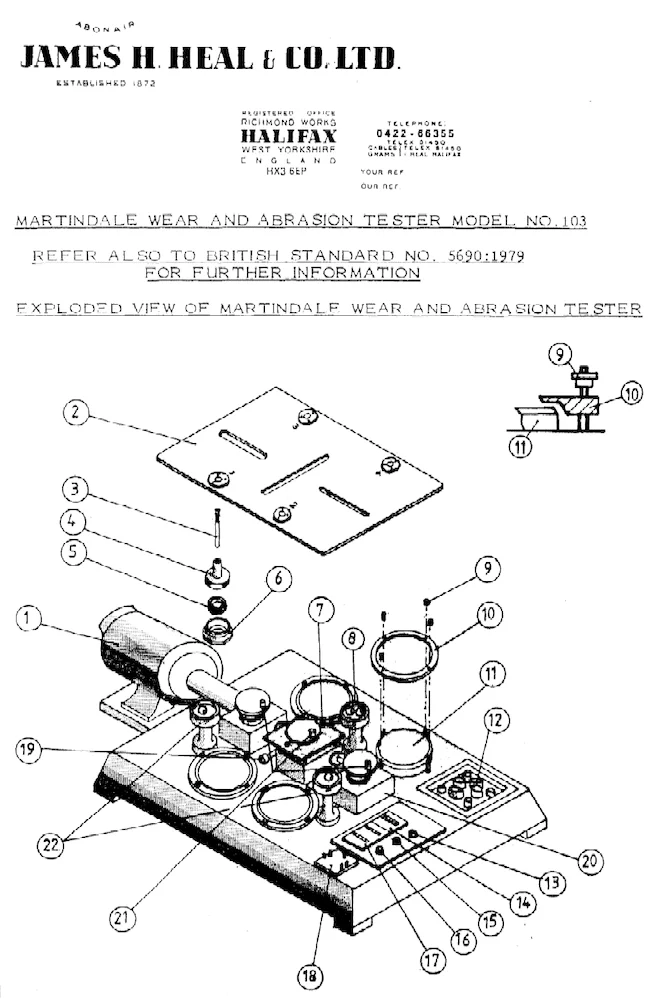
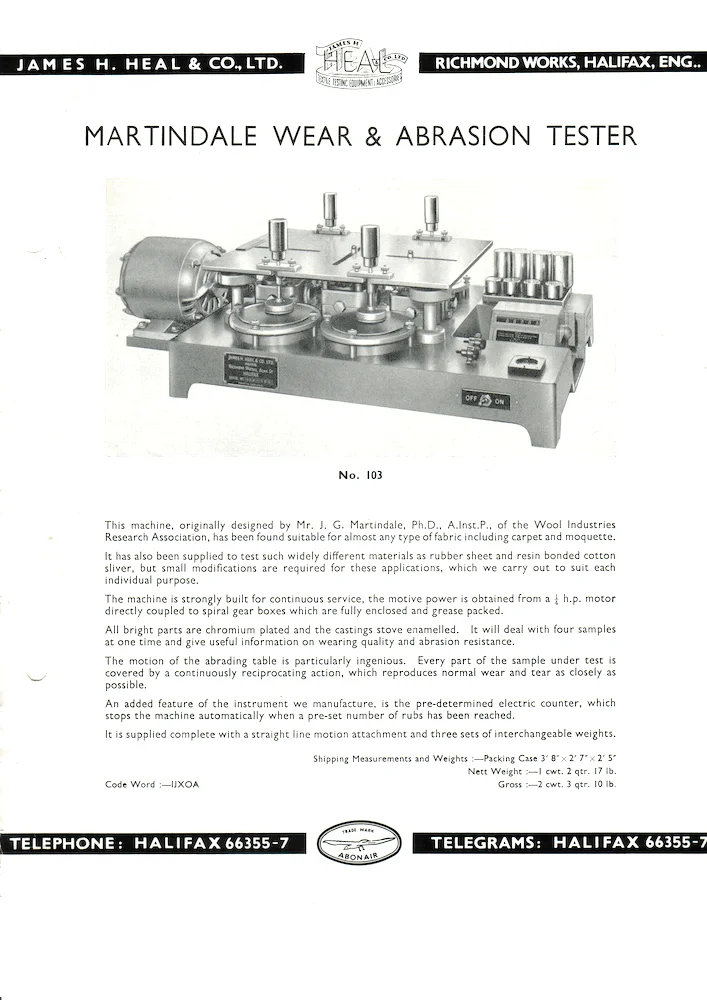
James Heal began to develop its own Martindale, it is believed with the collaboration of Dr Martindale. This version had an added feature of a pre-determined electric counter, which stopped the machine automatically when a pre-set number of rubs was reached.
1960s and 1970s
The Martindale 103 model continues to evolve with regular improvements in design and functionality over two decades.
1980s
At the 1987 ITMA Exhibition in Paris, James Heal was one of only a small number of companies exhibiting the Martindale.
1990s
The early 1990s saw a redesign of the instrument introducing the innovative 6-station Martindale 403, launched in 1992 with quick locking clamp rings and a hinged top plate.
Launched at the 1999 ITMA exhibition in Paris, the 406 set a new benchmark in design and functionality with a clear LCD screen and auto restart function.
2003
Our next model, Martindale 864, offered more choices with 4, 6 or 8 stations and an ergonomic top plate design for easy access and optional variable speeds.
2010
This was the year that James Heal took its brand to a whole new level. Working with the Design Council, James Heal rebranded as a company whilst significantly changing the look of the instrument range to sleek black and stainless steel, with distinctive blue LED lighting. Inspired by over 60 years of accumulated knowledge and expertise, the 900 Series was focused on our core values of innovation, quality and precision.
2014
The 1300 Series was launched in 2014 and introduced a hinged top plate to allow easy access to every station from the front to reduce the time to load and unload.
Martindale 1600 Series
By 2016 the 1600 Series was developed, this time introducing digital touch-screen technology. Integrated TestWise software provided ease of use and is available in multiple language options.
Learn about the features and benefits on our Martindale web page where you can also download the latest brochure giving details of the full range including 2-, 5- and 9-station models.
Some of the most common test types include:
- Textiles
- Coated upholstery
- Military apparel
- Carpets
- Edges, e.g. shirt cuffs
- Personal Protective Equipment (PPE)
- Leather
- Wood and laminates












Hello, we are a company specializing in textile testing instruments fro chiuvention company. We would like to place our link on your website or publish an article. Could you please provide us with a price quote?