Author: Sheikh Amin Patel, Factory Head / GM Operations (Weaving), 24+ Years Experience | 48 Picanol Sammum Airjet Looms | Walmart, IKEA, Target Supplier
Abstract
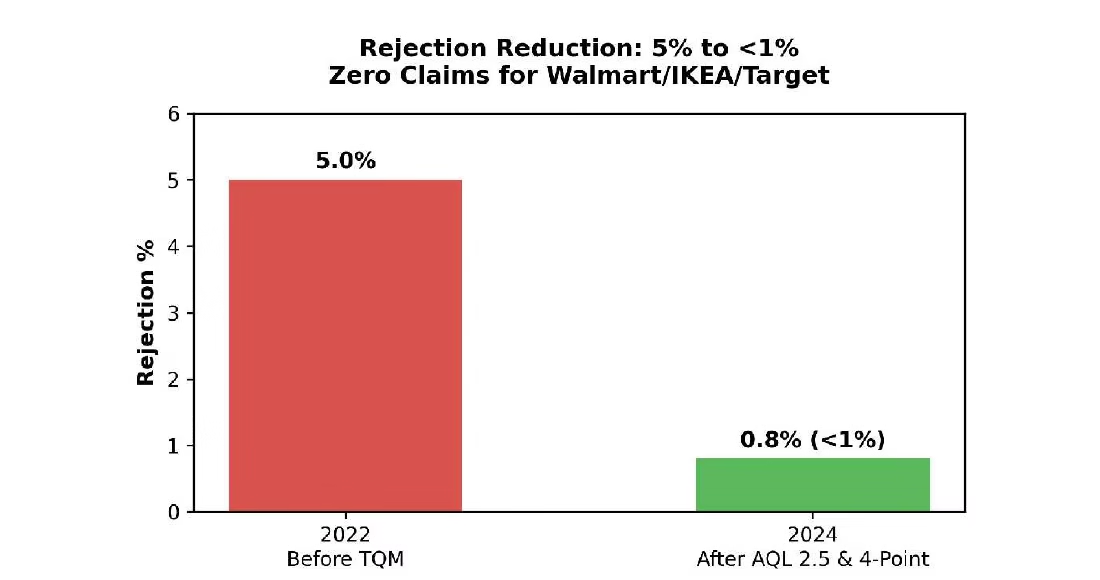
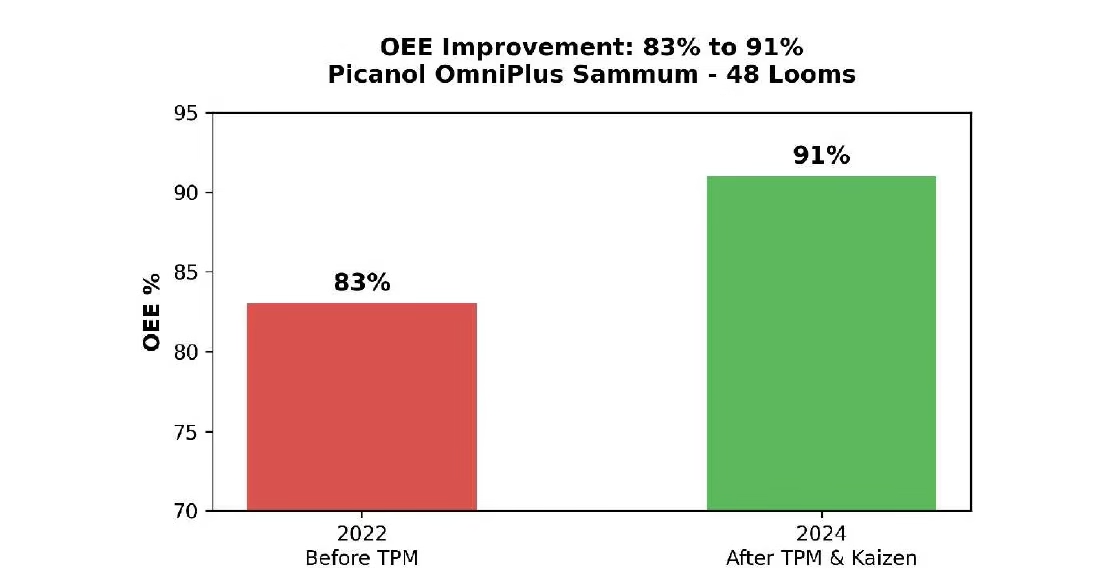
How a mid-size denim weaving unit in India improved Overall Equipment Effectiveness (OEE) from 83% to 91%, reduced rejection from 5% to <1%, and achieved 18 months zero major breakdowns using TPM, 5S, and 15-20 Kaizens per month — without major CAPEX.
1. Introduction
I currently head a denim weaving unit in Maharashtra, India, with 48 Picanol OmniPlus airjet looms and a team of operators, weavers and technicians. We are a B2B subcontractor for global brands, supplying 1/1, 2/1, 3/1, 4/1 and dobby denim to garment factories nominated by brands like Walmart, IKEA and Target. Like many Indian weaving mills, we faced constant pressure for 3-5% price reduction every season and frequent order changes (15-20%).
2. The Challenge in 2022
Our OEE was stuck at 83%, rejection at 5%, and we had monthly breakdowns in warping/sizing. Buyer audits (WRAP, BSCI, QMS) were increasing to 10-15 days per customer per year. Yarn availability of nominated suppliers and skilled weaver shortage during festival season were limiting our quick response capability.
3. What We Implemented
a) 5S — Daily, Not Monthly
We made 5S a daily audit, not a monthly activity. Sorting, Straightening, Shine, Standardize, Sustain — with a scoreboard on the shop floor. This was pushed by our customers, but we made it our own culture. Daily 10-minute audit by operators.
b) Kaizen — From Shop Floor
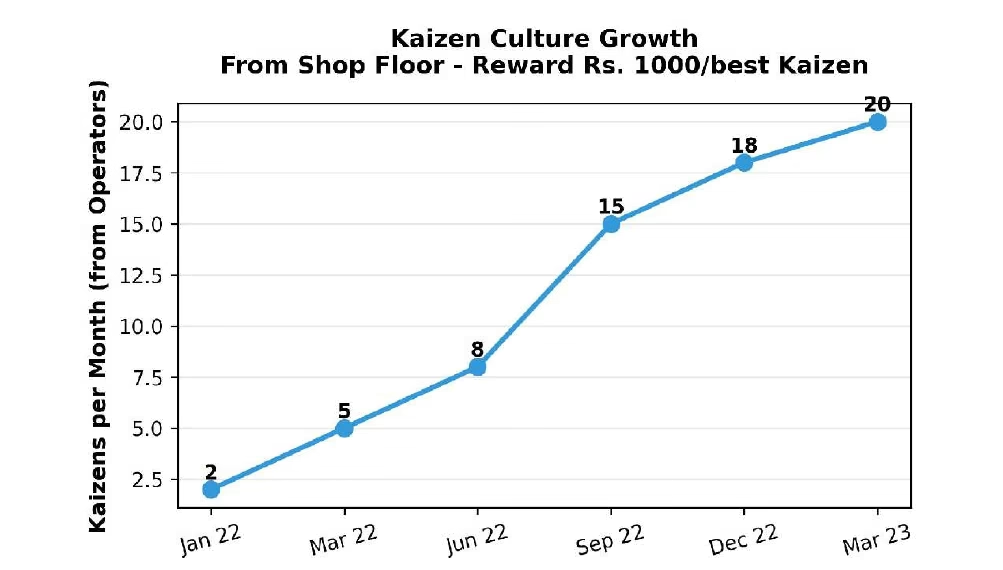
We started 15-20 Kaizens per month from operators, not managers. Small ideas like quick beam change system (reduced from 45 min to 30 min) and WhatsApp group for breakdown reporting. Best Kaizen of month rewarded with Rs. 1000.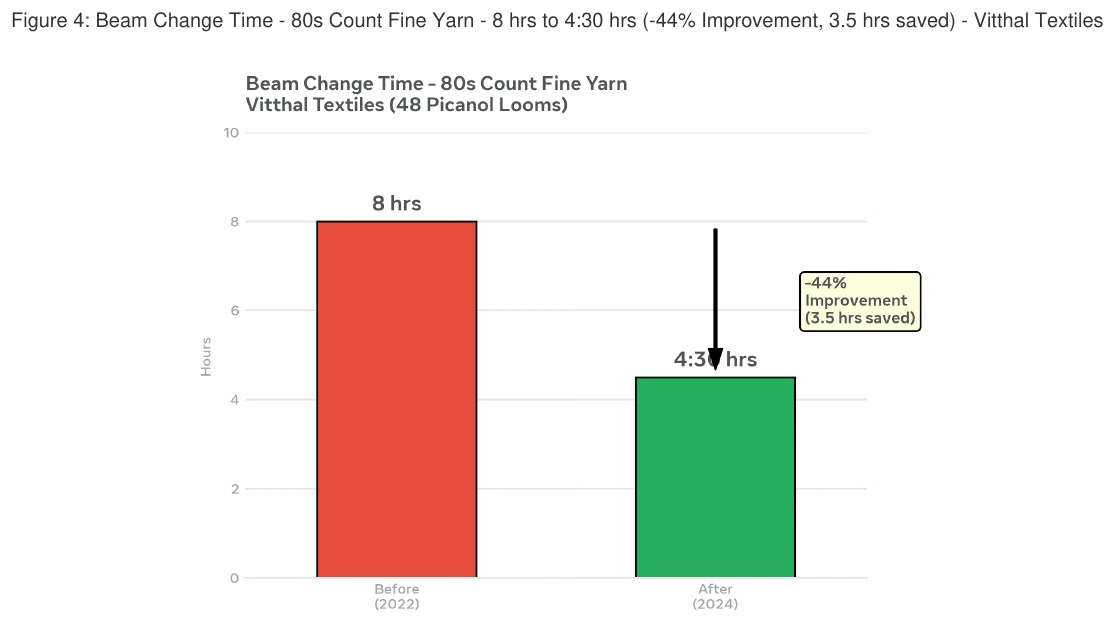
c) TPM — Total Productive Maintenance
This was our game changer. We implemented autonomous maintenance by operators. Loom data monitoring from Picanol + ERP for production tracking helped us move from reactive to preventive maintenance. Result: 18 months zero major breakdown in weaving.
d) TQM — Zero Claim Culture
We implemented AQL 2.5 and 4-Point System strictly for fabric inspection. Result: Zero export claims for last 2 years for Walmart/IKEA/Target customers.
4. Digital — Simple but Effective
No AI yet. We use Picanol loom monitoring system, ERP + Excel for planning, and WhatsApp for real-time breakdown alerts. Automation in sizing machine reduced size waste by 2%. This simple digital layer gave us data to take decisions in 24-48 hours instead of one week.
5. Results in 18 Months
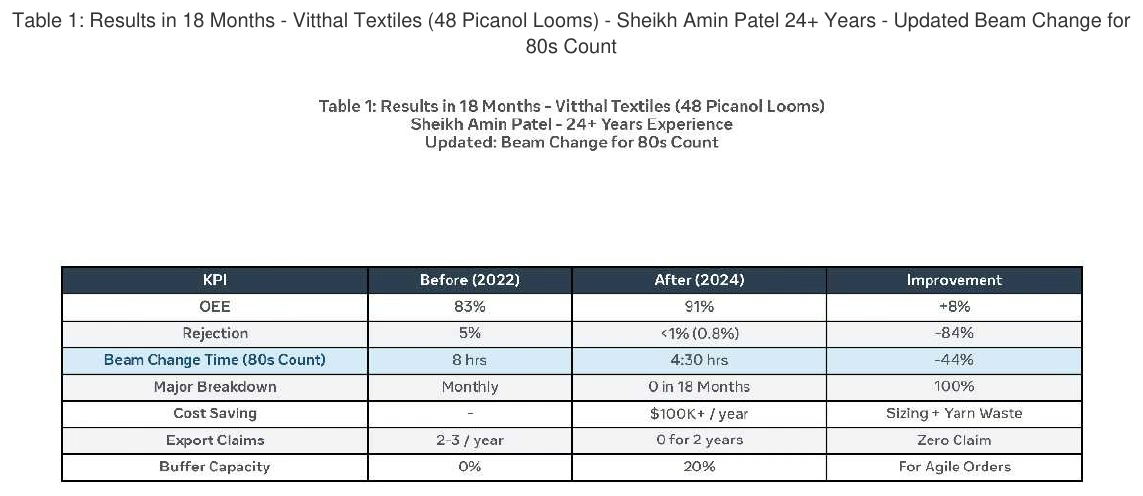
- OEE: 83% to 91%
- Rejection: 5% to <1%
- Cost Saving: $100K+ annually via sizing recipe control and yarn waste reduction
- 18 months zero major breakdown in weaving department
- Zero claims for US/EU brands for 2 years
- 20% buffer capacity created to handle agile order changes
6. What Failed — And What We Learned
We tried an auto-drawing machine without proper training of operators. Rejection shot up to 7%. We learned: Training is a must before new technology. Now we train yarn suppliers for better winding quality and keep 5-7 days safety stock of critical yarns nominated by buyers.
7. Balancing Lean + Agile
We keep core products lean (high OEE, low waste) and capacity agile for development. Best practice from Walmart line (selvedge control) was applied to IKEA and Target lines — reduced defects by 1%. We only commit 30% yarn advance on forecast, no bulk production before PO confirmation to avoid inventory risk.
8. Future Outlook
Indian weaving firms need to strengthen digital monitoring, sustainability (water/energy saving in sizing), fast sampling, and skilled manpower training. While some customers considered nearshoring to Turkey, Morocco, Egypt to reduce lead time to Europe, India remains competitive for denim due to its strong yarn base and skilled workforce. Government schemes like Samarth helped us train 40 workers in last year.
Read More: Picanol Bets on Technology as Textile Machinery Market Faces Structural Change
Conclusion
You don’t need expensive new looms to improve OEE. TPM, 5S, and daily Kaizens from your own operators can transform a weaving department from 83% to 91% OEE without major CAPEX.