




By: Behnam Ghasemi :: Kohan Textile Journal
As the name implies, workwear is designed and manufactured for employees, operators, and executives of businesses, organisations, offices, etc., particularly those working in operational roles.
Because work environments can expose clothing to tearing, burning, and other forms of damage, workwear is frequently made from materials with high resilience and strength.
The following are some of the most crucial factors that should be taken into account when designing and manufacturing workwear:
1- Upholding Safety and Health
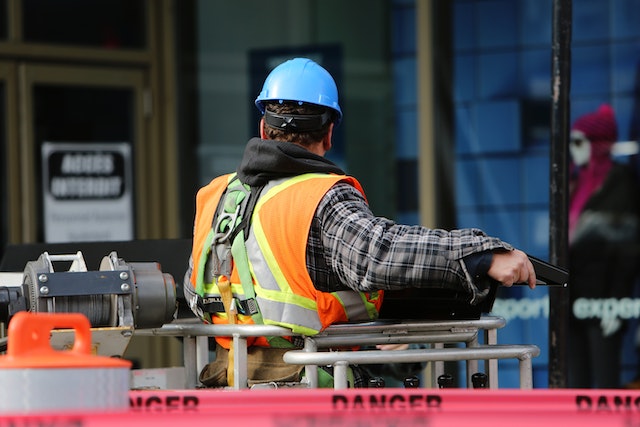
The most crucial and primary function of work attire is to maintain the health and safety of employees and company personnel. Depending on the nature of the work and the industry in which it is worn, workwear should include the essential features required to support this goal.
For instance, a worker exposed to fire should wear fire-resistant clothing, while employees in a hospital operating room or a food-processing facility should dress appropriately for their jobs.
Employees who work in areas where corrosive and dangerous substances are present should wear clothing that provides an appropriate barrier against liquids, gases, chemicals, etc.
Wearing chain watches or carrying loose keys while operating industrial equipment is not advisable, and workers using industrial machinery must wear uniform, undamaged clothing.
Hats, gloves, and safety shoes are also required for firefighters and other professionals who work around heat and fire. These items must also be made of fire-resistant materials. Heat-protective clothing is worn when working close to furnaces and thermal operations. It is made from special aluminium-coated fibres that reflect up to 90% of infrared rays.
Wearing workwear with pockets, protruding edges, or many folds is not recommended for people operating in environments with dust, flammable substances, or explosion risks, because hazardous substances may remain in clothing folds or pockets and ultimately result in poisoning.
Employees handling radioactive materials, chemicals, and acids must wear impermeable safety gloves, waterproof caps, and uniform clothing free of perforations.
It is advisable to wear short-sleeved clothing if the nature of the work requires employees to roll up their sleeves frequently.
Workers who operate in areas where explosions are likely should not wear clothing that can easily ignite or glasses and other accessories that may create additional ignition hazards.
In cold climates or during the winter, clothing should be lined with wool, while suitable protective clothing and headwear should be used in wet environments.
2- Lightness and Ease of Use
Work attire should make the wearer feel comfortable and at ease while performing its intended purpose. For instance, a worker who spends the entire day performing services and repairs on the streets should feel comfortable in looser, lighter clothing. The more comfortable a person feels in their work clothing and the better they feel overall, the more productive and efficient they can be.
3- Clothing Durability
Work attire needs to be robust and should not wear out too quickly. Using tear- and damage-resistant materials can extend its service life and reduce expenses.
4- Night Visibility and High-Visibility Clothing
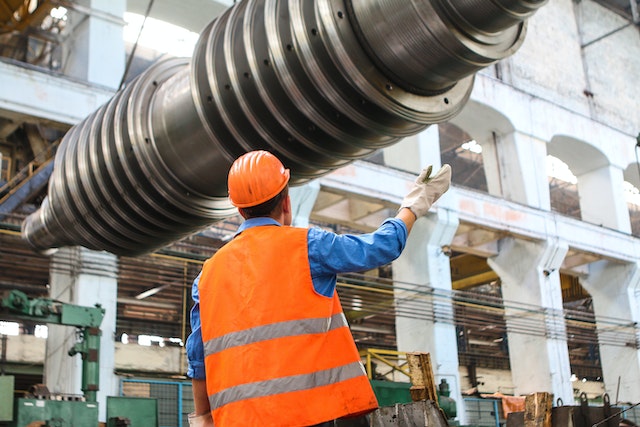
Some professionals have to work at night, particularly on roads. Therefore, they need to wear clothing that can be clearly seen by drivers to help avoid accidents and injuries. In these situations, high-visibility clothing is appropriate.
These garments are necessary for people who operate cranes and forklifts, work along roads and pipelines, and respond to emergencies.
5- Lowering the Cost of Maintenance and Laundering
Businesses that purchase work attire for their staff typically prefer clothing that is long-lasting and does not wear out too quickly. Additionally, the garments should be easy to repair and restore. Manufacturers of work attire should consider this feature when designing and producing apparel.
6- Maintaining Brand Identity and Style
Although the primary purpose of work attire is to safeguard the health and safety of the wearer, this does not justify disregarding the clothing’s aesthetic appeal.
First and foremost, the purchasing company may want to use attractive clothing to showcase its brand characteristics. Second, employees may enjoy wearing fashionable and distinctive work attire. Therefore, it is important to reflect the brand’s identity and maintain workers’ dignity through apparel design.
Since women may place greater emphasis on appearance and clothing design, this issue can be particularly significant when designing women’s workwear.
Women can choose attire that fits their figure while remaining functional and comfortable so that they are not restricted while working. One major manufacturer of work uniforms in the USA, for example, offers two models and two different cuts for each size based on waist and hip measurements.
In a sense, the stability and trustworthiness of a company can be reflected in how well-designed, attractive, and professional its work attire is. This is worth considering when selecting workwear for an organisation’s or company’s personnel.
People should consider what they wear at work to avoid sending conflicting messages to coworkers and customers. Work clothes, like regular clothes, communicate a message. Today, people often identify more strongly with their professional attire and uniforms.
7- Compatibility with Weather Conditions
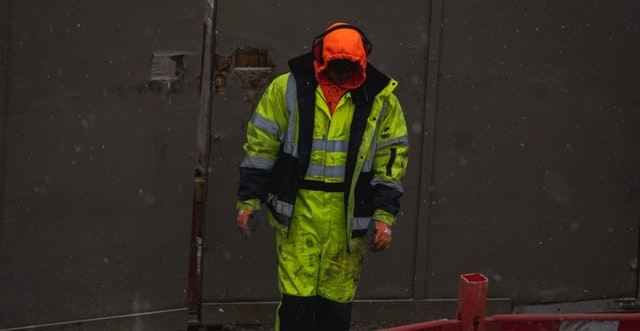
Employees work in different climates, temperatures, and humidity levels. Workwear manufacturers in North Africa should be aware that there are significant differences in fabric type and weight, garment construction, air circulation, waterproofing, colour, and other factors when designing and producing workwear for oil platforms in Dubai’s extremely hot and humid climate compared with clothing for municipal workers in London.
Observing Production Standards for Workwear
You probably already know that the European market is the primary export destination for North African companies that produce workwear.
In fact, many manufacturers produce their goods using imported high-quality raw materials and in accordance with European standards.
However, it is crucial for North African workwear producers that operate independently and under their own brands to comply with the strict European requirements governing the import of this type of product. Work attire must meet these requirements because it is directly related to employees’ health and safety.
What Materials Are Used to Produce Work Clothes?
- Nylon – Polyamide: The unique qualities and characteristics of nylon fibres, yarns, and fabrics make the material particularly suitable for durable and resilient workwear.Because of its excellent tensile strength and abrasion resistance, nylon can withstand extreme weather conditions and last for a very long time. Nylon is also easily recyclable and can be reintroduced into the production process. Work attire made from nylon and polyamide yarns is generally more expensive than many alternative materials.
- Polyester: An oil-based textile fibre that has experienced a significant rise in popularity, polyester has demonstrated its versatility across several industries. When combined with cotton or wool, polyester clothing can improve breathability while maintaining excellent abrasion resistance.
- Natural fibres: Although natural fibres are generally comfortable and more breathable than many synthetic fibres, they are often insufficient on their own to provide adequate worker protection. Natural fibres can therefore be blended with synthetic fibres in different ratios to achieve the required properties. After weaving, fabrics may also be treated with special protective finishes or coatings.
High-Performance Textiles
The development of high-performance fibres and yarns through advances in the textile industry and fibre research can play a crucial role in producing specialised workwear. For instance, static electricity on operators’ clothing in sensitive environments can create serious risks. Today, anti-static clothing can be produced using conductive yarns.
Cut-resistant yarns can also be used to manufacture gloves, trousers, and other garments for the metal industry and other environments where workers handle sharp objects.
The market for work attire is broad and continues to grow across several sectors. Workwear is an essential requirement for employers, particularly in European, American, and Canadian markets. As a result, North African producers of workwear can benefit from global innovation and technological developments in order to remain competitive in these important markets.
Tunisia is a North African country with strong exports to Europe. For instance, 95% of Tunisia’s exports in the workwear industry go to just six countries: France, Italy, Germany, Belgium, the Netherlands, and Spain.
The Best workwear Manufacturers in North Africa:
1. Mezrahikonfektion
 About: We are the leader of confection workwear in Tunisia. We are the company of professional sewing team and flexible services in the field of protective clothing and military garments. We are Mezrahi confection which lead its customers orders through its factory big manufacturer of workwear depending on 5 chains and 350 labore as well as technicians full of experience and sewing solutions.
We Have More Than 25+ Years of Practical Experience
Technicians team are with 25 years of experience lead more than 350 labors. our labours are polyvalent and professional and Our challenge is the quality, flexibility and competitive prices
General Contact Information
| Phone | +216 23 209 623 / +216 26 787 911 |
| Address | Sidi Rezig, Tunis, Tunisia |
| mezrahikonfektion@gmail.com | |
| Malta Office | Industry Ltd, Triq San Giljan, B’Kara, Malta BKR 2808 |
2. Vanheurck Workwear

About: Our Tunisian plants are managed from our offices in Belgium. Close cooperation with Tunisia and weekly transports ensure a smoothly running production process resulting in deliveries within the agreed timeframe.
VH N.V, a textile manufacturer founded in 1920, has been known for its quality and flexibility. Our goal and challenge is to keep our customers satisfied and to translate their wishes into high-grade professional garments. By using modern technologies and the highest quality materials, constant quality is always guaranteed.
Our sales team remains available to discuss your plans and tendencies in the market in order to convert your ideas in tailor-made developments. At your request, we create high-quality image garments. For personalizing your garments, we are your right partner, taking care of your logos (embroideries, transfers, prints, etc.).
Quality and service are our main assets and as such play a vital part in ensuring today’s success.
General Contact Information
| Phone | +32 3 321 21 05 |
| info@vanheurck.com |
3. Maco-Confection

About: The company MesjedAissa Confection “MACO” was created in 1990 and located at the Boulevard de l’environnement 5042 MesjedAissa in the governorate of Monastir with a registered capital of 250,000 Dinars distributed at the rate of 70% Belgian and 30% Tunisian.
The company MACO works in the field of the manufacture of technical articles and the production of professional work clothes and images 100% destined for export for all of Europe and with customers of international renown such as:
SAMSONITE: domestic manufacture of suitcases American company located in Belgium, world leader in baguagerie
HAVEP: Dutch customer in professional workwear
ITC: ALFREDO GRASSI Group Italian customer in workwear
SINUTEX: group BETANCOURT French customer in the workwear
MANUTTI: Belgian customer specializing in the manufacture of covers for outdoor salons with ultrasonic welding
GERACI: French customer in work clothes for DIY stores: BRICOT DEPOT in Europe
PROTECOP: French customer in the manufacture of protective articles for police
IS3: Belgian customer in workwear images and covers for automotive paint robots
General Contact Information
| Phone | (+216) 73 42 23 88 / (+216) 73 42 23 90 |
| Address | Boulevard de l’Environnement, 5042 Mesjed Aïssa, Monastir, Tunisia |
| contact@maco-confection.net | |
| Website | www.maco-confection.com |
4. Gara Confection

About: Founded in 1986 by Mr Mohamed Gara, Gara Confection Group specialises in the manufacture of military clothing and workwear.
The group’s structure was strengthened in 2003 by Mr Chekib Gara, who holds a master’s degree in international trade from the European Institute of Advanced International Studies, and in 2008 by Mr Naoufel Gara, a textile engineer from the Niederrhein Graduate School in Mönchengladbach, Germany.
General Contact Information
| Phone | +216 73 687 774 |
| Address | Habib Thameur Road, 5121 Rajiche, Mahdia, Tunisia |
| chekib@garaconfection.com | |
| Website | www.garaconfection.com |
5. Mustang Workwear
About: Mustang Workwear has more than 28 years of experience manufacturing workwear adapted to the needs of many sectors, including industry, construction, and skilled trades.
We work closely with our customers in product development, and our solutions are tailored to the requirements of everyday workwear users.
Our products are designed and developed in our factory in Morocco. More than ten permanent specialists work in our product development and design department to respond to customer requirements.
Eight production lines, four workshops, and more than 400 highly qualified seamstresses help ensure our high-quality standards and enable us to ship special orders quickly to our customers.
Mustang Workwear is a partner of many European companies. Our commitment has enabled us to build relationships of trust with customers in France, Belgium, Germany, and the United Kingdom.
For more Moroccan garment and workwear manufacturers, see Kohan Textile Journal’s Morocco Textile Manufacturing Hub.
General Contact Information
| Phone | +212 5 22 72 64 66 |
| Address | Zone Industrielle Ben M’Sick Lot 90, Sidi Othmane, Casablanca, Morocco |
| infos@mustang.ma | |
| Website | www.mustang-workwear.com |
6. TM Fashion Factory and Hotel Supplies

About: TM Fashion Factory & Hotel Supplies is one of the leading hospitality uniform and linen manufacturers in the Middle East.
Since 1984, we have specialised in uniforms and linen, supporting our business partners with high-quality fabrics to meet the requirements of the hospitality industry, including uniforms, bedding, towels, and tablecloths.
We provide a wide variety of uniforms for hotels, restaurants, medical facilities, schools, industrial companies, corporate environments, spas, security organisations, and safety applications. We also produce a wide range of T-shirts.
In addition to uniforms, we manufacture a broad range of bed linen made from premium Egyptian cotton, ranging from 144 TC to 1000 TC in plain, stripe, or jacquard constructions, as well as customised designs.
For years, we have provided state-of-the-art services and products to our strong global business network in the USA, Italy, the United Kingdom, Germany, Spain, Belgium, Morocco, Libya, Sudan, Tunisia, Uganda, Kenya, Guinea, Türkiye, Jordan, and GCC countries.
Today, TM Uniform & Linen is a trendsetting brand providing fine linen and workwear to hospitality partners and destinations around the world.
General Contact Information
| Phone | +2 01068813000 |
| Address | King Faisal St., El Kom El Akhdar Station, End of Aly Shiha St., Haram, Giza, Egypt |
| Marketing@tmuniform.com | |
| Website | www.tmuniform.com |
| Saudi Arabia Phone | +966 540013531 |
| Saudi Arabia Address | Southern Industrial Zone – El Khomra, Jeddah – KSA |
| Saudi Arabia Email | Saudi@tmuniform.com |
7. Vestra Manufacturing
About: Vestra Manufacturing is a workwear garment factory based in Sidi Bou Ali, Sousse, Tunisia. Founded in 2022, the company produces garments for European workwear brands and operates through both CMT and full-package manufacturing models.
The company operates a 2,400 m² production site with six production lines, one collection line, and approximately 300 machines.
Its product range includes coveralls, work jackets and shirts, work trousers and bib overalls, quilted bodywarmers, medical tunics and work coats, and high-visibility garments.
General Contact Information
| Phone | +216 70 295 899 |
| Address | Route de Tunis, 4040 Sidi Bou Ali, Sousse, Tunisia |
| commercial@vestratextile.com | |
| Website | www.vestratextile.com |
If you have a workwear manufacturing company, you can add your company in the comment box below.










Ci interessano produttori di abbigliamento per le forze dell’ordine italiane-europee
Thank you for your message, Mr. Ghinzani. Please share more details here in the comments about the specific products, requirements and manufacturers you are looking for, so relevant suppliers and manufacturers can better understand your needs and connect with you directly.
At the same time we suggest you review the link : https://kohantextilejournal.com/?s=workwear
Hello, we would like Vestra Manufacturing to be added to this list.
Vestra Manufacturing is a workwear garment factory in Sidi Bou Ali, Sousse, Tunisia, founded in 2022 and producing for European workwear brands. CMT and full package. 2,400 m2 site, 6 production lines, 1 sample line, 300 machines.
Products: coveralls, work jackets and shirts, work trousers and bib overalls, quilted bodywarmers, medical tunics and work coats, high visibility garments.
Address: Route de Tunis, 4040 Sidi Bou Ali, Sousse, Tunisia
Phone: +216 70 295 899
Email: commercial@vestratextile.com
Website: https://www.vestratextile.com
Thank you.