Shaping the Future of Swimwear with Sustainable Materials
Speedo, the world’s leading swimwear brand, has unveiled its new Ocean Flex swimwear range, made with Hyosung TNC’s innovative recycled textile technology. The launch highlights Speedo’s commitment to reducing environmental impact while delivering high-performance products for swimmers worldwide.
The Ocean Flex fabric combines an 80/20 blend of Hyosung TNC’s regen™ Ocean nylon, produced from discarded fishing nets, and regen™ Spandex, both certified under the GRS (Global Recycled Standard) and RCS (Recycled Claim Standard).
Environmental Impact and Innovation
Cutting Carbon Emissions with Recycled Nylon
According to an independent Life Cycle Assessment (LCA), manufacturing 1 kg of regen™ Ocean nylon reduces CO2 emissions by 51% compared to conventional nylon. This breakthrough demonstrates how recycled textiles can significantly lower the fashion industry’s environmental footprint while maintaining quality and durability.
Hyosung TNC, in partnership with mill innovator Hung Yen, first introduced this fabric in 2024. Since then, it has attracted leading global swimwear brands eager to align with sustainability goals.
Laura Nilo, Hyosung US Marketing Manager – West Coast Lead, expressed pride in the collaboration: “We’ve long valued our partnership with Speedo and are proud that such an iconic brand – synonymous with swim and committed to protecting our waters – has chosen our certified recycled textile innovation for its Ocean Flex swimwear range.”
Ocean Flex Collection Details
Performance Meets Eco-Friendly Design
Speedo’s Ocean Flex swimwear is part of its Open Water collection, specifically designed for outdoor swimming. The range includes:
- Women’s one-piece swimsuit
- Long sleeve zip-back one-piece swimsuit
- Racer-back crop top
- Boyleg bottom
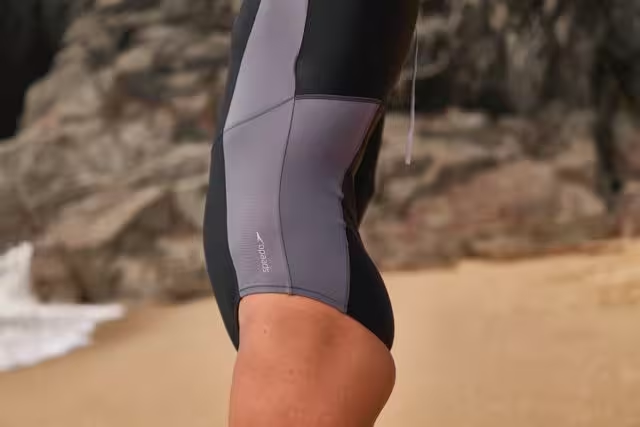
The designs feature sleek black and dark gray color-block styling, balancing performance, comfort, and sustainability.
With Ocean Flex, Speedo reinforces its mission to inspire people to swim while addressing the urgent need for lower-impact material solutions that protect the world’s waters.