Interview with Mr. Xheni (Eugen) Matuka / Ceo at Stella
About STELLA company history and its success story in the textile and apparel sector:
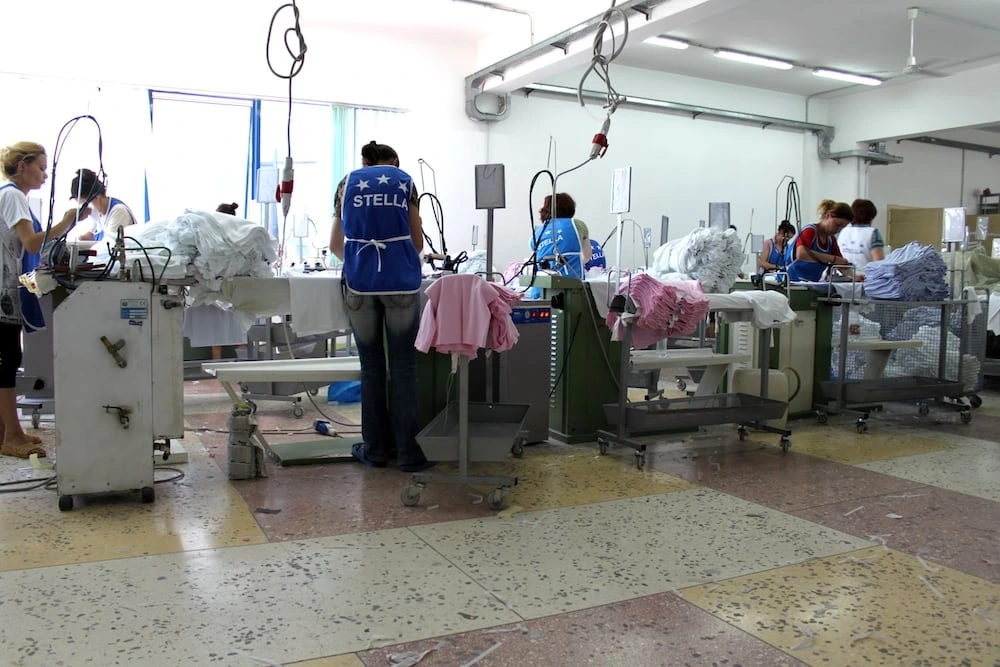
Stella company was Started in 1995, by two Italian businessmen and an Albanian businessman with the purpose of producing Underwear garments initially for the Italian market, with a small group of 20 employees.
In 1997 when in Albania a civil war happened, the owners didn`t believe any longer to this project anymore and sold the company to an Albanian businessman Mr. Matuka. Since then Stella company is a family-owned business and continuously growing offering underwear garments to EU markets. Nowadays with 3 factories and 250 employees.
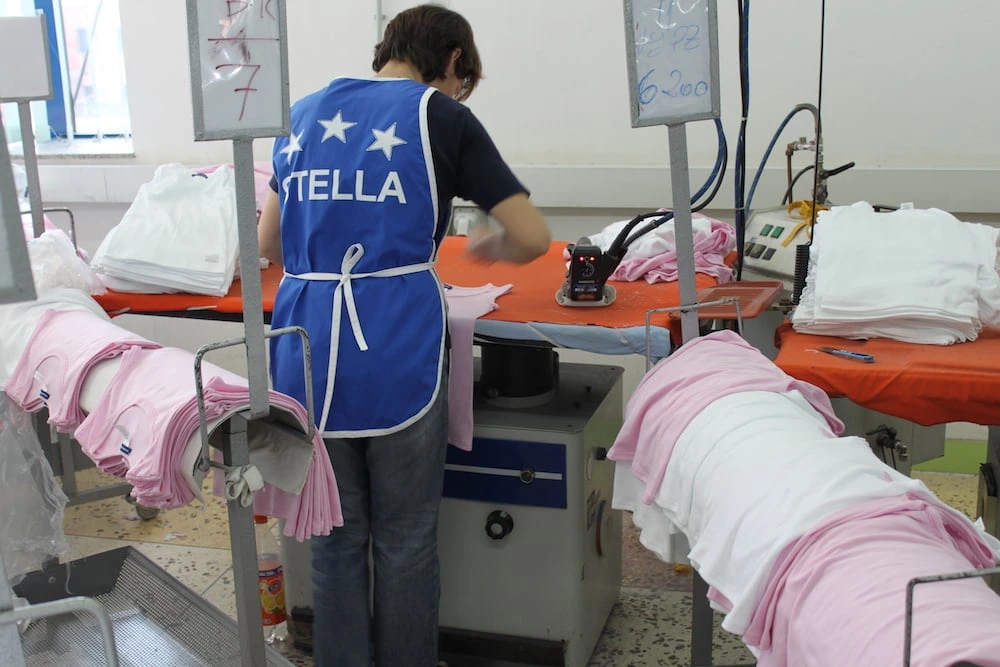
STELLA’s range of products mainly is comfortable underwear, daywear, nightwear, and Sportswear for all genders.
How do you evaluate the textile and apparel sector in Albania?
The textile and apparel sector is the sector that employs more than 70% of the workforce population, basically is the main sector of developing the country based on the people who are employed.
Albania state has developed state schools and also A Textile University for Textile Engineers. Mainly Albania is a part of the European textile and Apparel cluster, it means that the material and accessories elaborated in Albania mostly come from European countries.
After the Pandemic even Albania like all the countries in the world is struggling for new workforce in the Textile industry, for that reason Albania has created a Cluster of producer companies with the purpose of producing high-quality all types of garments.
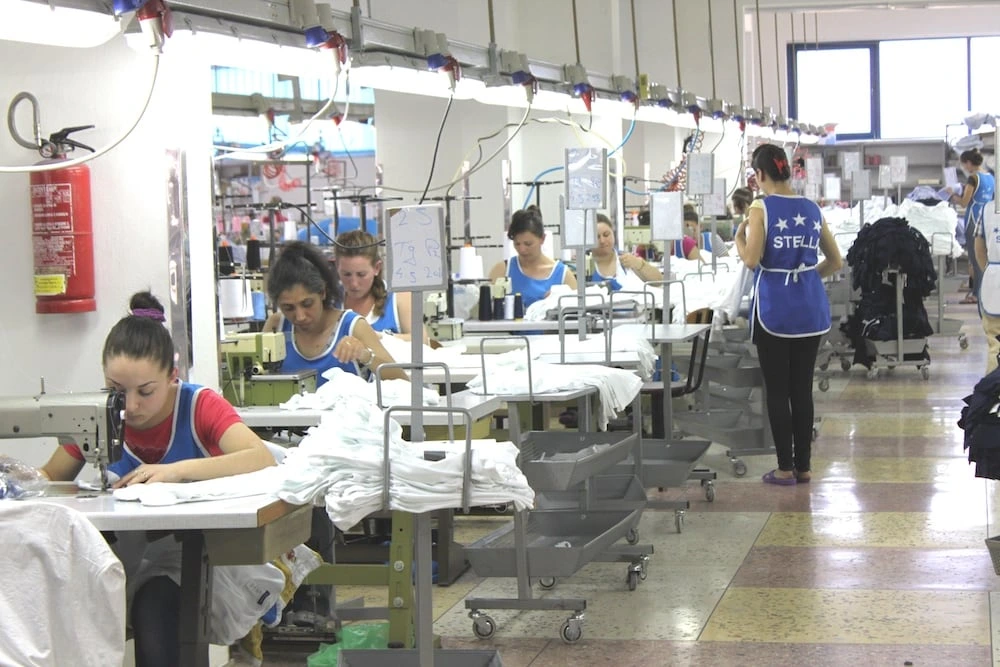
Here are some key points about the Albanian Textile and Apparel:
Textile and Apparel Production: Albania has a history of textile and apparel production, and this sector has been gaining momentum in recent years. The country is involved in the production of a wide range of textile products, including clothing, fabrics, and accessories.
Labor Force: Albania has a relatively skilled and competitive labor force, making it an attractive destination for textile and apparel manufacturers looking to reduce production costs while maintaining quality.
Export-Oriented Industry: The textile and apparel sector in Albania is primarily export-oriented. Albanian manufacturers export their products to European Union countries, including Italy, Germany, and Greece, as well as other international markets.
Foreign investors, particularly from Italy and other European countries, have shown interest in the Albanian textile and apparel industry. These investments have contributed to the sector’s growth and modernization.
Competitive Advantage: Albania’s strategic location in Europe, relatively low labor costs, and duty-free access to European markets (due to its Generalized System of Preferences status) provide a competitive advantage for the textile and apparel sector.
Albania has been increasingly involved in the production of fashion items, including clothing, footwear, and accessories. Some Albanian companies have established themselves as reliable suppliers for well-known fashion brands.
Challenges: Despite its potential, the sector faces challenges such as the need for further infrastructure development, improved regulatory frameworks, and efforts to meet environmental and labor standards to remain competitive in international markets.
Government Initiatives: The Albanian government has expressed interest in promoting and supporting the textile and apparel industry as part of its economic development strategy. This includes initiatives to attract foreign investment and improve infrastructure.
How many per cent of your products are exported to international markets and how many per cent are used in the local market? Where are your main export destinations and countries?
Usually Stella company exports 100% to international markets, but it depends mostly on market volatility, now the International market has increased the request so we export 100% mainly to EU Countries.
Where do you see STELLA in 5 years?
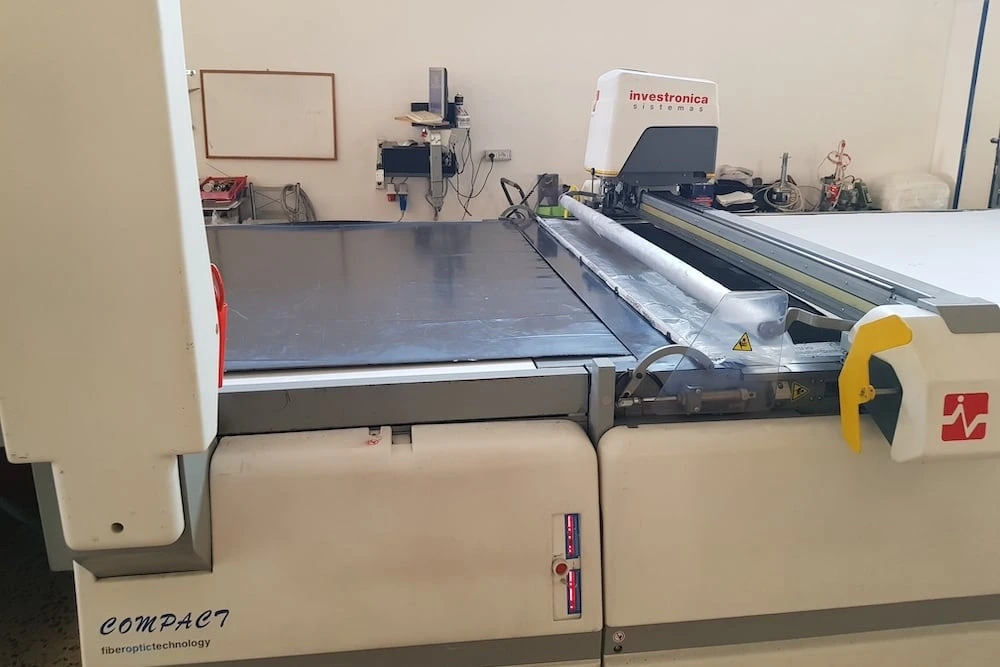
There are different directions where we think to develop the company, the two mains are High-quality products and the Automatizations of producing processes the textile in the same time other types of projects that Stella company is working on is Solar energy producing and real estate industrial Buildings.
Lately, Stella company bought 30,000 square meters of different industrial buildings with 60,000 square meters of esplanade and roads to facilitate the Industrial Buildings.
Sustainability and recycling an important subjects for textile manufacturers and end users all around the world, What is the STELLA sustainability policy, and what did you do for this?
Sustainability and recycling are important subjects for STELLA company, our company is OEKO-TEX certified. We recycle plastic packaging cartoon packaging and paper based on a contract with recycling companies, The new transport vehicles that we have bought are with LPG fuel, and more than 80% of energy consumed for producing processes comes from Our Photovoltaic solar plant. Also, we applied a “Green policy” and we have planted 180 new plants per year in our company around the buildings.
STELLA company is an OEKO-TEX-certified company and we believe in our values of standards.
How do you evaluate the apparel sector in Europe?
I think that the apparel sector in Europe is growing with the new approach of more quality products, more sustainable, and more comfortable than fashion apparel!
Well, Albania until now has been developed only in factories CMT, With the new market trends and new technologies Albania has a good opportunity to develop the vertical chain in Textile, producing fabric material, coloring and treating the fabric, and not producing and dyeing the threads.