






Advanced Textile Machinery: Revolutionizing the Textile Industry
The textile industry has undergone significant transformations over the years, with Advanced textile machinery playing a pivotal role in increasing efficiency, reducing production time, and improving product quality. Innovations in textile machinery have enabled manufacturers to meet the growing demands of the global market while maintaining high standards of precision and sustainability.
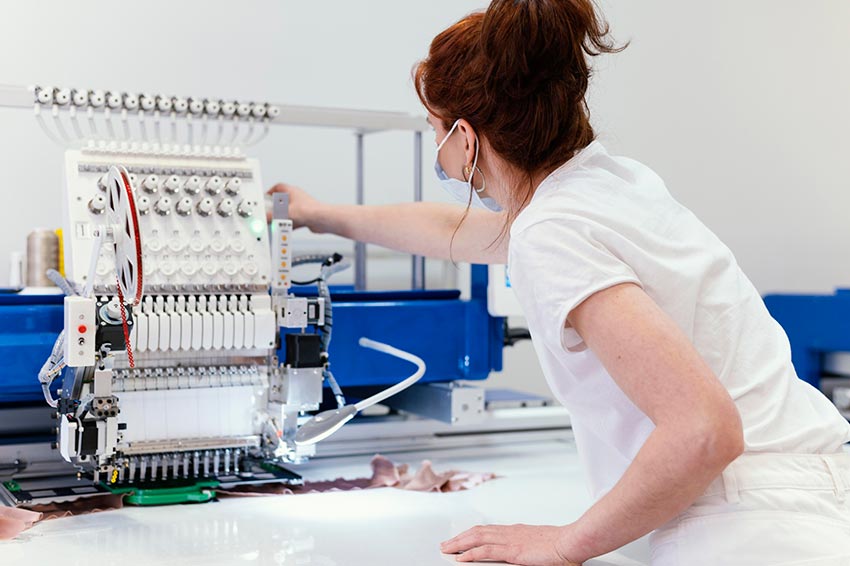
Advanced textile machinery incorporates cutting-edge technology such as automation, artificial intelligence (AI), and the Internet of Things (IoT) to streamline various processes, from spinning and weaving to dyeing and finishing. These advancements have led to improved production capabilities, lower operational costs, and enhanced product customization.
The textile industry is one of the largest sectors in the world, contributing significantly to employment and economic growth. With the rapid advancement of technology, traditional methods of textile production are being replaced by state-of-the-art machines that enhance productivity and ensure sustainability. Advanced textile machinery allows manufacturers to meet consumer demands with increased efficiency and minimal environmental impact.
In this article, we will explore various types of Advanced textile machinery, their benefits, the latest technological innovations, and their impact on the textile industry. Furthermore, we will discuss the role of automation, digitalization, and sustainability in shaping the future of textile manufacturing.
more:What is Rotascreen.TG Printing Technology?
Types of Advanced Textile Machinery
- Spinning Machinery
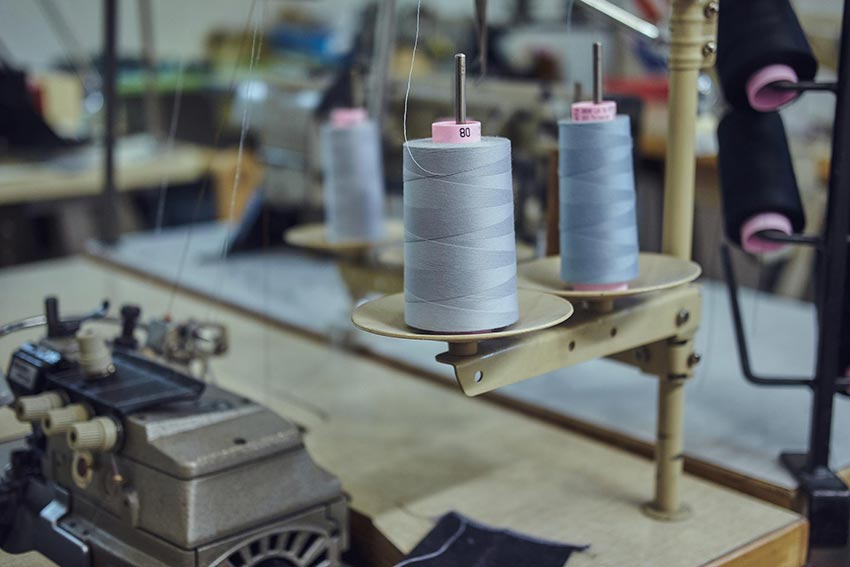
- Modern spinning machines are designed to enhance yarn quality and production efficiency.
- Ring spinning, rotor spinning, and air-jet spinning are popular techniques utilized in advanced machines.
- Weaving Machinery
- Innovations such as rapier looms, projectile looms, and air-jet looms have revolutionized fabric production.
- These machines offer increased speed, precision, and flexibility in fabric design.
- Knitting Machinery
- Advanced circular and flat knitting machines enhance fabric production for garments, sportswear, and medical textiles.
- Computerized knitting machines allow for intricate patterns and designs.
- Dyeing and Finishing Machinery
- New technologies in dyeing and finishing reduce water consumption and minimize environmental impact.
- Digital printing and plasma finishing techniques enhance fabric aesthetics and durability.
- Nonwoven and Technical Textile Machinery
- Advanced nonwoven machinery is crucial for producing medical textiles, automotive fabrics, and geotextiles.
- These machines integrate high-tech processes to create durable and high-performance textiles.
The Role of Automation in Textile Machinery
Automation has significantly impacted the textile industry by increasing production efficiency and minimizing human intervention. Robotics, AI, and IoT have transformed textile machinery, allowing manufacturers to monitor processes remotely and make real-time adjustments. Automated systems help reduce material waste, improve consistency, and enhance worker safety.
Sustainability in Advanced Textile Machinery
Sustainability is a key focus in modern textile production. New machinery is designed to reduce water and energy consumption while using eco-friendly dyes and sustainable materials. The implementation of closed-loop production systems and biodegradable fabrics ensures minimal environmental impact.
Future Trends in Advanced Textile Machinery
- Smart Textiles and Wearables
- The integration of electronics into textiles is gaining traction, leading to innovations in smart clothing and medical textiles.
- 3D Knitting and Printing
- 3D knitting and digital printing techniques offer new possibilities for fabric design and customization.
- AI-Driven Quality Control
- AI-powered sensors and cameras improve defect detection and maintain high-quality standards.
Kohan Textile Journal: Your Trusted Source for Textile Industry Updates
For professionals and businesses seeking the latest insights into the textile industry, Kohan Textile Journal is a leading media platform providing in-depth analysis and updates on Advanced textile machinery, textile products, and synthetic fibers. With a strong focus on industry trends, technological advancements, and sustainability, Kohan Textile Journal is a valuable resource for manufacturers, suppliers, and industry experts worldwide.
Frequently Asked Questions (FAQs)
1. What are the benefits of Advanced Textile Machinery?
Advanced textile machinery offers several advantages, including:
- Increased Efficiency: Faster production speeds and reduced manual labor lead to higher output.
- Improved Precision: Automation and digital controls enhance accuracy, reducing defects and material waste.
- Cost Reduction: Lower operational costs due to energy-efficient designs and optimized resource usage.
- Enhanced Customization: Technologies like digital printing and automated knitting allow for more flexible and intricate designs.
- Better Quality Control: Real-time monitoring and AI-driven systems ensure consistent product quality.
2. How does automation impact textile production?
Automation transforms textile production by:
- Reducing Labor Dependency: Robotics and AI replace manual processes, lowering labor costs and improving safety.
- Speeding Up Production: Automated machines operate continuously with minimal downtime.
- Enhancing Accuracy: AI-powered sensors detect and correct defects in real-time.
- Sustainable Practices: Automated systems optimize energy and material use, reducing waste and environmental impact.
- Smart Manufacturing: IoT and Industry 4.0 technologies enable real-time data analysis for better decision-making.
3. What are the latest innovations in textile machinery?
Some of the most recent advancements in textile machinery include:
- 3D Knitting & Weaving: Machines that create seamless garments and technical textiles with minimal waste.
- AI & IoT Integration: Smart textiles with embedded sensors for adaptive manufacturing and predictive maintenance.
- Sustainable Dyeing Technologies: Waterless dyeing methods, such as CO₂ dyeing, reduce water consumption.
- Automated Cutting & Sewing: Laser-guided systems enhance precision while reducing fabric waste.
- Digital Printing: High-speed, eco-friendly printing methods offer customized, detailed fabric designs.
4. How does Advanced Textile Machinery contribute to sustainability?
Advanced textile machinery plays a crucial role in sustainability by:
- Reducing Waste: Precision cutting, automated weaving, and digital printing minimize fabric scraps.
- Lowering Water & Energy Consumption: Technologies like waterless dyeing and energy-efficient spinning reduce environmental impact.
- Using Recycled Materials: Modern machines can efficiently process recycled fibers, promoting a circular economy.
- Eco-Friendly Production Processes: AI-driven monitoring optimizes material use, reducing pollutants and emissions.
- Smart Manufacturing: Real-time data analytics improve resource management, enhancing sustainability efforts.
5. Where can I stay updated on textile machinery advancements?
To stay informed about the latest developments in textile machinery, you can follow:
- Industry Publications: Websites like Textile World, Innovation in Textiles, and Technical Textiles International.
- Trade Shows & Conferences: Events such as ITMA (International Textile Machinery Exhibition) and Techtextil.
- Manufacturer Websites: Leading brands like Rieter, Saurer, and Picanol often publish updates on their latest innovations.
- Research Journals: Academic sources like Textile Research Journal and Journal of Engineered Fibers and Fabrics.
- Online Forums & Social Media: Platforms like LinkedIn groups, Reddit’s textile engineering community, and YouTube channels dedicated to textile technology.
By embracing Advanced textile machinery, the textile industry is poised for a more efficient, sustainable, and innovative future.












This is an insightful read on advanced textile machinery and its impact on the industry! The latest innovations in textile technology are revolutionizing manufacturing, enhancing efficiency, and improving fabric quality. As a uniform manufacturer, we understand the importance of high-quality textile production in creating durable, comfortable, and professional uniforms for various industries. Advanced machinery plays a crucial role in ensuring precision, sustainability, and scalability in uniform manufacturing. Looking forward to more updates on cutting-edge developments in the textile sector!